
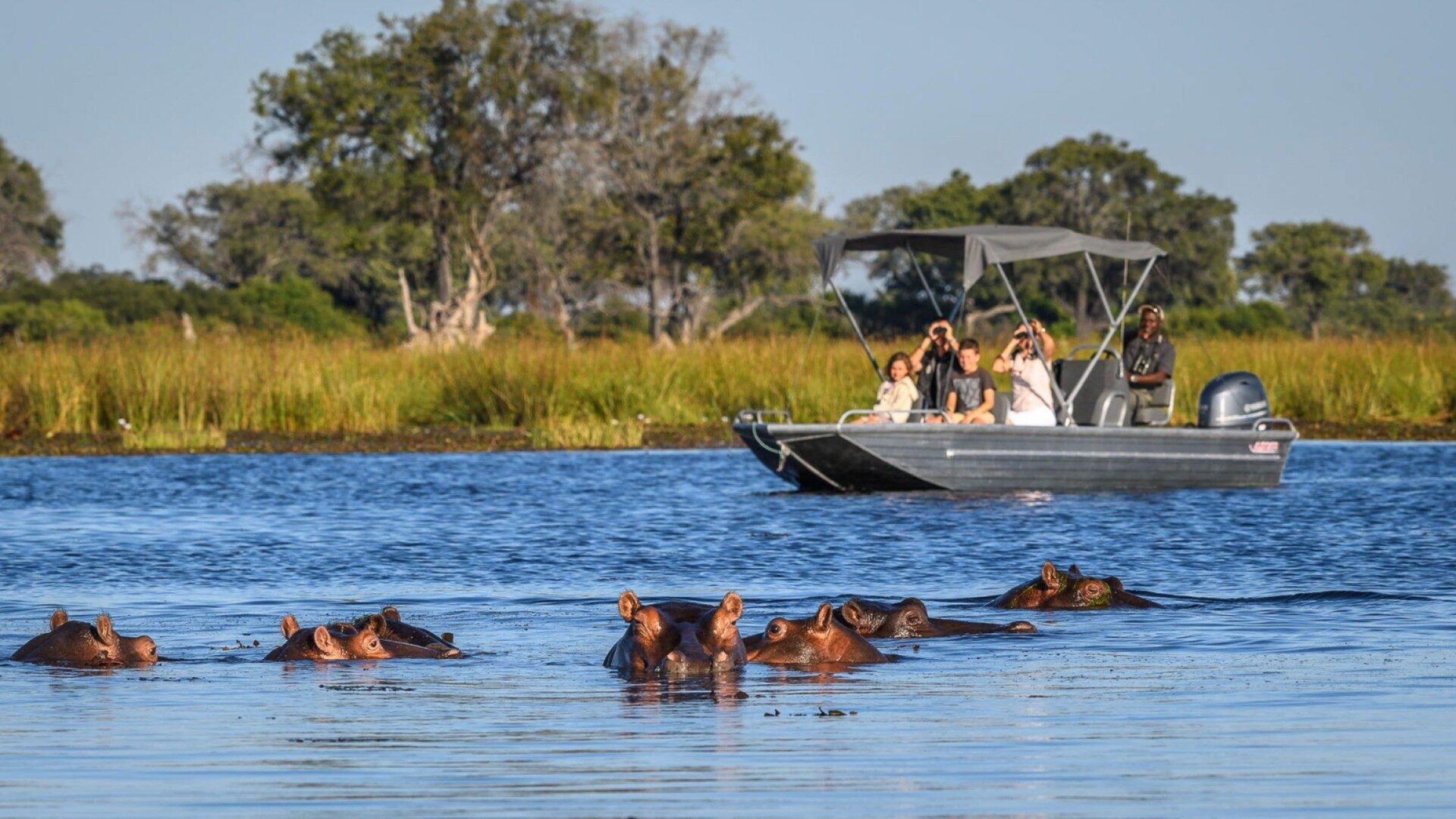
Botswana protects its wilderness on purpose.
Low volume. High cost. Deliberately. Botswana made a decision decades ago to keep tourist numbers small and wild places wild. The result is the most exclusive, most pristine safari destination on the continent, and one of the most profoundly moving experiences I know for families who are ready for it.
The most exclusive safari destination in Africa.
The government in Botswana has built its entire tourism model around low volume and high value, restricting the number of visitors to protect the ecosystem. The result is an experience that is categorically different from anywhere else in Africa. In the delta there are no roads between camps (so options are flying by small plane or helicopter), no crowds just pure wilderness. Just your family, your guide, and one of the most biodiverse wildernesses on the planet.
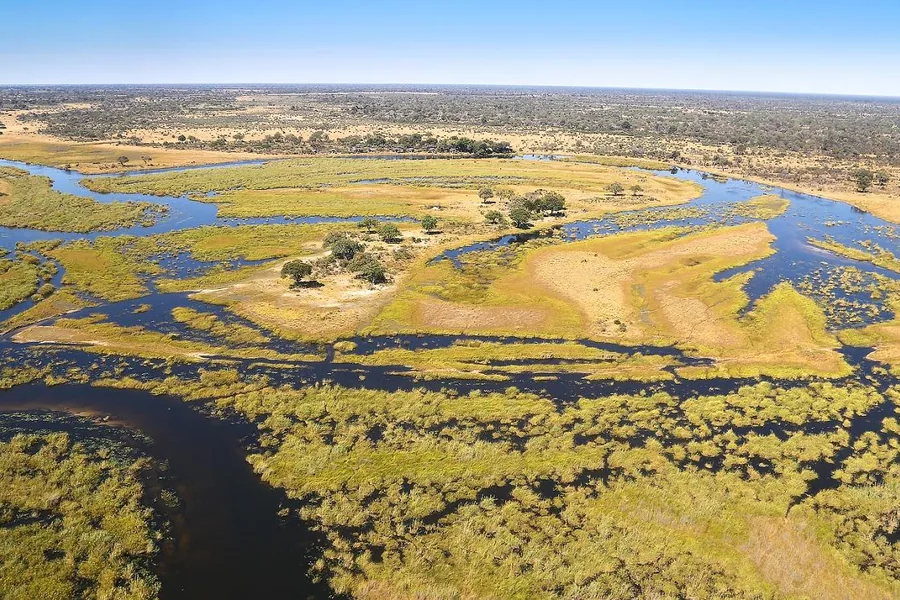
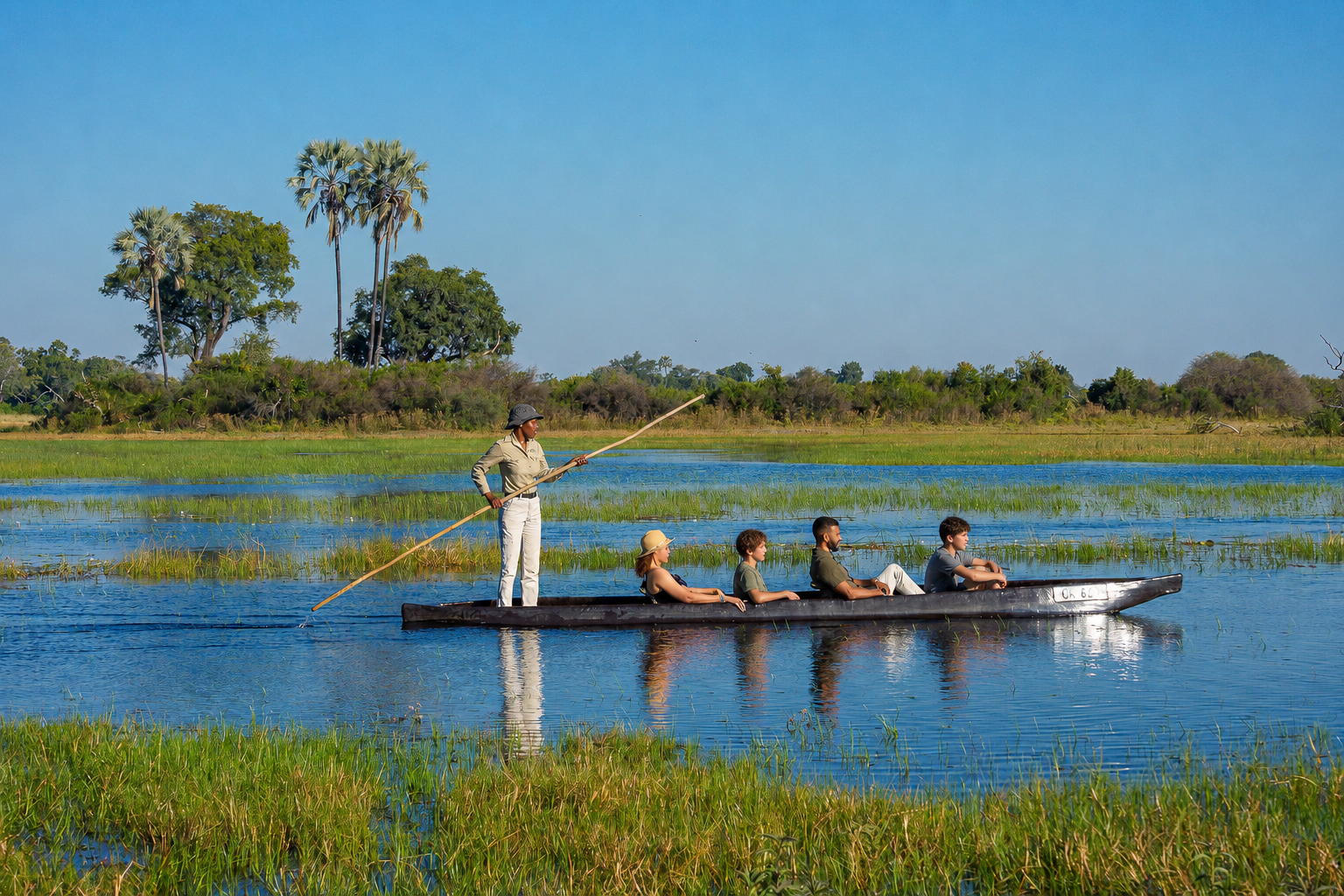
The Okavango Delta is the world's largest inland delta, flooded each year by Angolan rains, and an extraordinary natural phenomenon. A vast mosaic of permanent lagoons, seasonal floodplains, and islands teeming with elephants, buffalo, wild dog, lion, and leopard. Getting around it by mokoro canoe, on foot, and by small bush plane is an experience nothing else replicates.
Botswana's key regions.
Each region of Botswana is distinct: different ecosystems, different wildlife, different experiences. Most families combine two or three, moving by light aircraft.
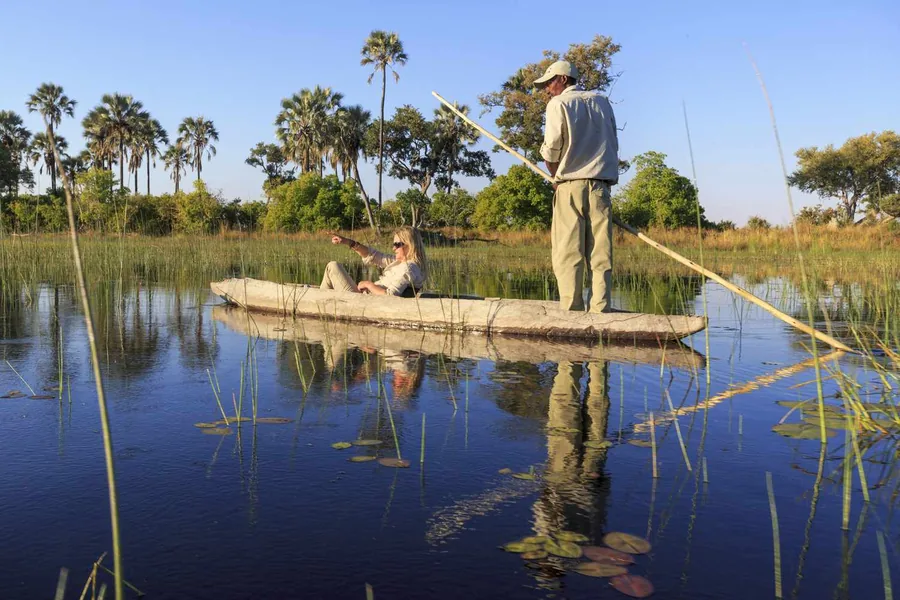
The crown jewel, and one of the natural wonders of the world. Every year, floodwaters from Angola's highlands travel 1,200 kilometres to fan out across the Kalahari, creating a vast mosaic of channels, lagoons, palm islands, and floodplains that teem with life. Moving through the Delta by mokoro canoe, poled silently through lily-covered waterways within touching distance of hippos and elephants, is unlike any other safari activity in Africa. Moremi Game Reserve, occupying the eastern Delta, has some of the finest wildlife concentration I've encountered anywhere.
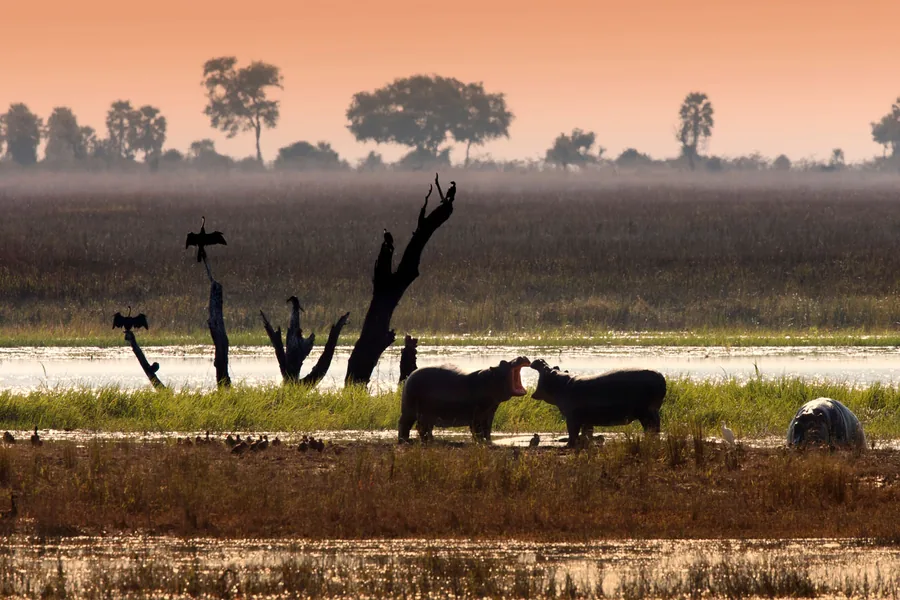
Chobe has the highest concentration of elephants on earth. Estimates put the population at over 130,000 animals, and at the river in the dry season, the scenes are extraordinary. Hundreds of elephants crossing, swimming, and drinking along the Chobe River, with hippos, crocodiles, and hundreds of bird species alongside them. The river safari by boat at sunset is one of those experiences that requires no superlatives. Well-positioned for a day trip from Victoria Falls.
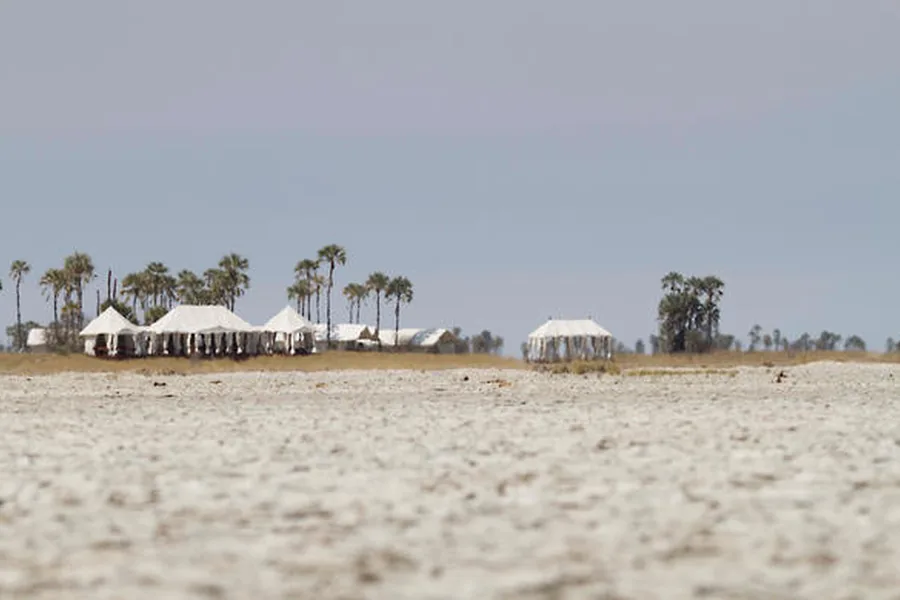
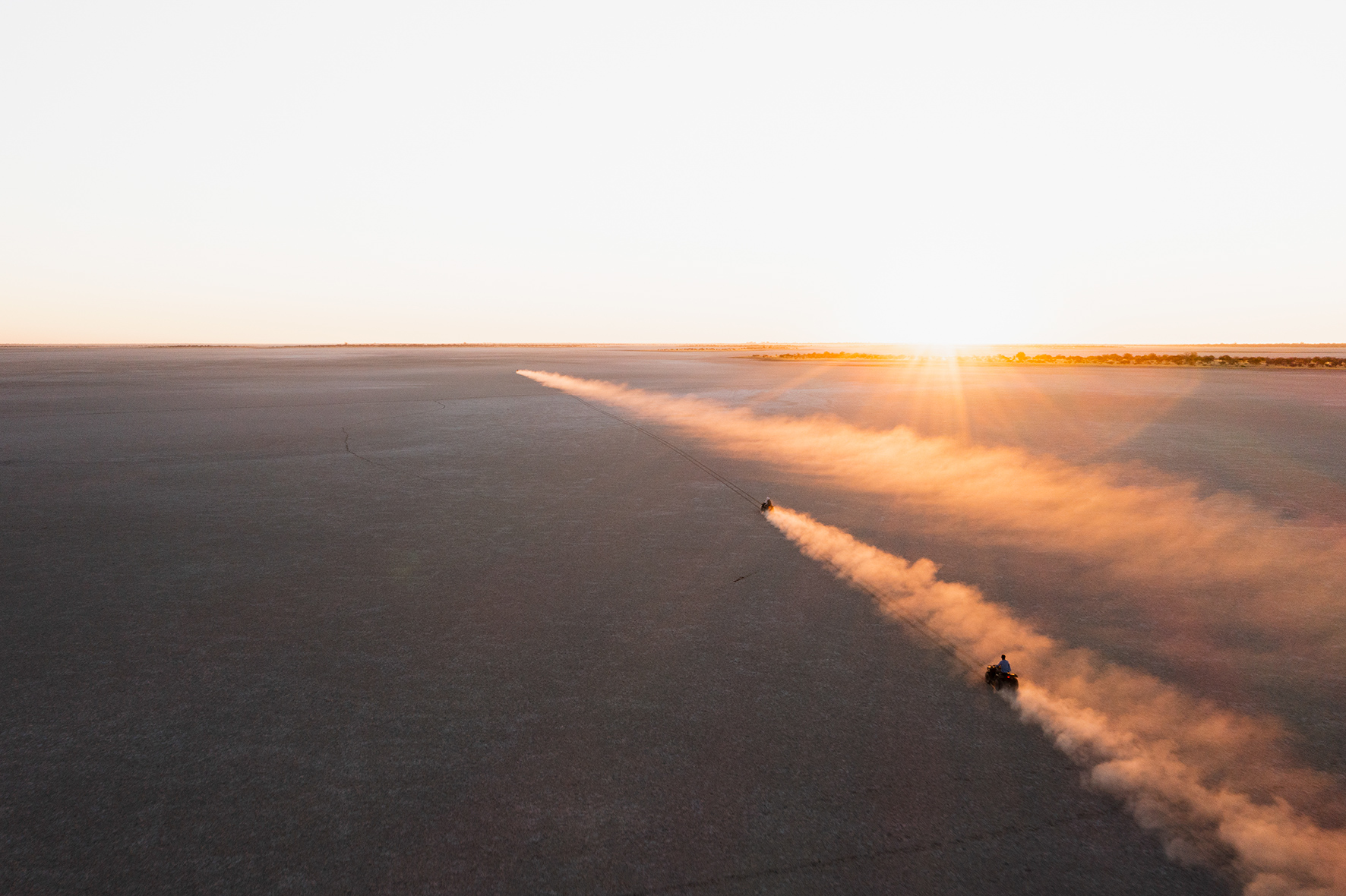
One of the most otherworldly landscapes in Africa: vast ancient lake beds, now salt-crusted and empty, stretching to a horizon so flat the curvature of the earth becomes visible. In the dry season the pans are surreal and silent; in the wet season (November to March) the rains bring zebra and wildebeest migrations, flamingos, and extraordinary contrast. Sleeping on the pans under the Milky Way is among the most humbling experiences I know.
Two private concession areas in northern Botswana that consistently produce some of the finest wildlife sightings on the continent, particularly for predators. African wild dog are regularly encountered here, alongside lion, leopard, cheetah, and vast elephant herds. The concessions are exclusively operated: a handful of camps share vast areas of pristine wilderness, meaning game drive exclusivity that the Okavango's more popular areas can't always match.
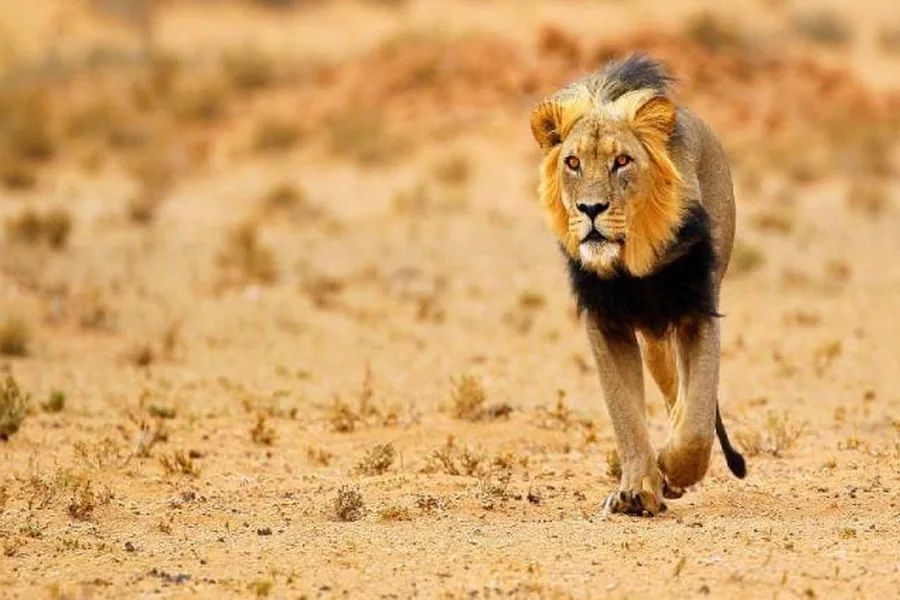
The second largest game reserve in the world: a vast semi-arid wilderness that is home to the San Bushmen, the world's oldest human culture, as well as black-maned Kalahari lions, brown hyena, cheetah, and massive gemsbok herds. For families who want real remoteness and deeper cultural experience alongside the wildlife. Not a beginner's destination, but the reward is a sense of wilderness even the Okavango cannot replicate.
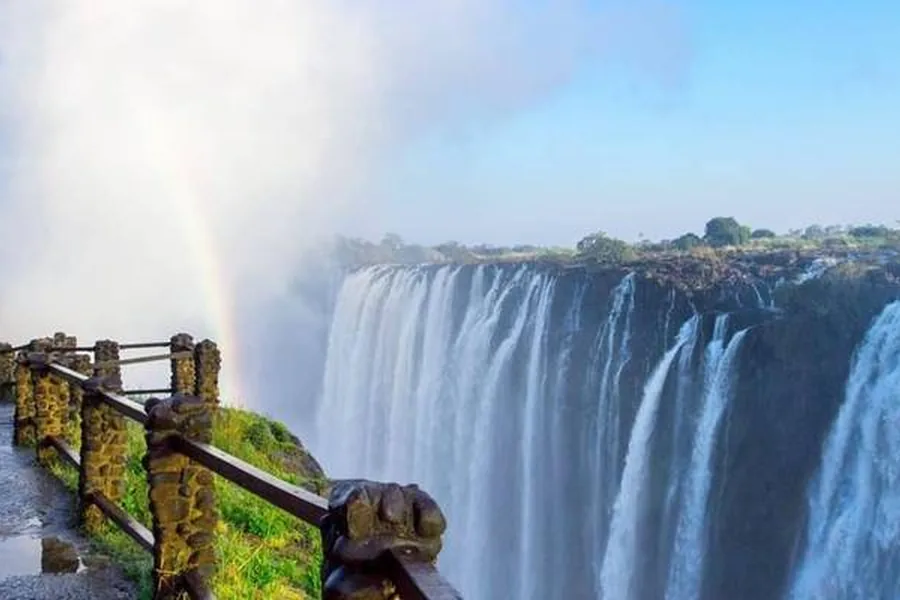
Kasane, Botswana's northern gateway on the Zimbabwe border, is perfectly positioned for combining Chobe with Victoria Falls. The Falls are technically in Zimbabwe and Zambia, but Kasane is the closest international airport, making the crossing simple. Most families I design Botswana itineraries for spend one or two nights at the Falls as a finale. The sheer scale and sound at peak flow is one of those experiences that families with children simply must have.
Botswana by season.
Botswana's seasons are dramatic and distinct, and the right timing changes the experience substantially. Here's how I think about it for families.
The Okavango Delta is at maximum flood, with channels navigable by mokoro and wildlife concentrated. Chobe elephants crowd the river. Dry, warm days and cool nights. The single best window for first-time Botswana families.
The transition from green to dry: the Delta is beginning to flood, vegetation is thinning and wildlife easier to spot, and peak prices haven't kicked in. One of my preferred windows for families who want quality without the July and August premium.
Botswana's transformation: the rains turn the Kalahari vivid green, migratory birds arrive, and the Makgadikgadi fills with zebra, wildebeest, and flamingos. Rates drop significantly. Wildlife is harder to find through lush vegetation, but the landscape is stunning.
The height of the rains: some tracks become impassable, some camps close, and the heat is intense. Not for first Botswana visits with children. However, the Makgadikgadi zebra migration (January to March) is spectacular for families specifically targeting it.
Botswana Inspiration
Itineraries I have developed for others to give you some inspiration. Each journey is built from scratch tailored around each family.
Botswana for Young Explorers
Desert, Delta & River: A Botswana Family Adventure
Botswana and Mozambique safari and beach
12 nights best of safari and beach bliss
A true desert and delta adventure with teens
Salt pans and a mobile tented camp in Botswana
What I tell families planning a trip to Botswana.
Is Botswana right for your family right now?
I'm straight with families about this. Botswana is extraordinary, but it's not the right first Africa destination for most, and it's not right for under-7s. The remoteness, the cost, and the more subtle wildlife encounters mean it rewards experience and patience. If you haven't done Africa before, start elsewhere and return to Botswana when you're ready.
Light aircraft transfers are part of the experience
Most Delta camps are accessible only by small light aircraft: 5 to 12 seaters, flying low over the wetlands. Children find this thrilling. Luggage is strictly limited (usually 15kg per person in a soft bag). I send every family a packing list well in advance.
The mokoro canoe: what to expect with children
A mokoro is a traditional dugout canoe, poled through the Delta's shallower channels by a local guide. Silent, intimate, and very close to the waterline. Children must be calm and quiet (most are, from sheer wonder). I'd recommend it for children aged 7 and above. Consistently the highlight of the trip.
Book 12-18 months ahead for peak season
Botswana has fewer beds than any major safari destination in Africa, by design. In peak season (July to October), the best camps sell out 12 to 18 months in advance. If you're thinking about next summer, the conversation needs to happen now.
Combine with Zimbabwe for the complete experience
Botswana and Zimbabwe sit side by side, and the combination of the Delta, Chobe and Victoria Falls in a single trip is one of the great southern Africa itineraries. The contrast of raw, immense natural power after days of silence and subtlety is dramatic.
The green season is worth considering
Most families default to peak season. But the green season (Nov to April) has a compelling case: rates drop significantly, visitor numbers fall to almost nothing, the landscape transforms into vivid green, and the birdlife is extraordinary. Wildlife is harder to spot but encounters are often more remarkable when they happen.
Ready to start planning your family adventure to Botswana?
Tell me about your family: their ages, your travel dates, and whether you've done Africa before. I'll tell you straight whether Botswana is right for you now, and if it is, I'll design something extraordinary. No obligation.