
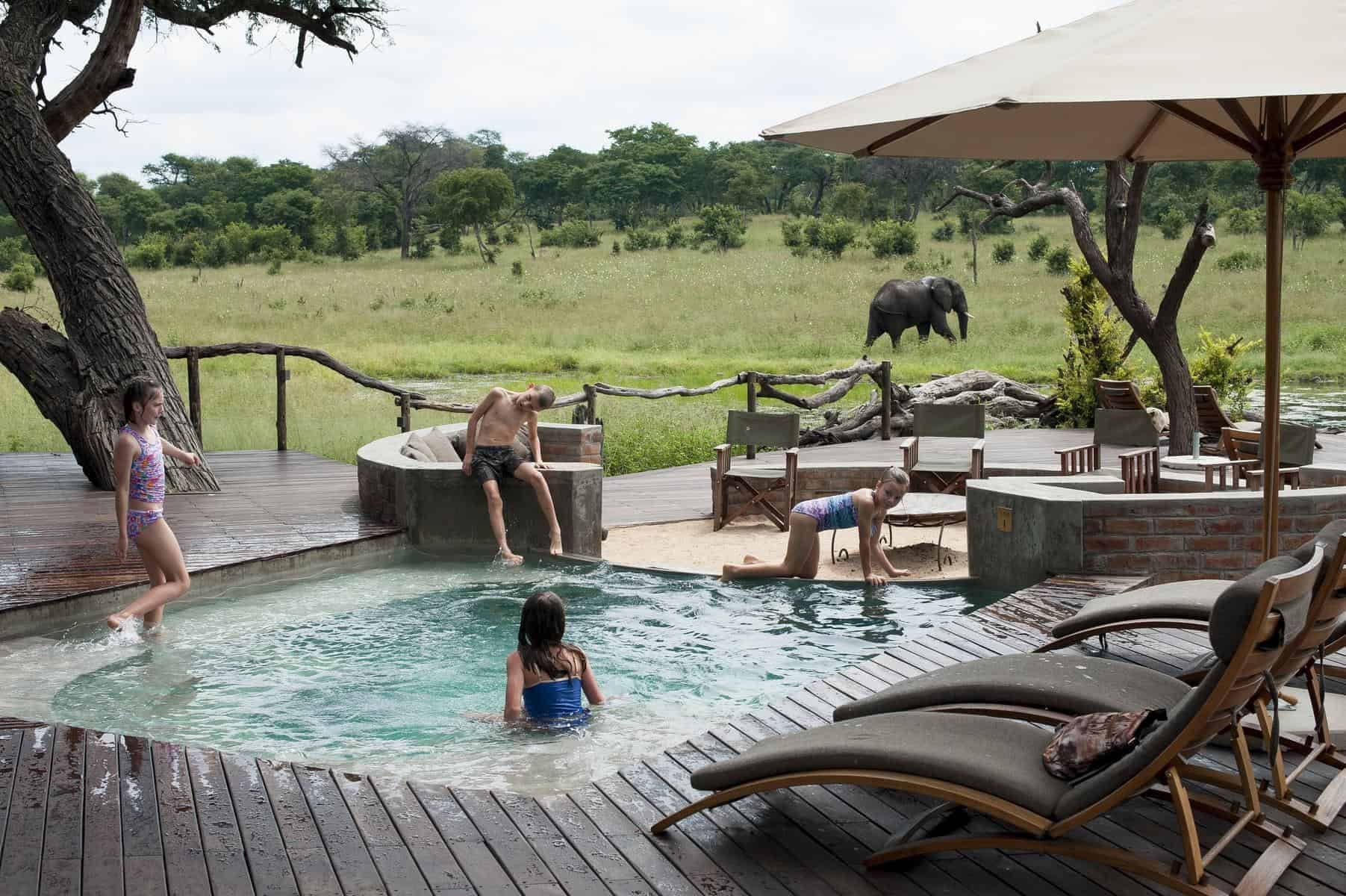
Africa's greatest safari secret is called Zimbabwe
Victoria Falls. Hwange's 45,000 elephants. Mana Pools, one of the most extraordinary places in Africa. The finest safari guiding tradition on the continent. Zimbabwe has been delivering exceptional wildlife experiences for decades and the families who discover it almost always say the same thing: why did we wait so long?
Africa's most underrated safari destination.
Zimbabwe is one of Africa's most underrated family safari destinations. Families are often surprised by how welcoming, easy and rewarding it is to travel here. Victoria Falls remains one of Africa's greatest natural wonders, Hwange National Park and Mana Pools offer some of the continent's most authentic wildlife experiences and around Lake Kariba and Matusadona National Park, families can spend their days fishing, kayaking, boating, visiting remote islands, searching for wildlife from the water and enjoying spectacular sunsets over the lake. It adds a completely different dimension to a safari and is often one of the highlights for children and teenagers.
What sets Zimbabwe apart for me is the quality of the guiding. The country has a long tradition of professional guides and walking safaris, and spending time with a great Zimbabwean guide can completely change the way you see the bush. Zimbabwe also offers exceptional value. If you're looking for outstanding guiding, huge elephant herds, remote wilderness and memorable safari experiences, it often delivers a very similar experience to Botswana at a lower price point. For families who want a safari that feels adventurous, authentic and uncrowded, Zimbabwe is an excellent choice.
Zimbabwe's key regions.
Zimbabwe packs extraordinary variety into a small country. Here's my assessment of each region, including the ones that are not for everyone.
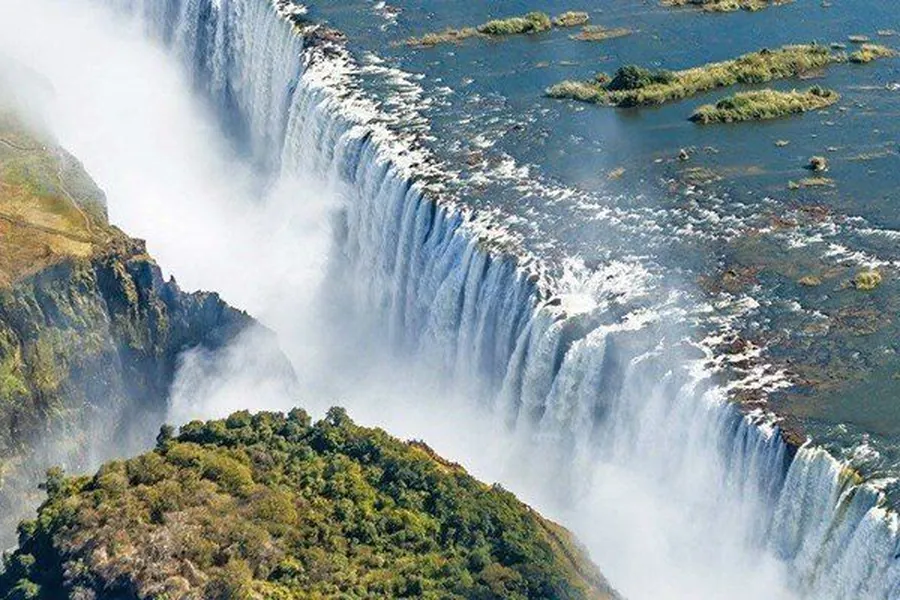
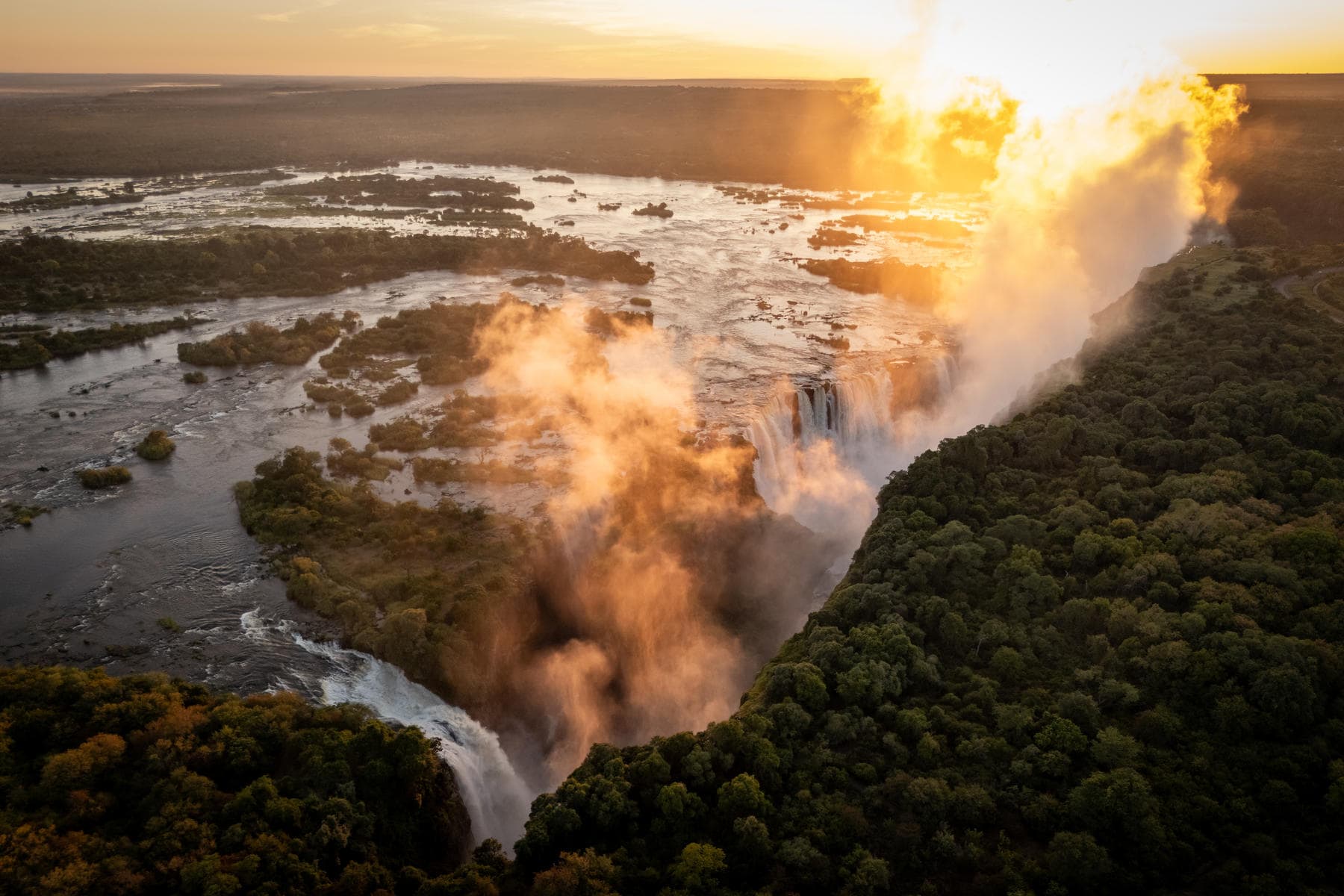
The largest curtain of falling water in the world and one of those rare natural phenomena that exceeds expectation. The Zimbabwe side offers the finest viewpoints: the Main Falls path puts you directly opposite the full width of the curtain, drenched in spray within seconds. At peak flow (February to May) the spectacle is overwhelming. At lower water (August to October) the full gorge structure is revealed. Both are extraordinary in different ways.
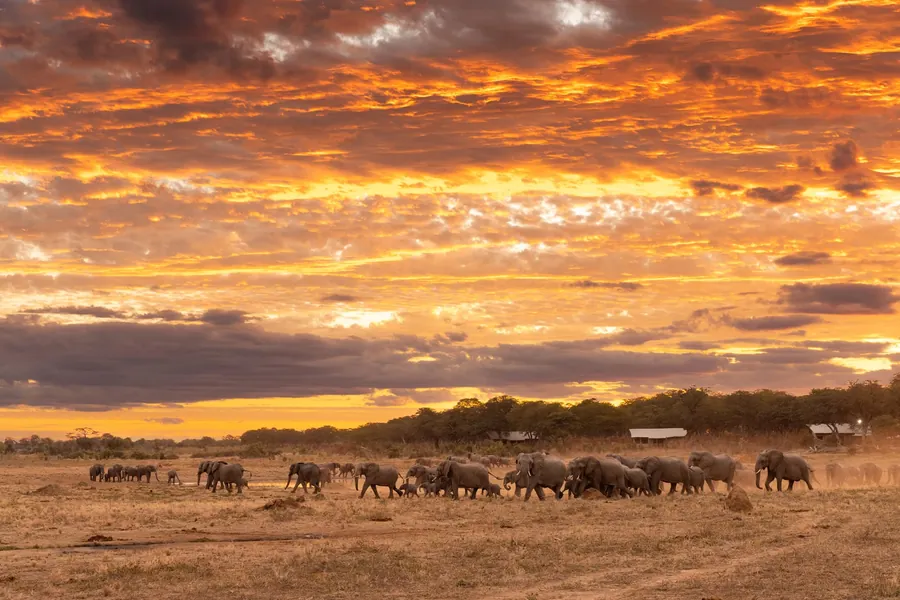
Zimbabwe's largest national park and one of the finest elephant destinations on the continent. Home to an estimated 45,000 animals, with concentrations at the dry-season waterholes that are extraordinary to witness. The guiding here is exceptional: many of Hwange's professional guides have 20 to 30 years in this specific ecosystem. For families, it delivers a comparable quality of experience to Botswana's Chobe at a meaningfully lower price point.
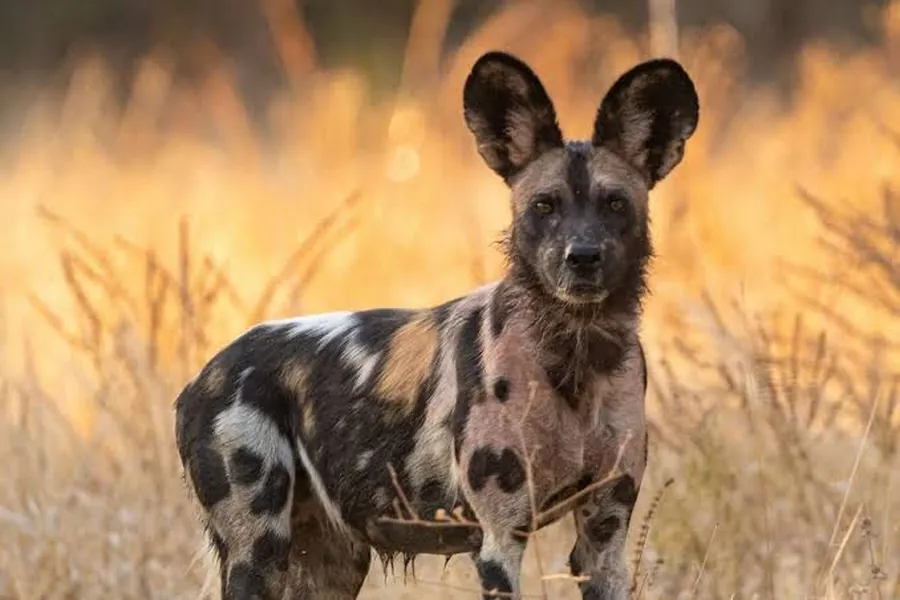
A UNESCO World Heritage Site and one of the most remote, most wild, and most extraordinary places in Africa. Mana Pools sits on the Zimbabwean bank of the Zambezi: a floodplain of ancient riverine forest, oxbow pools, and sand banks that attract extraordinary wildlife, including large packs of African wild dog. Uniquely, Mana Pools is one of the last places in Africa where visitors may walk completely unguided.
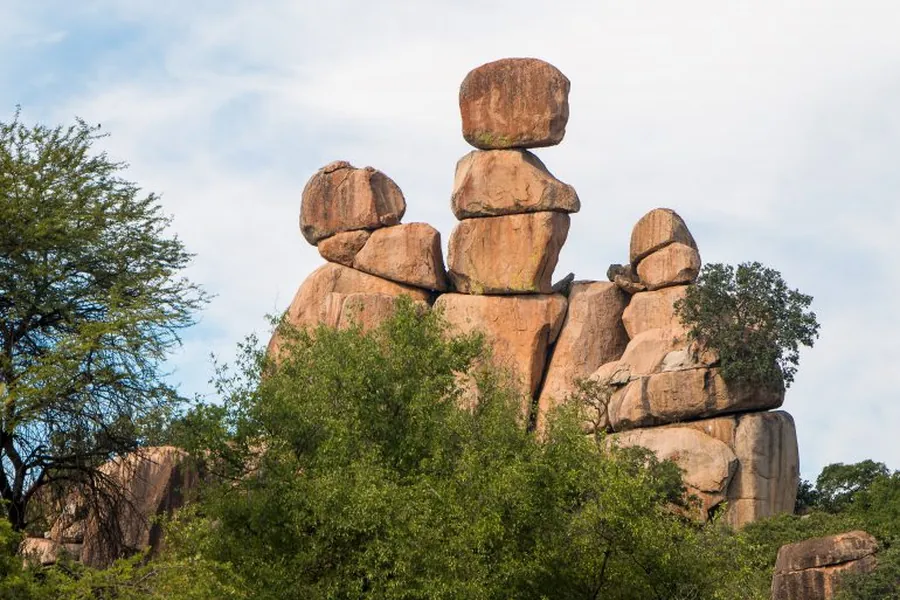
One of Zimbabwe's most overlooked destinations, and one of the most extraordinary landscapes in southern Africa. The Matobo Hills are a labyrinth of granite boulders accumulated over two billion years, with ancient San Bushmen cave paintings and extraordinary birdlife. The Matobo National Park is home to both white and black rhino, and tracking them on foot with a ranger is one of the finest rhino experiences in Africa.
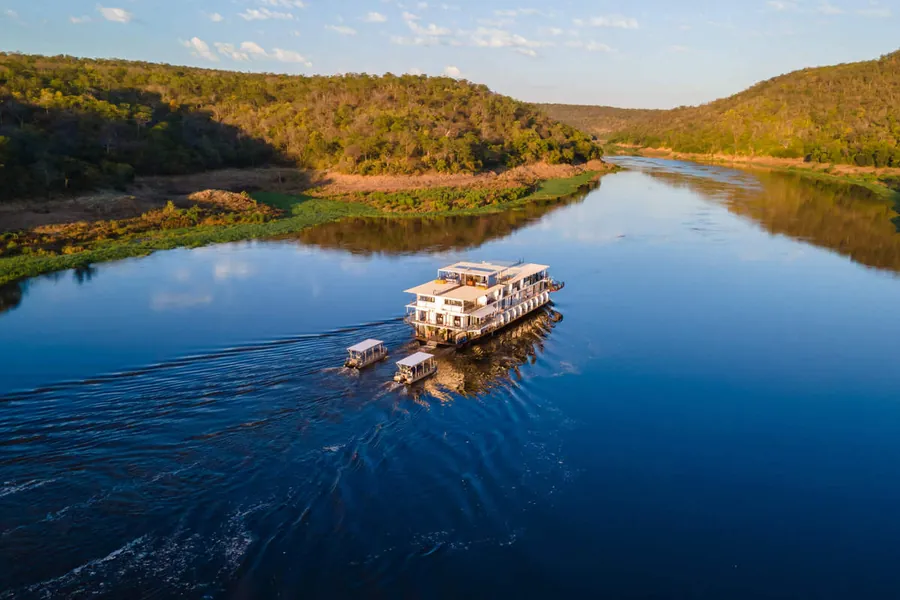
The world's largest man-made lake by volume: a vast, glittering inland sea on the Zambia-Zimbabwe border, fringed by drowned forest, teeming with tiger fish, and patrolled by elephant, buffalo, and lion along its shores. Houseboat safaris drift slowly along the shoreline, fishing for tiger fish at dawn, and the sunsets over a lake so large it has its own weather system are extraordinary.
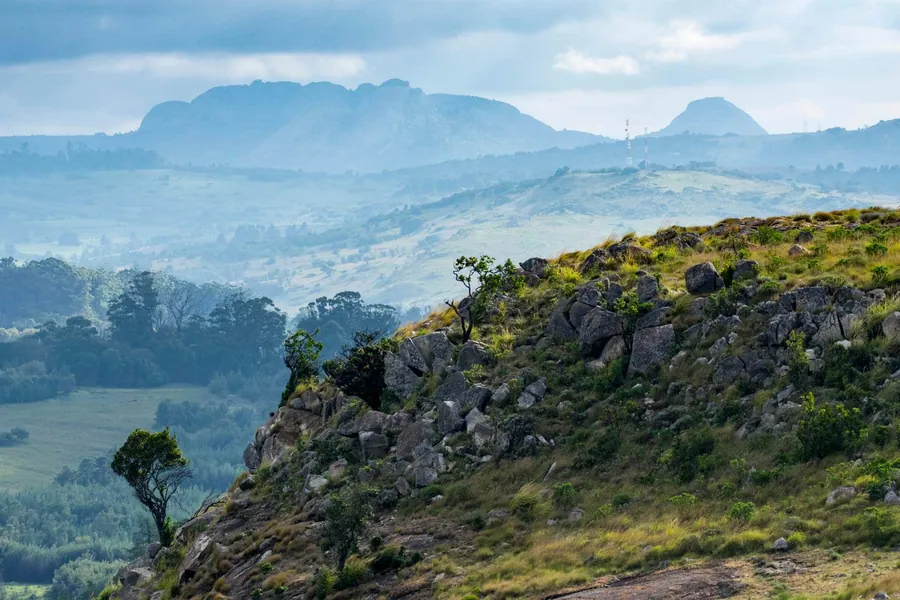
A revelation for families who assume Zimbabwe is flat and dry. The Eastern Highlands, bordering Mozambique, are a chain of verdant mountains, cloud forests, and waterfalls reaching over 2,500 metres, with a climate so temperate it feels like a different country entirely. Nyanga and Chimanimani offer extraordinary hiking, trout fishing in clear mountain streams, and a sense of lush, cool Africa completely at odds with the savannah south.
Zimbabwe by season.
Zimbabwe's seasons are clear and distinct. Here's how I think about timing for families.
The dry season across Hwange and Mana Pools: sparse vegetation, wildlife concentrated at waterholes, exceptional game viewing. Walking safaris at their very best. Victoria Falls at lower water, with the full gorge structure revealed and all adventure activities operational. Zimbabwe at its most accessible and rewarding for families.
Peak water flow on the Zambezi, and Victoria Falls at its most overwhelming and dramatic. The spray is so intense in March and April that you need a full waterproof to reach the main viewpoints. The bush is green and dense, making game viewing harder, but families whose priority is the Falls should consider this window seriously.
The transition from wet to dry (April and May) and the start of the short rains (November) both offer meaningful price reductions and fewer visitors. April and May are excellent in Hwange: game still concentrated, bush beginning to thin, beautiful light. A strong choice for value-conscious families with flexible dates.
The height of the rains: Hwange's vegetation at its densest and game viewing harder, though the park is strikingly beautiful. Victoria Falls is building to maximum flow and is extraordinary by February. Some remote camps close. For families specifically targeting the Falls at peak flow it is the right window.
Zimbabwe Inspiration
Itineraries I have developed for others to give you some inspiration. Each journey is built from scratch tailored around each family.
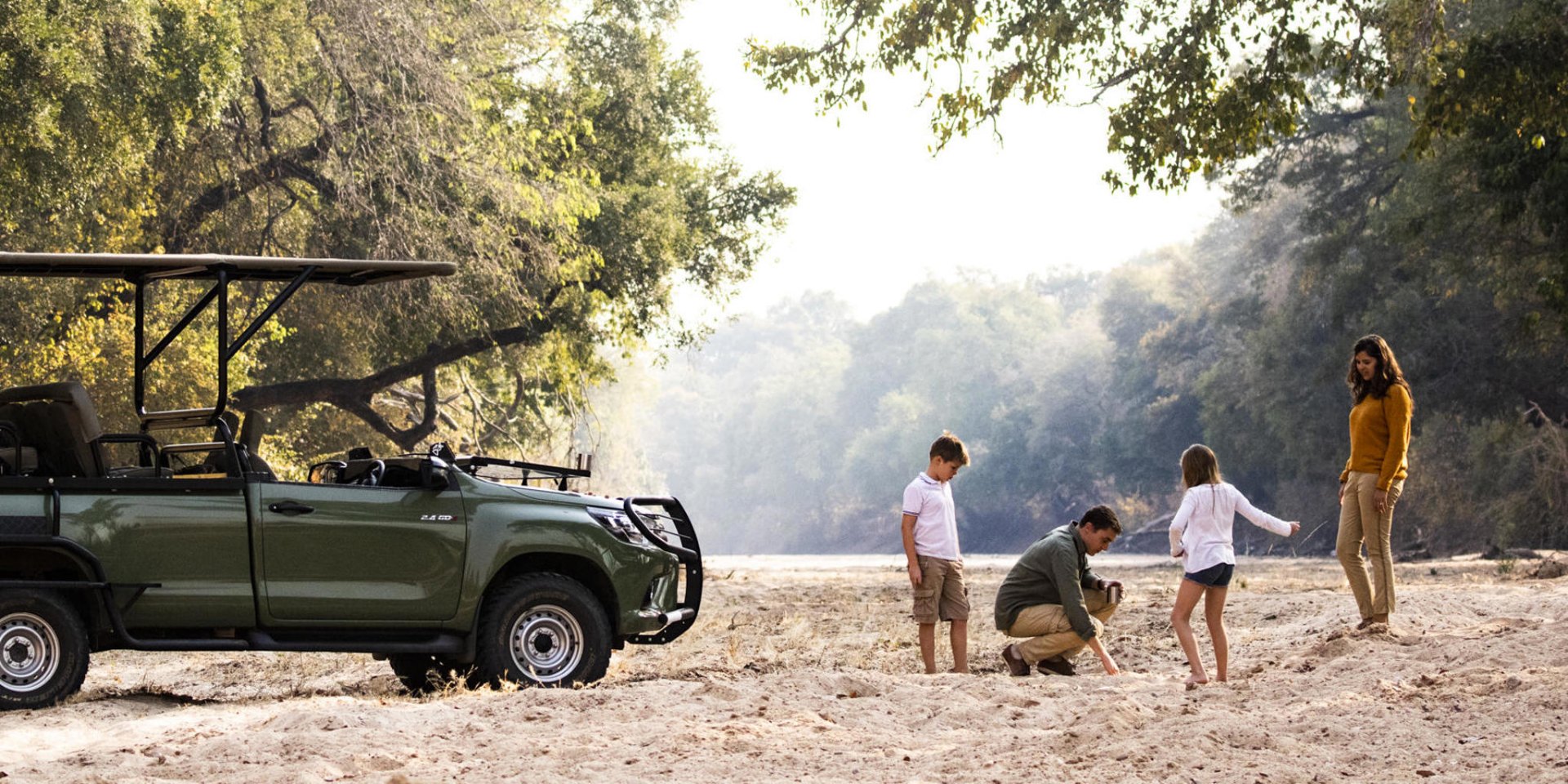
An immersive family adventure in Zimbabwe
Victoria Falls, Hwange, Lake Kariba and Mana Pools
Southern Africa Family Explorer
Rivers, Deltas and Desert Skies
A unique, impactful safari in Zimbabwe
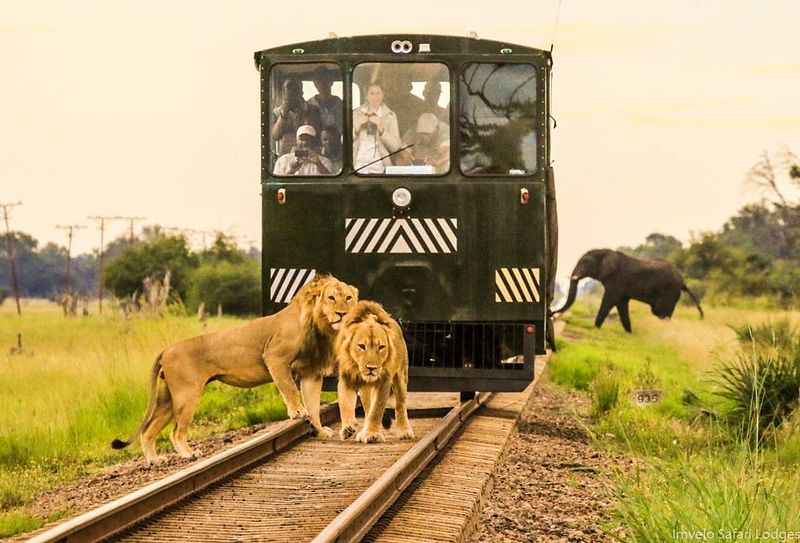
Falls, trains and elephants
What I tell families planning a trip to Zimbabwe.
Set aside your assumptions
Whatever you think you know about Zimbabwe, set it aside. The safety and security situation for visitors - particularly in the parks, at Victoria Falls, and in Bulawayo - is excellent. The infrastructure for tourism is good and improving. The people are extraordinarily warm. Come with an open mind and you will not be disappointed.
The guiding is the experience
Zimbabwe's guiding culture differentiates the experience here from almost everywhere else in Africa. Professional guides typically have decades of experience in specific ecosystems, a deep scientific understanding of the bush, and a storytelling ability that makes every drive a real education. It's not just about what you see. It's about what you understand.
Don't skip the helicopter at Victoria Falls
The Flight of Angels lasts 13 minutes and costs around USD $180-220 per person. Children from approximately 5 upwards can do it. It is the finest way to understand the scale of what you're looking at. Families who skip it to save money consistently tell me afterwards it was the one thing they wish they hadn't skipped.
Add Matobo Hills if you have the time
If your family has 10+ days, I strongly recommend including Matobo Hills near Bulawayo. The rhino tracking on foot is among the finest in Africa, the San rock art is extraordinary, and the landscape of ancient granite boulders is unlike anything else on the continent. Families consistently describe it as the unexpected highlight.
Combine with Botswana or Zambia
Zimbabwe's border position makes it one of the easiest countries in Africa to combine with its neighbours. The Botswana crossing at Kasane, from Victoria Falls, is straightforward. Zambia's Livingstone is directly across the bridge from the Falls. I design these multi-country circuits frequently and they work seamlessly.
Mana Pools: a realistic assessment
Mana Pools is extraordinary, but I always give families a realistic picture: it is remote, requires fly-in access, is only fully open in the dry season (April to October), and is best for families with older children. For families with children under 12, I'd recommend Hwange and the Falls first, and return to Mana Pools when the children are older.
Ready to start planning your family adventure to Zimbabwe?
Tell me about your family: their ages, your travel dates, and whether you've done southern Africa before. I'll design an itinerary that shows you the Zimbabwe I know and love: the guiding, the elephants, the Falls, and the extraordinary depth this country has to offer.