
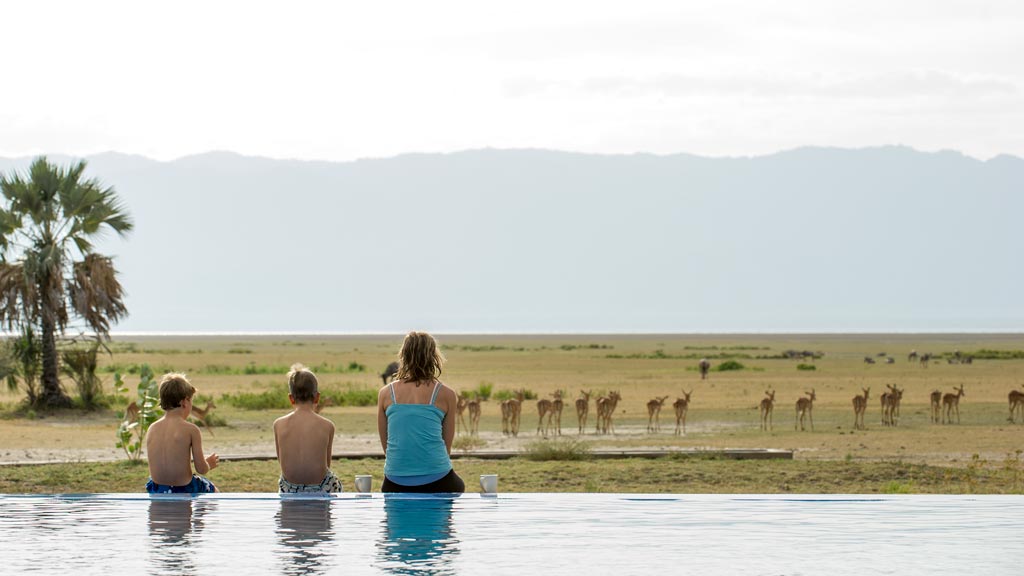
Tanzania is the Serengeti. And so much more.
The Great Migration. The Ngorongoro Crater. The peak of Kilimanjaro. The spice island of Zanzibar. Tanzania holds more wildlife, more landscape drama, and more sheer safari spectacle than almost any country on earth.
More wildlife. More landscape. More Tanzania.
If Kenya is the most famous safari destination in East Africa, Tanzania is the most extraordinary. It is simply bigger: bigger parks, bigger herds, bigger skies. The Serengeti alone is larger than Switzerland. The Ngorongoro Crater is a self-contained ecosystem that holds an extraordinary density of predators in a space you can drive around in a single day. And the southern circuit, the Selous and the Ruaha, remains one of Africa's last great wilderness frontiers.
And it doesn't end in the bush. The classic Tanzania trip pairs the drama of the Serengeti with the powder-white beaches of Zanzibar, an hour's flight away, so the early mornings and long game drives give way to warm Indian Ocean shallows, snorkelling and the spice-scented alleys of Stone Town. It's the bush-and-beach combination at its very best, and the reason four or five nights on the island is the perfect finale to almost any Tanzania safari.
For families, Tanzania rewards slightly older children, those who can absorb the context, handle the charter flights and longer game drives, and truly take in what they're seeing. Get that right, and it delivers the most jaw-dropping safari or bush & beach combination on the continent.
Tanzania's key regions.
Tanzania has two distinct circuits: the famous north and the extraordinary, undervisited south. Here's my take on each.
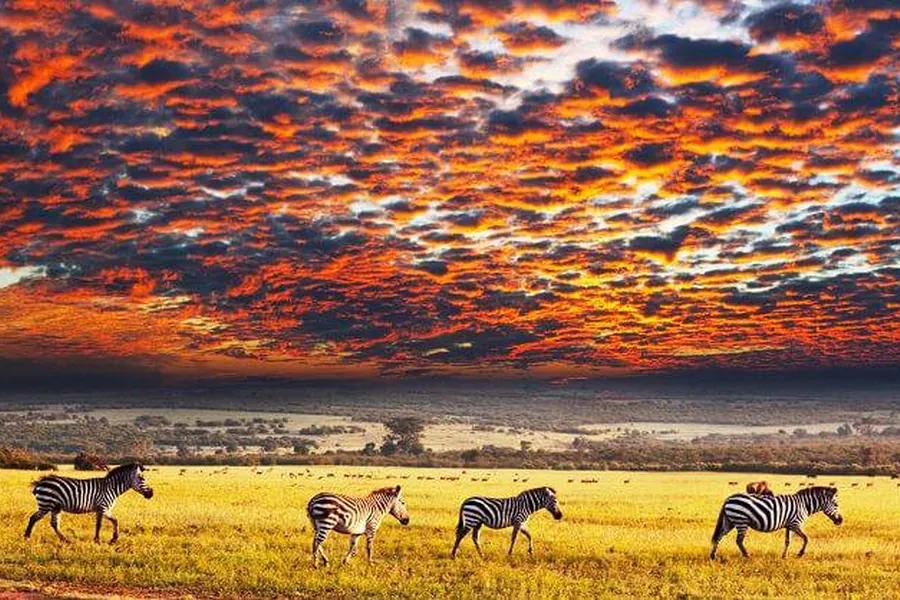
Over 1.5 million wildebeest, 500,000 zebra, and 300,000 Thomson's gazelle move in a continuous clockwise circuit across the Serengeti and into Kenya's Masai Mara, following the rains. Where you position yourself in the Serengeti, and when, determines what you witness. The river crossings of the western corridor (July to September) are the most dramatic; the calving season of the southern Serengeti (January to February) is, in some ways, even more extraordinary. I'll match your camp to the migration's location precisely.
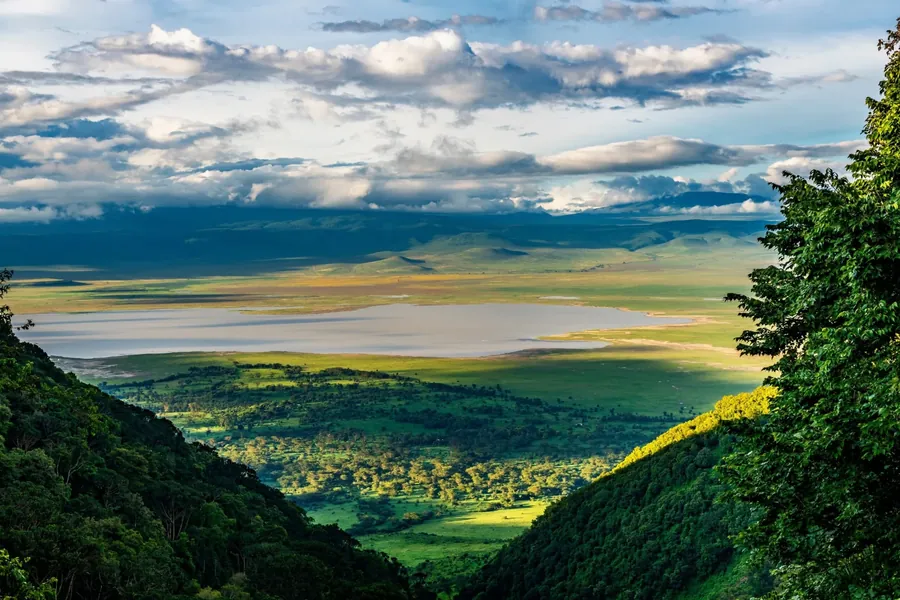
A collapsed volcanic caldera 20 kilometres across and 600 metres deep. Inside it is one of the most extraordinary concentrations of wildlife in Africa. Essentially a self-contained ecosystem: big herds never leave, and predators never need to. Lion, leopard, cheetah, hyena, black rhino, elephant, hippo, and the iridescent pink of a million flamingos on the soda lake. I build a minimum of two descents into every northern Tanzania itinerary.
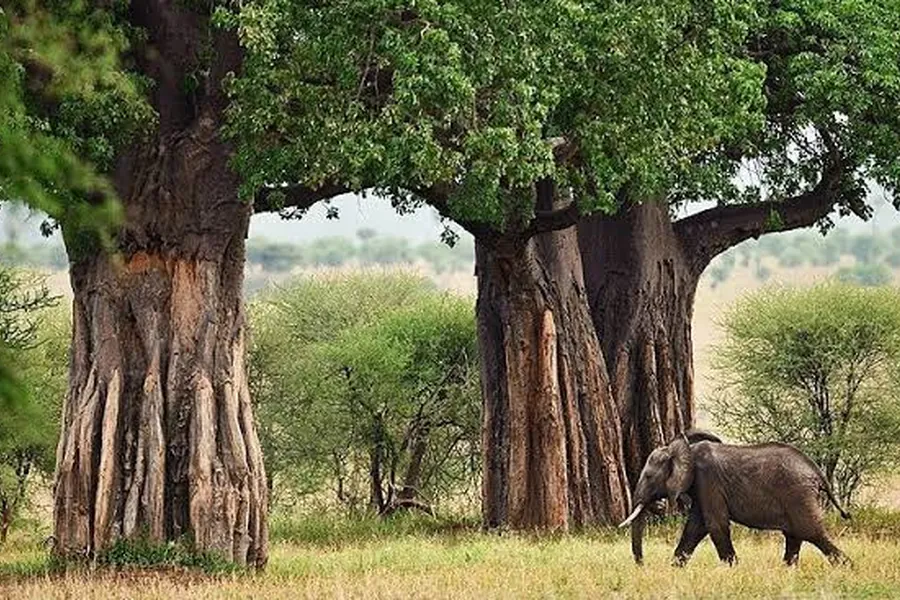
Tanzania's most underrated northern park and one I build into many itineraries, despite being overlooked by most generic tour operators. Tarangire's landscape is defined by ancient baobab trees, the Tarangire River, and enormous elephant herds that congregate here in the dry season. For families arriving in Tanzania for the first time, Tarangire's combination of spectacular scenery and guaranteed elephant encounters makes it a perfect opening night.
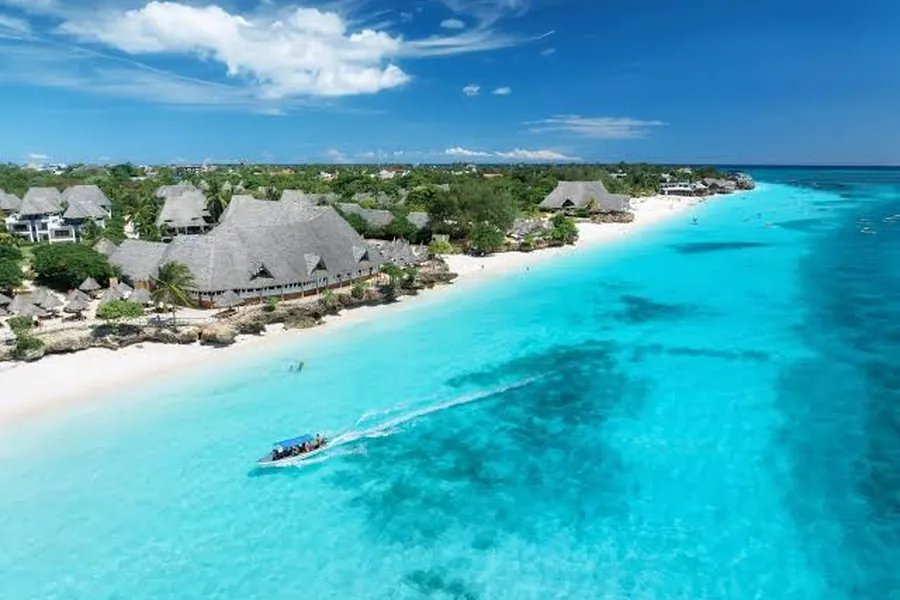
The spice island: an archipelago of coral reefs, powder-white beaches, turquoise shallows, and the extraordinary Stone Town, a UNESCO World Heritage Site of narrow alleys, Arab trading houses, and spice markets that smell of cloves and cinnamon. Zanzibar is the natural finale to any northern Tanzania safari, with four or five nights of decompression after the intensity of the bush. Children swim, snorkel, sail on dhows, and explore Stone Town's labyrinths.
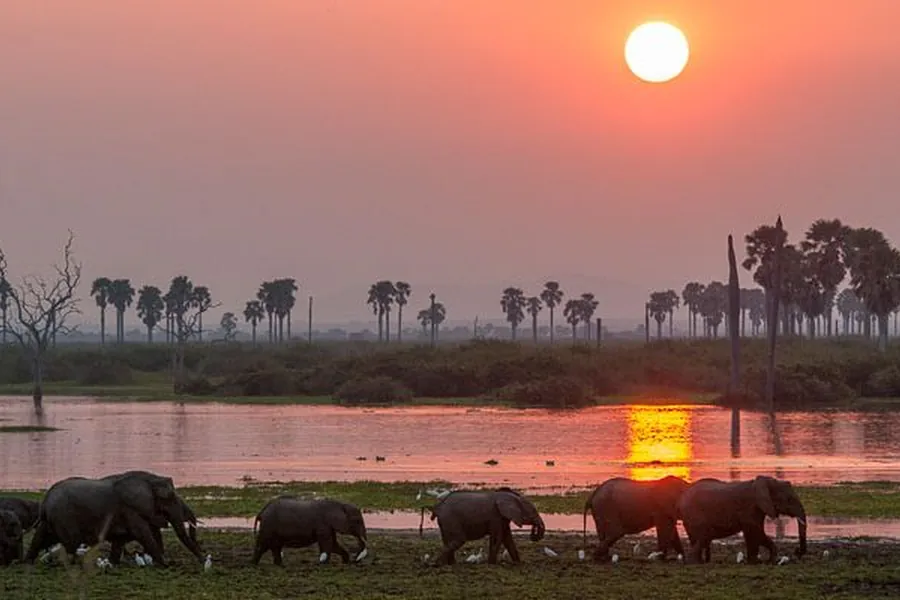
The southern circuit is one of Africa's last great frontiers. It is visited by a tiny fraction of the families who crowd the northern parks, yet delivers wildlife encounters of equal or greater quality. The Selous is the largest game reserve in Africa: a vast wilderness of rivers, lakes and borassus palm forests, with walking safaris, boat safaris, and fly-camping that the north cannot offer. Ruaha is even more remote, with wild dogs, greater kudu, roan antelope and enormous elephant herds.
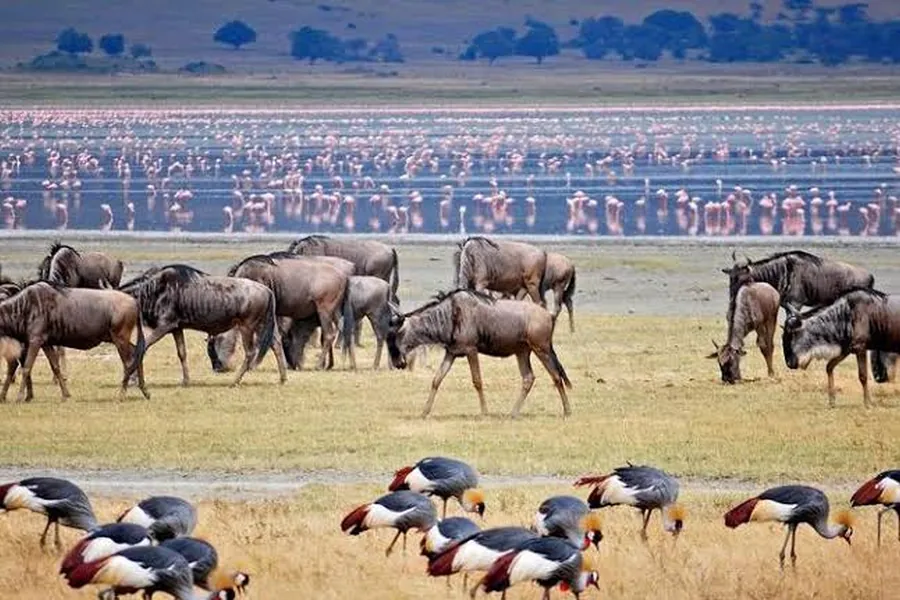
Lake Manyara is often dismissed as a half-day add-on, which is a mistake. The park sits at the base of the Great Rift Valley escarpment, with the alkaline lake filling the valley floor and extraordinary birdlife, most famously thousands of pink flamingos. The tree-climbing lions of Manyara are unique. I often use Manyara as the opening night of a northern circuit holiday. It is accessible from Arusha, gentle for first-time safari families, and sets the tone beautifully.
Tanzania by season.
Tanzania's migration moves constantly, so where you go and when determines everything. Here's how I think about it, and why there's almost never a bad time to visit.
The wildebeest are in the northern Serengeti and crossing into Kenya's Mara. River crossings happen daily: chaotic, dangerous, extraordinary. Dry season across the parks: sparse vegetation, excellent game viewing. The most in-demand window, so book 12 months ahead for the best camps.
The southern Serengeti's calving season: 8,000 wildebeest born every day for three weeks, and predators hunting in extraordinary numbers. Far fewer visitors than peak season, lower prices, and an experience that in many ways surpasses the river crossings for pure intensity.
Short rains (November) and the start of long rains bring green landscapes, dramatic skies, and significantly lower prices. Game viewing is harder through longer grass, but the Ngorongoro Crater is exceptional year-round regardless of rain. November in particular can be a very strong month.
Tanzania's long rainy season - some tracks become impassable, several camps close, and vegetation is at its densest. It's not impossible, as the Ngorongoro works in any weather and Zanzibar is beautiful year-round. But it's not the Tanzania experience I want first-time families to have.
Tanzania Inspiration
Itineraries I have developed for others to give you some inspiration. Each journey is built from scratch tailored around each family.
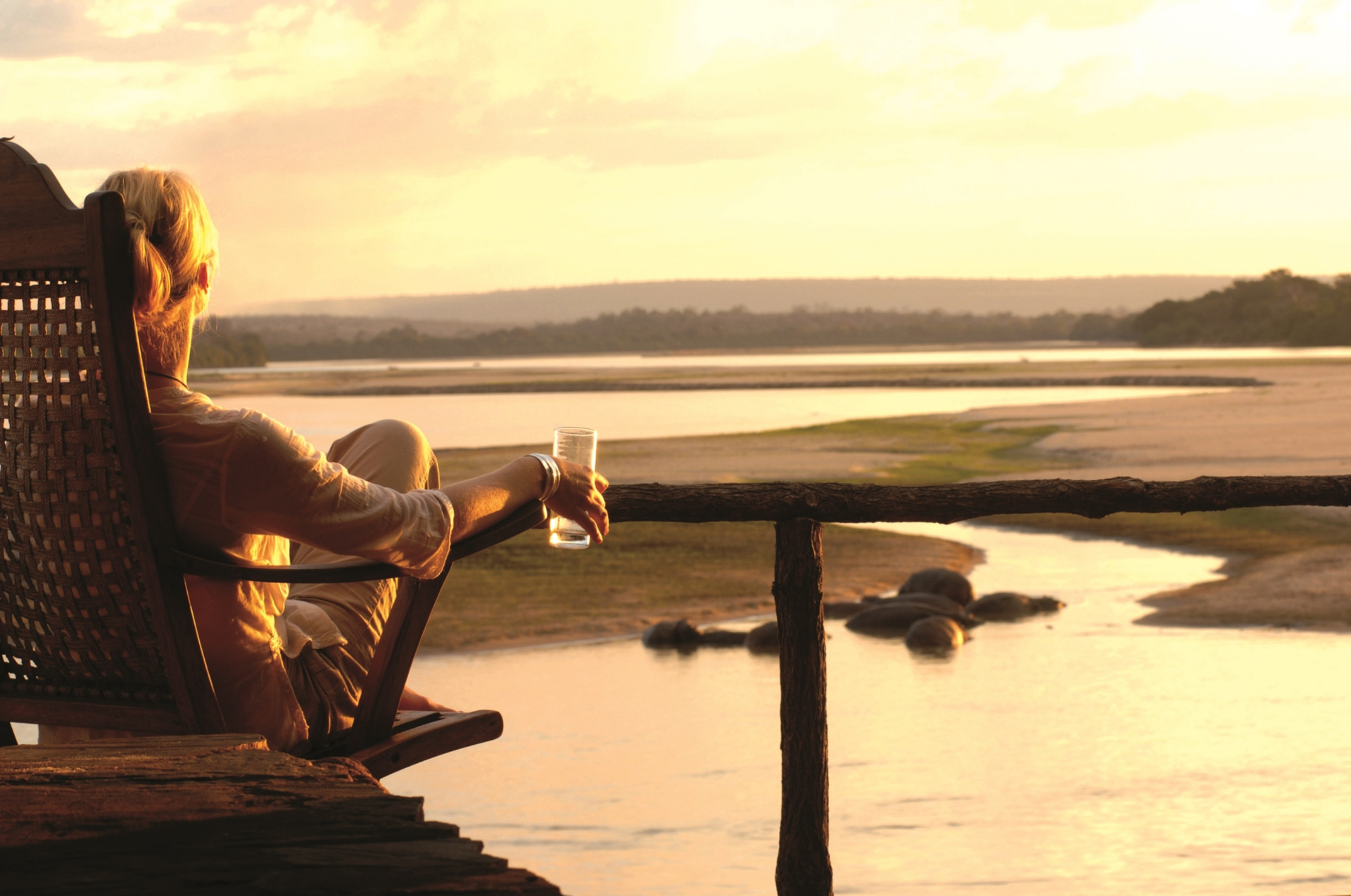
Untamed safari and beach in Tanzania
An east African safari and beach adventure far from the crowds
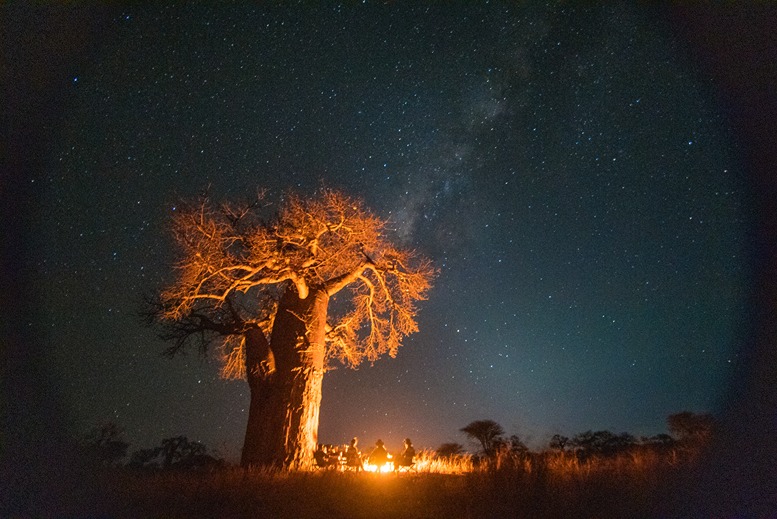
An immersive adventure in Northern Tanzania
Far from the crowds - cultural encounters and fly camping, great for teens
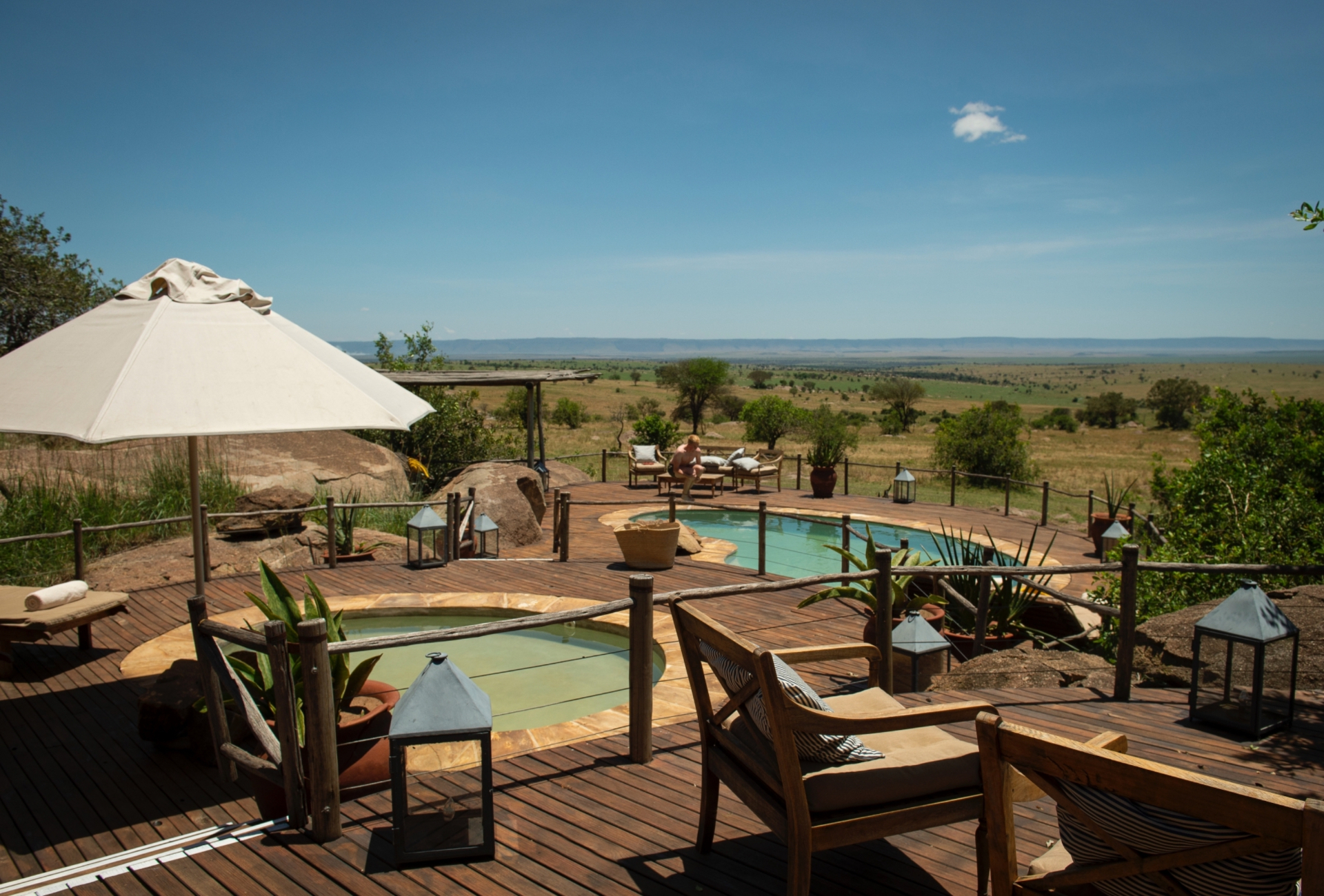
Exclusively yours - Serengeti and Zanzibar
The perfect safari and beach for a larger family celebration
What I tell families planning a trip to Tanzania.
Migration positioning is everything
The most important thing I do for Tanzania families is position them correctly relative to the migration. The wildebeest are always somewhere in the Serengeti, but where depends on the time of year. A camp in the wrong place misses the herds entirely. I track the migration year-round and position every family's camp precisely.
Consider the calving season seriously
Most families default to July to October. January and February's calving season is, in my view, equally extraordinary and far less discussed. The southern Serengeti produces 8,000 wildebeest births per day at its peak, and predator activity is intense. Fewer visitors, significantly lower prices, and an experience that rivals the river crossings.
Consider including Tarangire
Most generic northern circuit itineraries skip Tarangire in favour of more Serengeti nights. I almost always push back. Tarangire in the dry season has some of the greatest elephant concentrations in East Africa, extraordinary baobab scenery, and far fewer vehicles. It also works beautifully as a first night.
Luggage restrictions are a thing - plan for them
Charter flights between Tanzania's northern parks carry strict soft-bag weight limits - typically 15kg per person with no hard-sided luggage. This catches families off guard every year. I send every Tanzania family a detailed packing list and luggage guidance well before departure.
Don't rush Zanzibar
Families sometimes give Zanzibar only two nights as a postscript to the safari and it's not enough. I recommend a minimum of four nights, and five is better. Stone Town alone deserves a full day. The whole point of Zanzibar, after the early mornings and long drives of the Serengeti, is to decompress.
Tanzania vs Kenya: which first?
If your children are under 8, start with Kenya. The Masai Mara is more accessible, the logistics are simpler, and the open savannah works better for younger children. Tanzania rewards slightly older children who can absorb more context and handle longer days. Let me know your children's ages and I'll share my thoughts about the best option.
Ready to start planning your family adventure to Tanzania?
Tell me your travel dates, your children's ages, and whether the migration or the calving season excites you more. I'll position your trip precisely, design an itinerary that fits your family's pace, and make sure you're in the right place at the right time.