
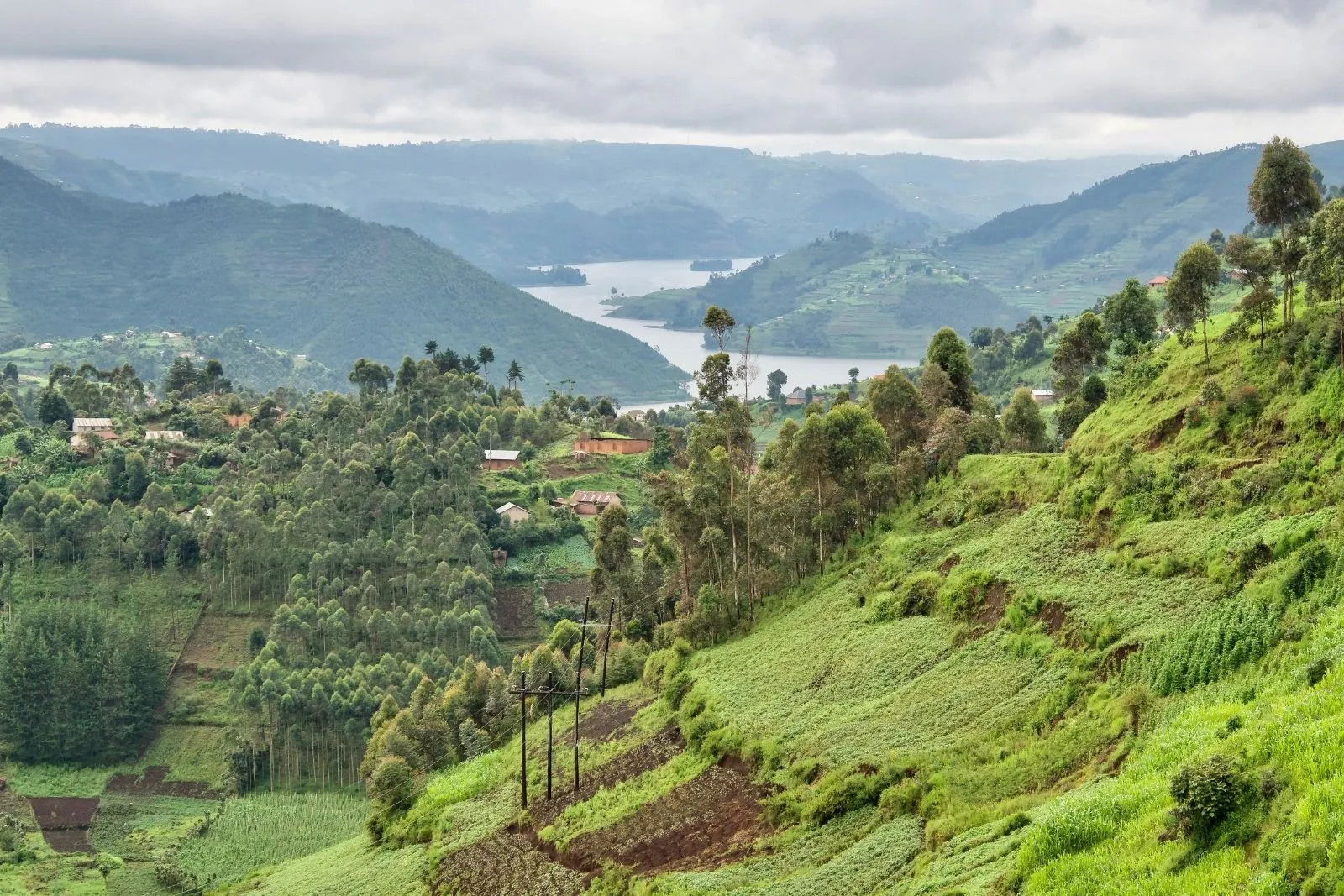
Uganda is the adventure capital of East Africa.
Often called the Pearl of Africa, Uganda offers an exceptional combination of wildlife, scenery and active adventure that rewards families willing to venture a little further off the beaten track.
One hour. One family. One gorilla troop.
Uganda is not usually the first destination I recommend for families with younger children. Gorilla trekking, which is the main reason most people visit, has a minimum age of 15, and the trekking itself can be physically demanding.
If your children are younger and you're looking primarily for a classic safari with big game and open plains, Kenya, Tanzania or South Africa are often a better fit. For families with older teenagers, however, Uganda offers one of the most extraordinary wildlife experiences in Africa. Spending time with mountain gorillas in their natural habitat is something that is difficult to put into words. It is humbling, moving and often becomes the moment families talk about long after they return home.
What I particularly like about Uganda is that it offers much more than gorillas alone. Jinja is like East Africa's Victoria Falls - where there are adrenaline activities such as white water rafting, bungy jumping and zip lining. There is chimpanzee trekking, boat safaris, excellent birdlife and traditional safari experiences in Queen Elizabeth National Park (where I saw my first ever Lion) and Murchison Falls NP. It also works beautifully alongside Kenya or Rwanda.
Uganda's key regions.
Uganda is compact but extraordinarily diverse: rainforest, savannah, volcanic craters and the source of the Nile, all in a country smaller than the UK.
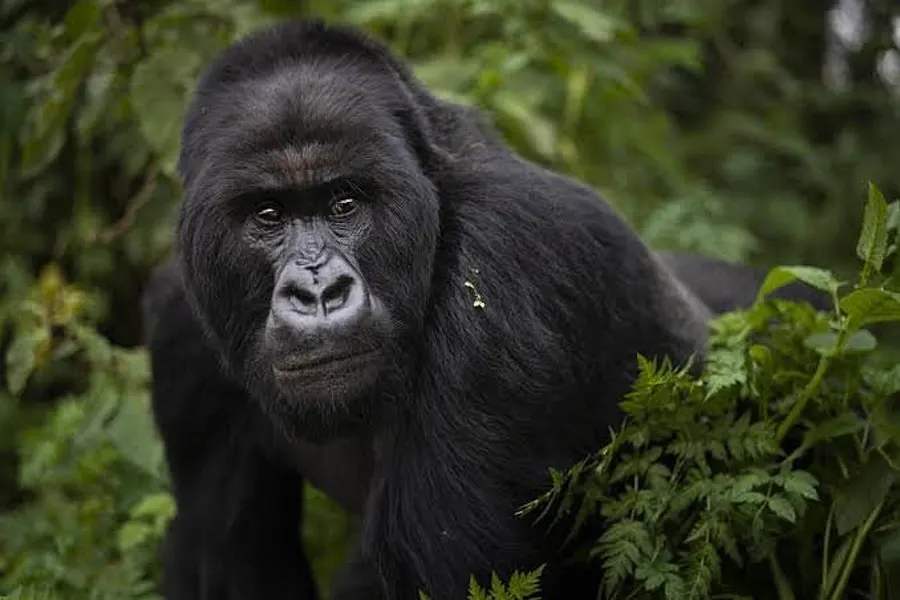
The name tells you something: Bwindi is impenetrable, a montane rainforest of extraordinary density covering 331 square kilometres of ancient, mist-covered hills. Home to roughly half of the world's mountain gorillas, around 500 individuals in multiple habituated troops. Each troop receives exactly eight visitors per day for exactly one hour. The trek can take an hour or a full day. That uncertainty is part of what makes it extraordinary.
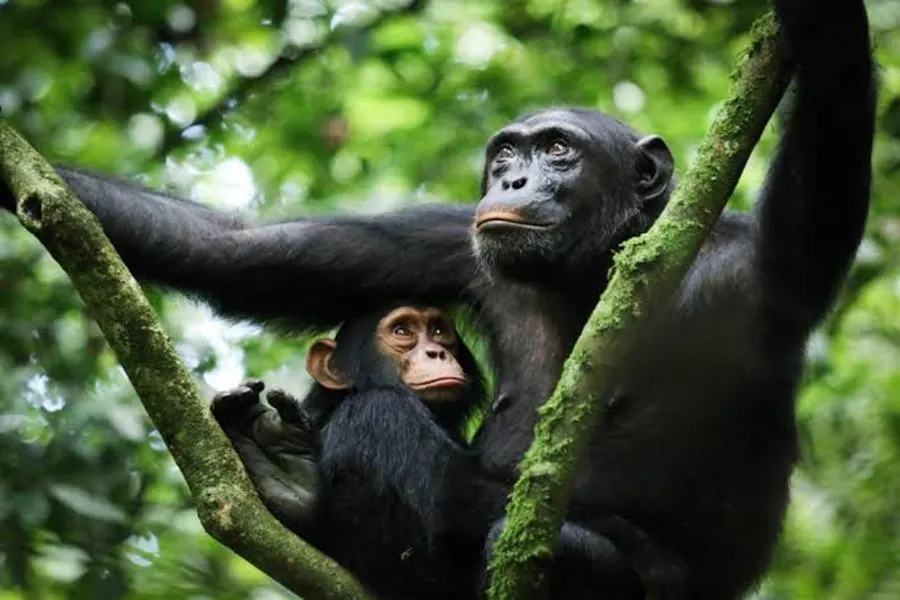
The world's best destination for chimpanzee tracking: a lush, humid rainforest home to over 1,500 chimpanzees. The experience is different from gorilla trekking. Chimps move fast, loud and unpredictably, racing through the canopy and dropping to the forest floor. It is exhilarating in a way that gorilla trekking's solemnity is not. Minimum age 12, so accessible to more family members than Bwindi.
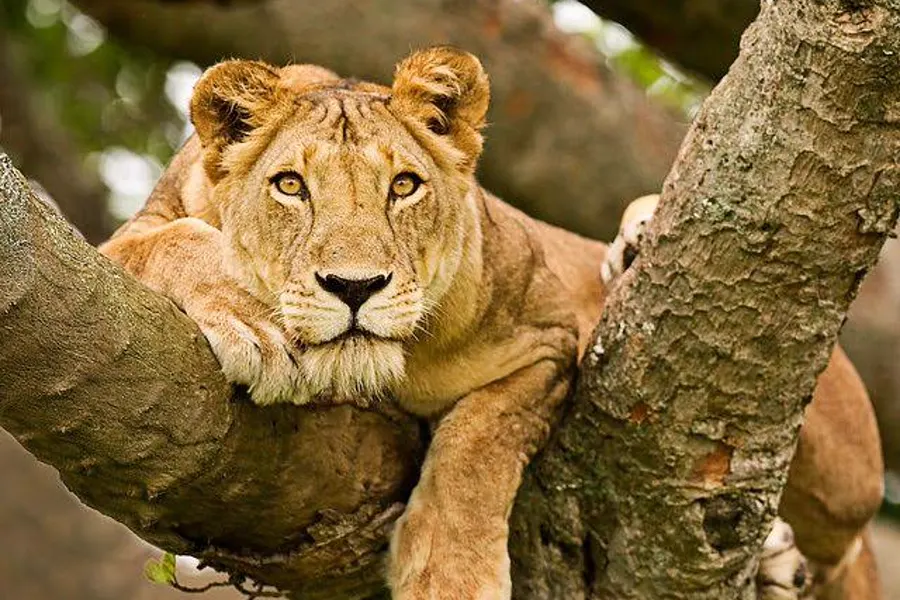
Uganda's most popular park and the closest thing here to a conventional African safari: open savannah, crater lakes, and the extraordinary Kazinga Channel connecting Lakes Edward and George with one of the highest hippo concentrations in Africa. The boat safari on the Kazinga is Uganda's finest wildlife experience for younger family members. Queen Elizabeth also has the Ishasha sector, home to the famous tree-climbing lions.
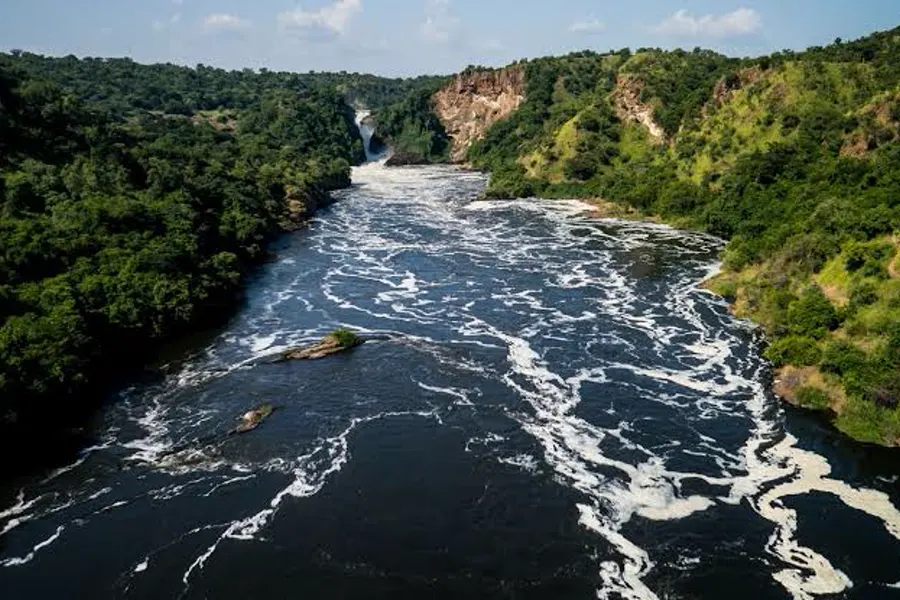
Jinja sits at the precise point where the Nile begins its 6,650km journey to the Mediterranean. For families with a sense of geography and history, standing at the source is a moving moment. Jinja has also become East Africa's adventure capital: white water rafting on the Nile (Grade 4-5, minimum age around 12), bungee jumping and kayaking. For teenagers needing something high-octane between contemplative forest days, it's perfect.
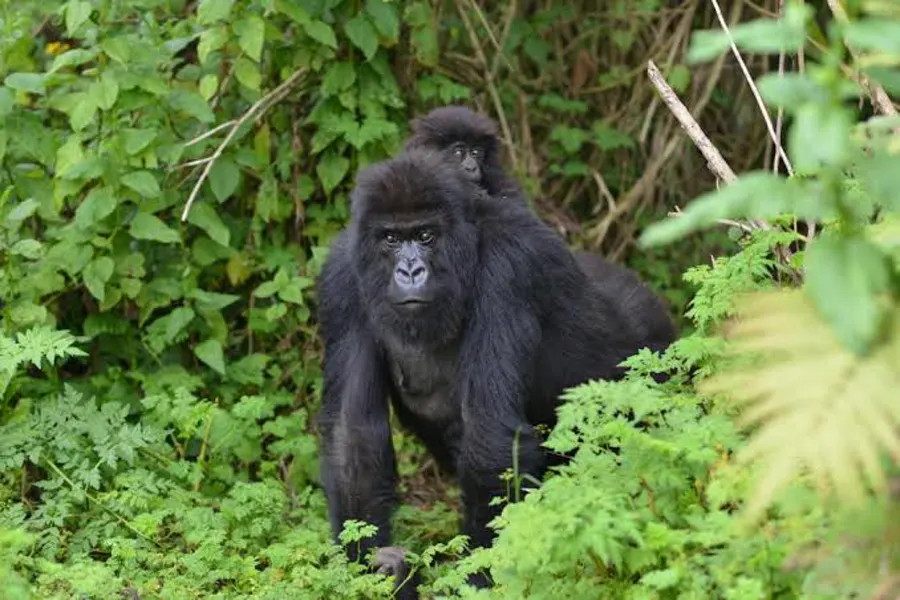
Uganda's smallest national park: a dramatic volcanic landscape in the Virunga range on the borders of Uganda, Rwanda and the DRC. One habituated gorilla troop and extraordinary golden monkey tracking. Less visited than Bwindi, with fewer crowds and a more intimate feel, but permit availability can be less reliable. I recommend it for families who specifically want the volcanic landscape or as a golden monkey add-on to a Bwindi trek.
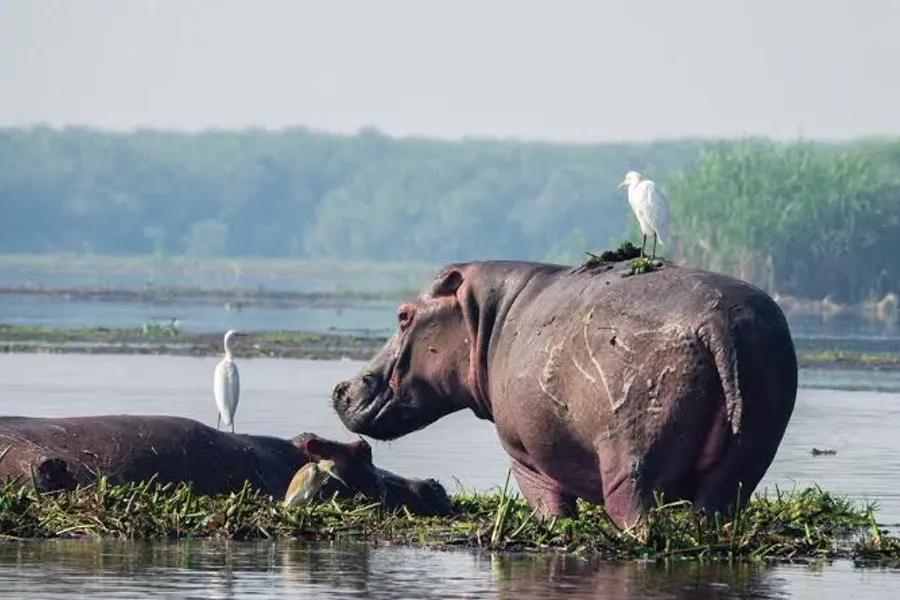
Uganda's largest national park: a vast wilderness where the entire volume of the Nile is forced through a seven-metre gap to create the most powerful waterfall on earth. Classic game drives for lion, elephant, giraffe and Nile crocodile, plus a boat safari to the base of the falls. Uganda's most accessible game park and an excellent option for families with younger children alongside the primate experiences further south.
Uganda by season.
Uganda's equatorial climate means gorillas can be tracked year-round but the season matters for the trek itself and for the rest of the country.
Trails are firmer, undergrowth thinner, trek physically manageable. Game viewing in Queen Elizabeth and Murchison is excellent. Cooler temperatures in Bwindi at altitude. The window I recommend for most families.
Uganda's shorter dry season: trails in good condition, gorillas accessible, clear skies. Christmas and New Year in Uganda is fantastic, with a warmth and festive energy that is memorable.
Shorter and less intense than the long rains. Forest remains beautiful, trails wetter but generally manageable. Good permit availability and reasonable prices. Birding exceptional as migrants arrive.
Long rains: trails become very slippery and the trek significantly more demanding. Gorillas don't mind the rain; permits are cheaper. For fit, adventurous families but not first-time visitors concerned about the physical demands.
What every family needs to know before they go.
Plan around age limits
Minimum age for gorilla trekking is 15, strictly enforced at the park gate, with no exceptions. What I can do is design an itinerary that gives younger family members equally extraordinary experiences: Queen Elizabeth's boat safari, Kibale chimps (12+), Murchison Falls, or a Uganda-Kenya combination. Tell me everyone's ages and I'll make it work.
Book gorilla permits as early as possible
Permits are limited to eight people per habituated troop per day. They're generally available year-round, but peak season (June to September) sells out months ahead. I book six to twelve months out for peak travel. If you're thinking about Uganda, the conversation with me needs to start now.
Prepare physically for the trek
The trek can be demanding. Finding the gorillas means following trackers through dense, steep, slippery forest for anywhere from one hour to six. Do some uphill walking in the months before, invest in good waterproof boots with ankle support, and hire a porter. I always recommend it.
Book two trek days if the budget allows
At USD $700 per permit, two days is a real cost. But if you can, do it. The experience is different every single time: different troop, weather, behaviour, light. Families who do two consistently report the second day gave them something the first didn't.
Uganda combines brilliantly with Kenya
For families with a wide age range, a Uganda-Kenya combination is a favourite. Teenagers do the gorilla trek in Bwindi while younger children experience Queen Elizabeth's boat safari, then the whole family flies to Nairobi for the Masai Mara. Logistically simple, extraordinarily effective.
Uganda is more than gorillas
Families sometimes think of Uganda solely as the gorilla destination and then discover the rest of the country is equally extraordinary. Murchison Falls is spectacular. The Kazinga Channel rivals anything in East Africa for sheer density of wildlife. Jinja's rafting is world-class. The people are extraordinarily warm.
Ready to start planning your family adventure to Uganda?
Tell me the ages of everyone in your group. That's where every Uganda itinerary starts. I'll design something that gives every family member their defining moment, manage the gorilla permits, and make sure the logistics work seamlessly.