
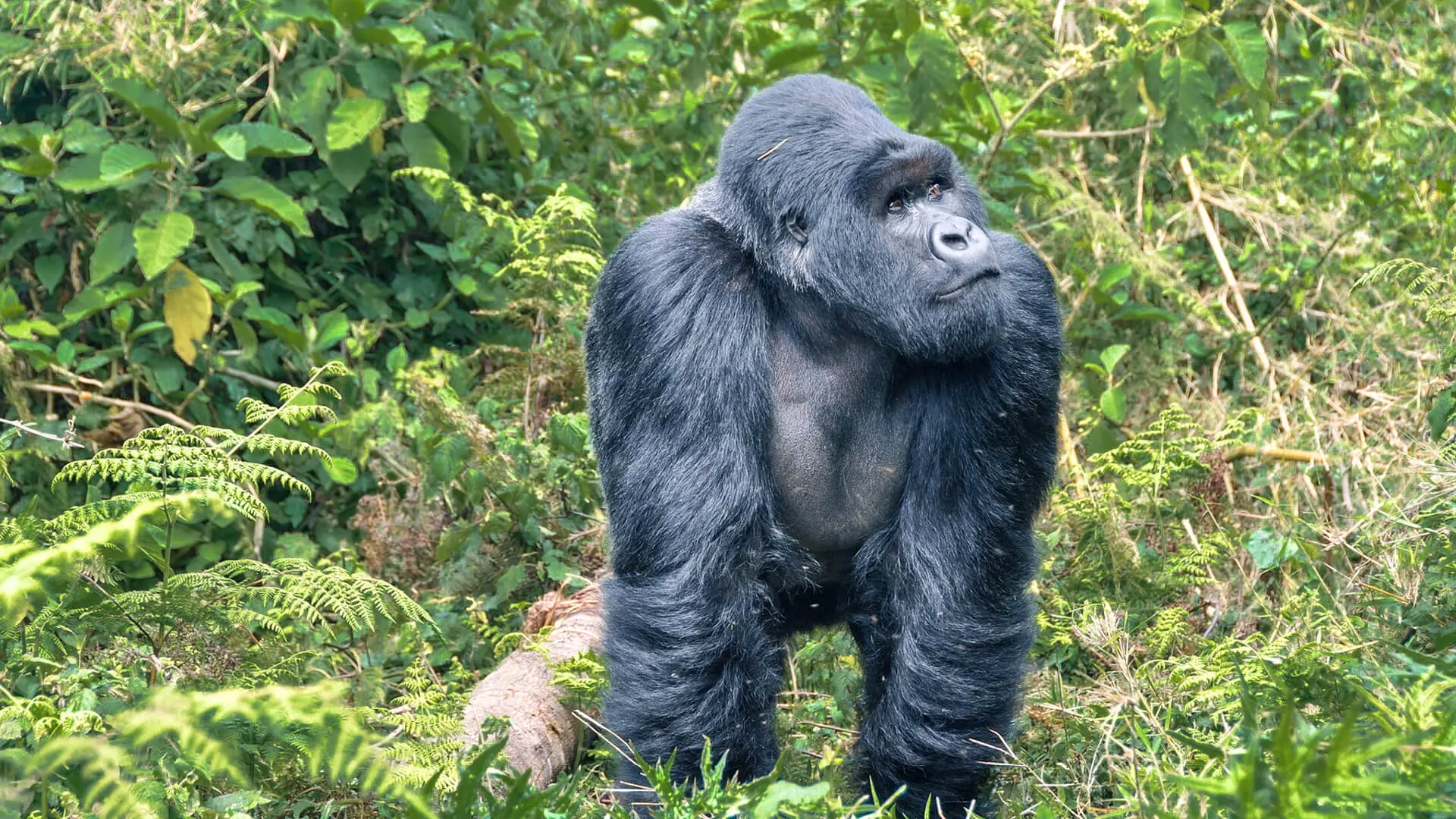
Rwanda the land of a thousand hills.
The most accessible gorilla trekking destination in the world. The most efficiently run national park system in Africa. A country that has undergone one of the most remarkable transformations in modern history, and now offers an extraordinary combination of wildlife, conservation and human story that moves families who come here.
The easiest gorilla experience in Africa.
If you're considering gorilla trekking and your children are old enough (the minimum age is 15), Rwanda's Volcanoes National Park is easily accessible, the tourism infrastructure is excellent and Kigali is one of Africa's most interesting and welcoming cities to begin or end a trip BUT the gorilla permits are more expensive than in Uganda.
Beyond the gorillas, Rwanda offers chimpanzee trekking, golden monkey tracking, beautiful Lake Kivu and some inspiring conservation success stories. It's also a compact country that's easy to navigate, making it one of the simplest and most rewarding African destinations to explore. For families with older teenagers, Rwanda's remarkable story of recovery and transformation adds a depth that makes the experience about far more than wildlife alone.
Rwanda's key regions.
Rwanda is small enough to cross in a few hours, but each region is distinct. Here's my take on where to go and what each offers for families.
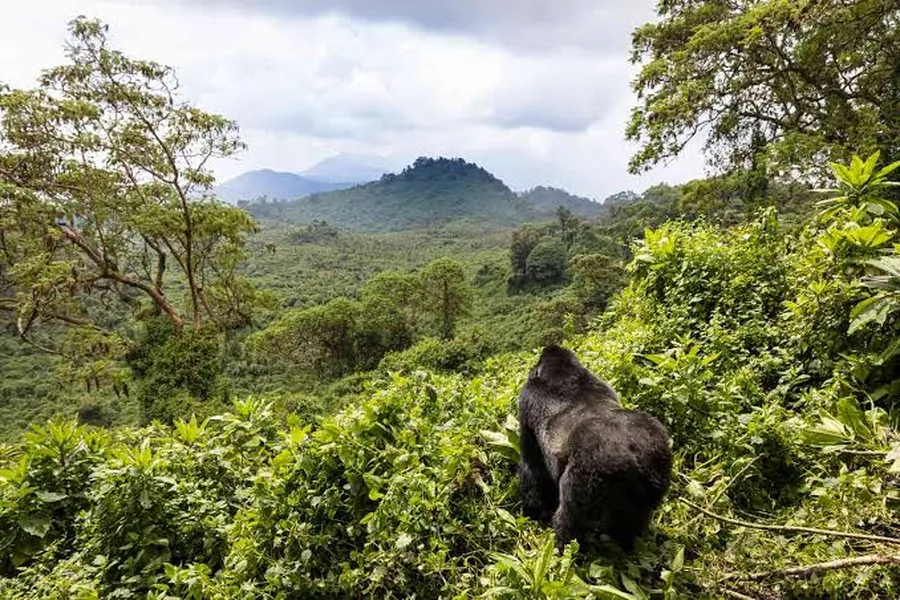
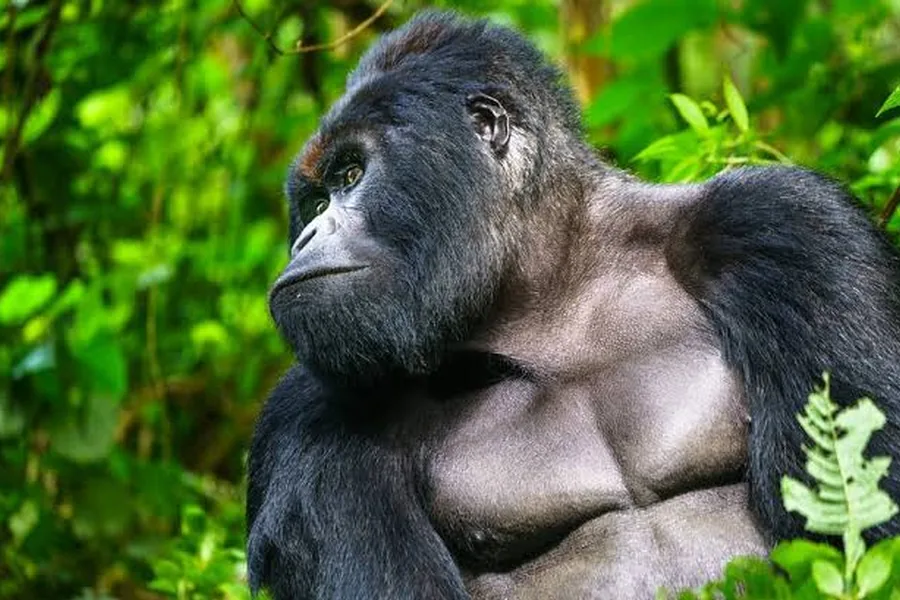
The centrepiece of every Rwanda trip: a chain of six dormant volcanoes rising from the northwestern highlands, draped in dense afromontane forest, and home to ten habituated gorilla troops receiving visitors daily. The park is more compact than Uganda's Bwindi, which means gorillas are generally found more quickly, and treks average two to four hours rather than full-day expeditions. The volcanic backdrop of misty peaks and emerald hillsides makes the trekking environment beautiful. Golden monkey tracking in the bamboo forests is accessible to children 12 and above.
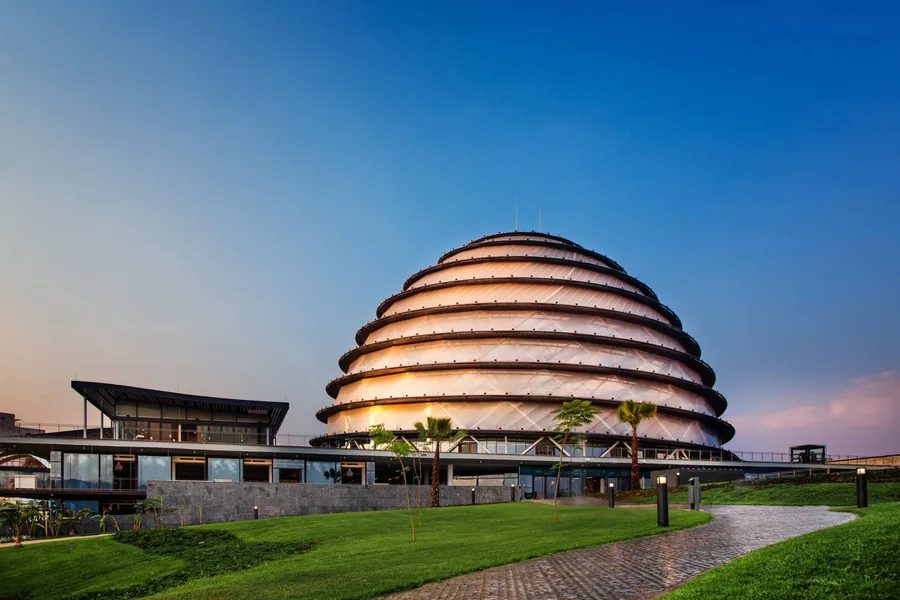
I often build a few nights in Kigali into my Rwanda itineraries and families who expect a transit city are consistently surprised. Kigali is clean, safe, organised, and interesting: a city that has rebuilt itself from the ground up over three decades. The Kigali Genocide Memorial is one of the most carefully curated memorials I have visited anywhere (recommended for teenagers 15 and above). The restaurant scene is excellent and Kimironko market a must-visit.
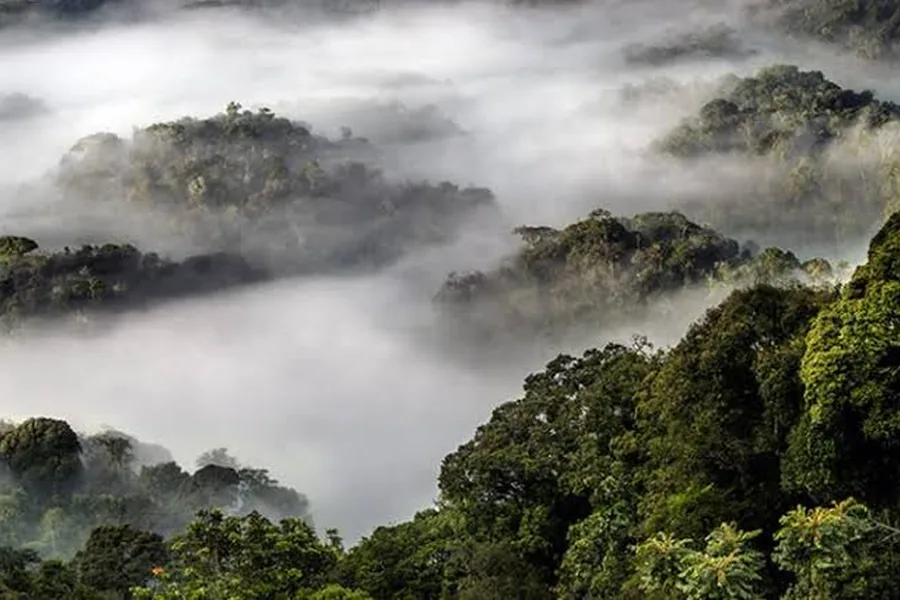
Rwanda's extraordinary southern rainforest: one of the oldest and most biodiverse montane forests in Africa, covering 1,019 square kilometres of mist-covered hills. Home to thirteen primate species including chimpanzees and colobus monkeys. The chimpanzee trekking is excellent: less well-known than Kibale in Uganda, but with equally rewarding encounters. The canopy walkway, suspended 50 metres above the forest floor, is one of only a handful in Africa and children find it thrilling.
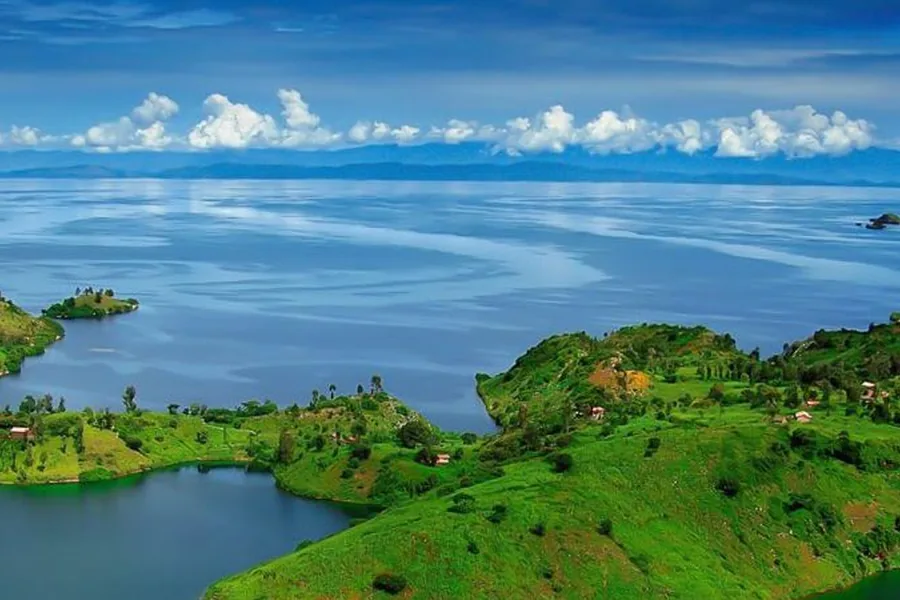
The most beautiful and most overlooked part of Rwanda: a vast, deep lake on the Congo border, dotted with forested islands, fringed with fishing villages and terraced hillsides. Lake Kivu is the perfect complement to the intensity of the forest and the emotional weight of Kigali: unhurried, beautiful, and completely relaxing. Kayaking between islands, sailing on traditional fishing pirogues, or simply sitting on a terrace watching the sunset. Kivu gives families the decompression that Zanzibar gives Tanzania visitors.
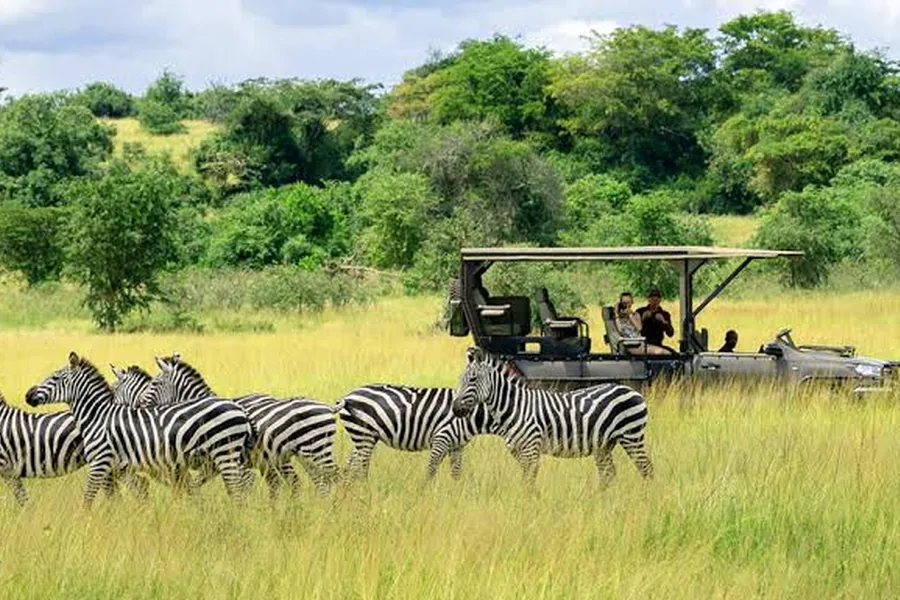
One of Africa's most remarkable conservation success stories: a savannah park in eastern Rwanda on the Tanzania border that was almost completely poached out after the 1994 genocide, and has been painstakingly restored by African Parks over the past decade. Lions were reintroduced in 2015, black rhino in 2017, and the park now holds the Big 5 in a beautiful landscape of lakes, papyrus swamps, and rolling savannah.
The landscape that defines Rwanda's northwest: a chain of volcanoes straddling the borders of Rwanda, Uganda, and the DRC, rising above 4,500 metres and draped in a patchwork of forest, farmland, and tea plantation. The hiking beyond the gorilla trek itself is spectacular: Mount Bisoke's crater lake, Karisimbi's summit (Africa's fifth highest), and the extraordinary Musanze Caves. For adventurous families with teenagers who want physical challenge alongside the wildlife.
Rwanda by season.
Rwanda's equatorial position gives it two dry and two wet seasons, and gorillas can be tracked in all of them. Here's how I think about timing for families.
The finest trekking window: trails are at their firmest, vegetation thinner and gorillas easier to follow. Days are clear and cool at altitude. Akagera's game viewing is excellent. The most in-demand window, so permits and lodges need to be secured well in advance.
Rwanda's second dry window: trails in good condition, gorillas fully accessible, and the highland landscape at its most beautiful. Christmas and New Year in Rwanda is special. Permits more readily available than in the summer peak.
Shorter and lighter than the long rains. The forest is extraordinarily lush and photogenic, and gorilla trekking remains fully operational. Trails are wetter but manageable. Permit availability is good. Lake Kivu and Nyungwe are beautiful in the green season.
The heaviest rains: trails in Volcanoes Park are at their most slippery and the trek most demanding. Gorillas are tracked regardless. Not a period I'd recommend for first-time visitors. For fit, adventurous families happy to get very wet, permits are at their cheapest.
What every family needs to know before they go.
Rwanda or Uganda: which is right for you?
The short comparison: Rwanda's permits cost USD $1,500 per person versus Uganda's USD $700. Rwanda's treks are generally shorter and the infrastructure more polished. Uganda's Bwindi is wilder, more remote, and for many families the rawer experience is more powerful. Both are extraordinary, and the right choice depends on your budget, how much the adventure element matters, and whether you want to combine with other East Africa destinations.
Two gorilla treks: worth every penny
At USD $1,500 per permit, two trek days per person is significant. But if the budget allows, do it. The experience is profoundly different each time: a different troop, different behaviour, different forest light. Families consistently say the second day felt like a completely new experience, as the gorillas become less surprising and more real. I build two trek days into every Rwanda itinerary I design.
Don't underestimate Kigali
I would never skip Kigali to save time for another park. The city is remarkable: clean, safe, architecturally interesting, with a food scene that surprises every family. The Genocide Memorial is among the most thoughtfully presented in the world. Recommended for teenagers 15 and above. Give Kigali two nights minimum: one to arrive and explore, one for the memorial and the market.
Include Lake Kivu if you have the time
Many Rwanda itineraries skip Lake Kivu in favour of more time in Volcanoes Park or Nyungwe, and I regularly push back. The lake provides what the forest cannot: complete decompression and extraordinary beauty in a different register. After the physical demands of the trek and the emotional weight of Kigali, two nights on Kivu's shore restores families in a way that going straight to the airport does not.
Always hire a porter for the gorilla trek
Porters are available at the Volcanoes Park trailheads and cost approximately USD $15-20 for the trek. They carry your bag, support you on steep descents, and make a material difference to how much energy you have when you finally reach the gorillas. I recommend porters for every member of every family regardless of fitness level. It also directly benefits local families.
Add Akagera for families with younger children
If your family includes children under 15 who can't do the gorilla trek, Akagera in eastern Rwanda gives them an extraordinary alternative. The park's Big 5 restoration is one of conservation's great success stories. Lions were reintroduced in 2015 and black rhino in 2017, all from scratch after the genocide. Game drives and lake boat safaris work beautifully for all ages.
Ready to start planning your family adventure to Rwanda?
Tell me the ages of everyone travelling, whether you're choosing Rwanda or considering Uganda, and what the trip needs to mean for your family. I'll design the itinerary, secure the gorilla permits, and make sure the logistics are seamless from arrival to departure. No obligation. No pressure.