
Botswana family safari: which camps and regions work with children
Botswana keeps its wilderness deliberately empty. Small camps, high prices, no roads between much of it. The government decided decades ago to trade volume for space, and the result is a kind of quiet you don't find anywhere else on the continent. For families, that same quality is exactly what makes it a considered choice rather than a first one. Get the region, the camp and the ages right and it's one of the most moving trips I plan. Get them wrong and you've flown a long way, at real expense, for a pace some children simply aren't ready for.
So here's my honest, region-by-region view of where Botswana works with children and the kind of camp I'd put you in within each.
Age is the thing that decides it
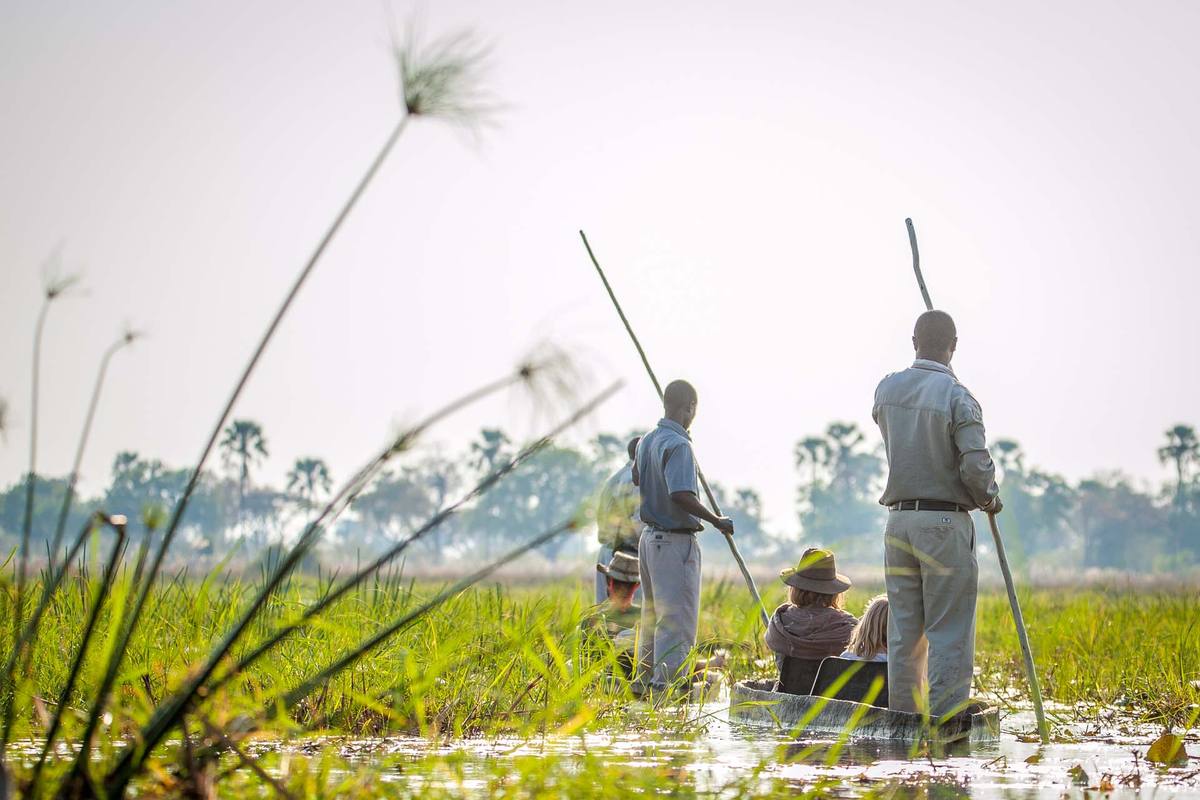
Before regions, before camps, there's age. I don't recommend Botswana for under-sevens, and most of the Okavango works best from eight upward. The mokoro, the traditional dugout canoe poled silently through the Delta's channels, needs a child who can sit calm and quiet for an hour or so, which in practice means about seven and up. Much of the magic here is subtle: the tracks in the sand, the hush before a wild dog appears, the sky at night. Younger children want lions every ten minutes, and Botswana doesn't work that way.
If your children aren't quite there yet, of course that's fine. Botswana rewards patience, in the planning as much as on the ground.
The regions, and how they suit children
Most Botswana trips combine two or three areas, hopping between them by light aircraft. Each suits a different age and temperament.
- Okavango Delta (Moremi). Water, mokoro, elephants at the waterline; camps with family units
- Linyanti & Kwando. Private concessions mean off-road driving, walking and flexibility kids need
- Chobe (via Kasane). Road-accessible, boat safaris, easy pace; the gentlest entry point
- Makgadikgadi Pans. Quad bikes, meerkats, sleep-outs, stargazing — active and hands-on
- Central Kalahari. Remote, cultural, subtle. Better for older, experienced children
- Victoria Falls (Kasane). A dramatic day or two to bookend the wilderness and suitable for any age.
The Okavango Delta (Moremi) is the heart of it — floodwater from Angola spreading across the Kalahari into a maze of channels and palm islands. For families I lean toward camps in or bordering Moremi with proper family accommodation and a private vehicle option, so your guide can shape the day around your children rather than a fixed group. The mokoro here is, without fail, the thing they talk about for years. It's unlike any other safari activity in Africa.
The Linyanti and Kwando concessions in the north are my favourite for families with slightly older children who want more freedom. Because these are private concessions rather than national park, camps can drive off-road to a sighting, walk, and go out after dark, none of which you can do inside Moremi. Fewer vehicles, more flexibility, and some of the best predator sightings in the country, wild dog especially.
Chobe, reached by road from Kasane, is the gentlest way in. The elephant densities along the river are extraordinarily high, the sunset boat safari asks nothing of a child but to sit and watch, and you're an easy hop from Victoria Falls. If a family is nervous about whether Botswana is "too much," Chobe is where I often begin.
The Makgadikgadi Pans are, to my mind, the most underrated region for children. In the dry months the salt pans are vast and silent, and the right camp turns that into pure adventure, quad bikes across the crust, a morning with a habituated meerkat colony, sleeping out under the Milky Way. My own two children still talk about the meerkat experience at San Camp. This is where Botswana stops feeling grown-up and becomes an all-ages adventure.
The Central Kalahari I'd save for older or well-travelled children. It's remote, the wildlife is spread thin, and the reward is a deeper cultural experience with the San Bushmen, one of the oldest cultures on earth. One of my favourite mornings anywhere was spent walking with a San guide, my children learning to read tracks in the sand and start a fire with sticks.
Victoria Falls, technically over the border in Zambia but easily reached via Kasane, is how many of my Botswana families finish: a night or two of sheer scale and sound after days of subtlety.
What kind of camp actually works with children
Region gets you halfway; the camp itself does the rest. When I place a family in Botswana, I'm looking for a specific set of things that rarely make it into a brochure:
Family tents or interconnecting units, so no child sleeps alone in the bush. A private vehicle and guide wherever the budget allows, because a guide who can adapt to a seven-year-old's attention span changes the whole trip. Flexible mealtimes rather than a fixed late dinner. A pool for the heat of the day. Guides who can relate to children and turn a drive into a hunt for tracks and dung beetles. And, ideally, a private-concession location so walking and off-road driving are on the table.
A number of Botswana camps set minimum ages of eight or twelve, or run on a rhythm built for honeymooners. Knowing which welcome children well and which only say they do is most of my job here. I keep a working shortlist of the specific camps I'd put your family in by region and budget; happy to drop those into a follow-up once I know your ages and dates.
For a milestone trip, or three generations travelling together, the answer is sometimes a small camp taken on an exclusive-use basis, which is what our private stays are for.
The practical things to know
A few realities I'd want you to have before you fall in love with the idea:
Unless you want long drives whilst navigating potholes, getting around is mainly by light aircraft (5-to-12-seaters) flying low over the wetlands, which children find thrilling. Its like a bush bus! Luggage is strictly limited, usually 15kg per person in a soft bag.
Botswana carries a malaria risk in the Okavango and Chobe, so we'll talk that through honestly for your family's ages. It's also the priciest safari country in Africa by design, starting from around $8,000 per person excluding flights, which is part of the honest budgeting conversation I'd always rather have early.
And it books up further ahead than anywhere else. For peak dry season, which is July to October and my recommendation for a first Botswana trip, the best family camps sell out 12 to 18 months in advance. If you're picturing next summer, the planning really does need to start now. The May-to-June shoulder is my value pick if you'd like the quality without the peak premium.
How I'd combine it for a family
For a first Botswana trip with children, I most often pair the Delta with the Makgadikgadi, the water and wildlife of Moremi, then the space and activity of the pans, so the trip has variety and a change of pace built in. Add Chobe and Victoria Falls and you have one of the great southern Africa journeys, wilderness followed by raw power.
If your family wants to end on a beach, and after the intensity of Botswana, many do, the Delta pairs beautifully with the Indian Ocean. It's exactly the safari-and-beach rhythm I think works best for families, whether that's Mozambique's islands or a swing through Zimbabwe on the way. If it turns out this isn't quite your year for Botswana, South Africa is where I'd send you first.
Botswana isn't the easiest family trip in Africa. But for the right children, at the right age, in the right camp, there's nowhere like it. If you tell me your children's ages, your dates, and whether you've done Africa before, I'll tell you honestly whether now is the moment, and if it is, let's make a let's make a plan together.
More from the journal
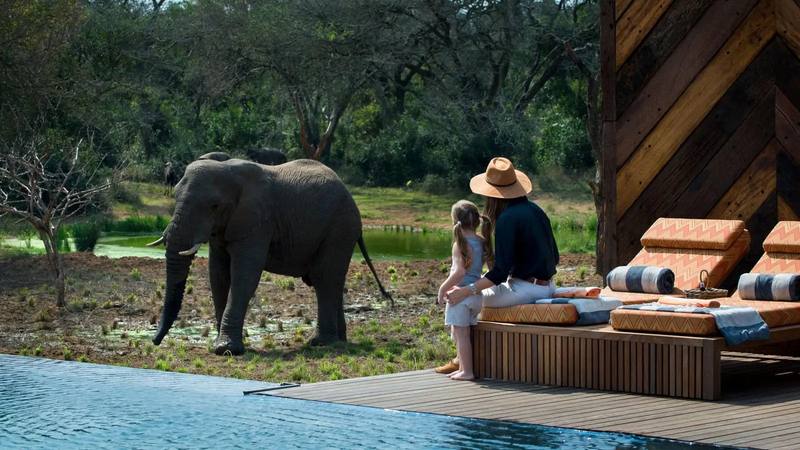
Bring everyone: how to plan a multi-generational family trip to Africa
How I plan trips for three generations: leaving space in the agenda, pacing for the oldest and youngest, and where in Africa works best for grandparents and children.
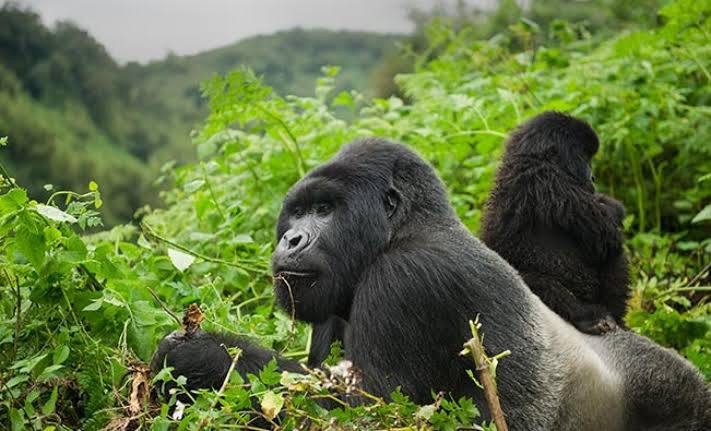
Gorilla trekking with children: the age rule, and how to plan around it
The minimum age for gorilla trekking is 15. Here is how I plan around it: Rwanda or Uganda, options for younger siblings, and when to book.
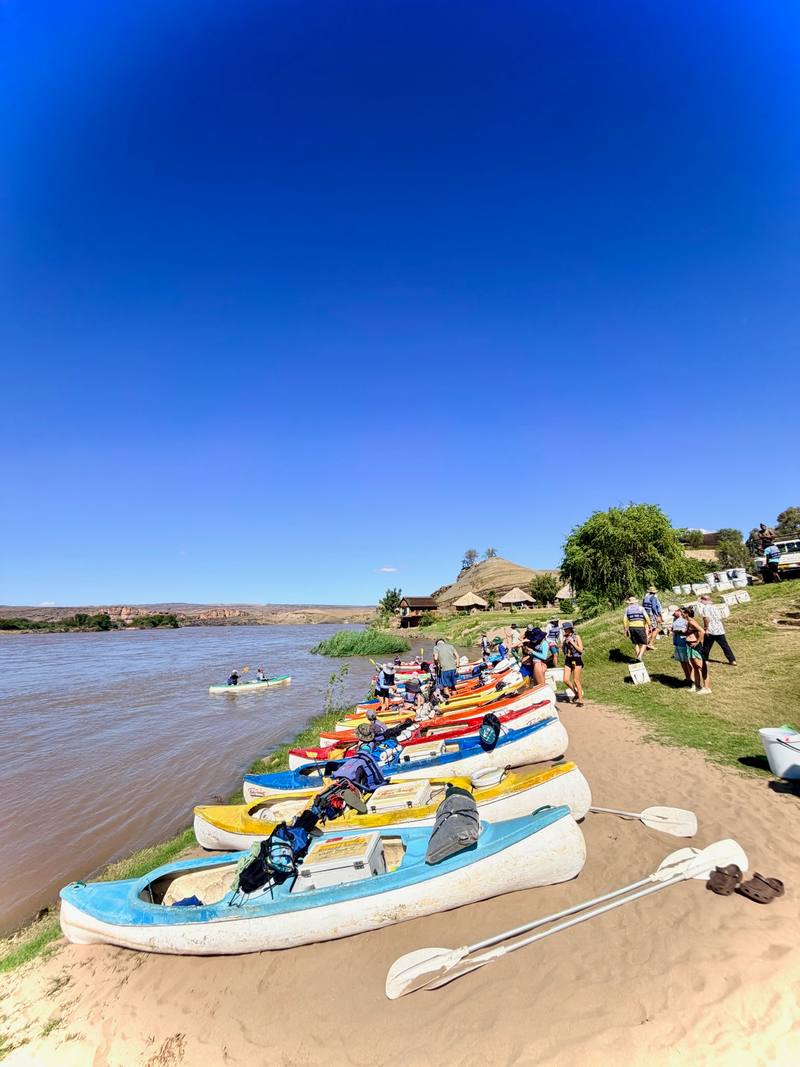
Rafting the Orange River with children: four days, eight families, no signal
A first-hand account of a four-day Orange River rafting trip with eight families: the drive from Cape Town, life on the river, and which families it suits.
Ready to start planning your holiday?
A free, no-obligation consultation call with Polly — talk through ideas, dates and budget.