
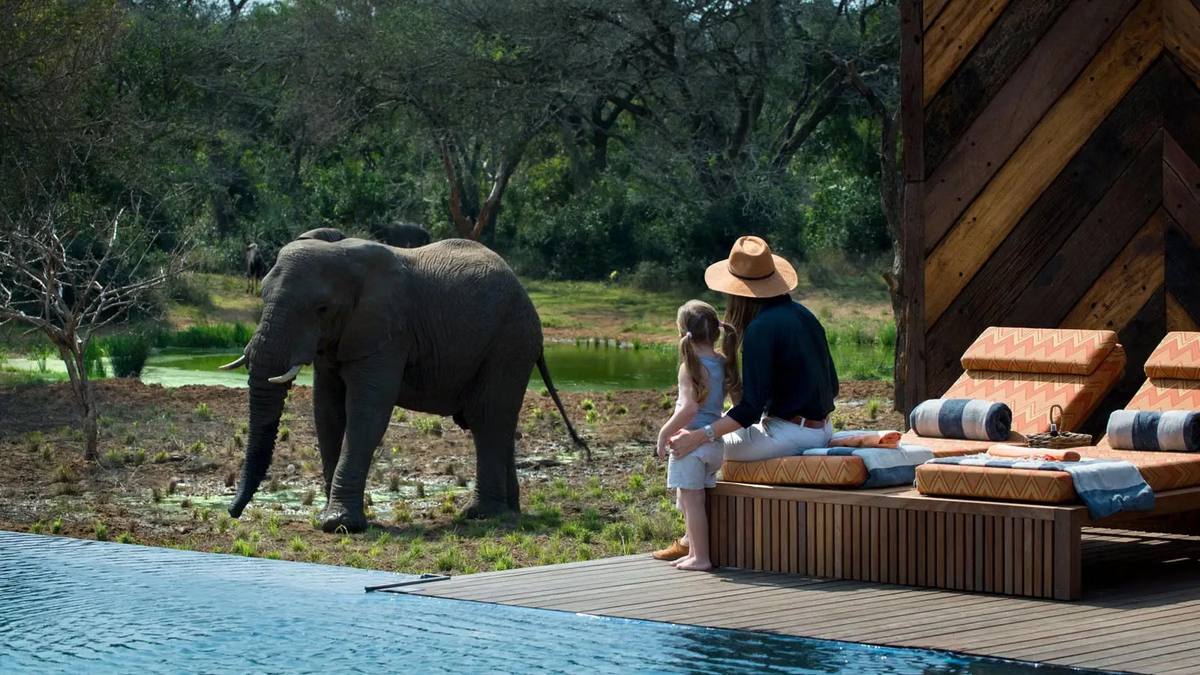
Bring everyone: how to plan a multi-generational family trip to Africa
For my parents' fiftieth wedding anniversary, we took the whole family on safari. Our children were seven and ten. We stayed at a lodge in Hluhluwe-iMfolozi Park in KwaZulu-Natal, rhino country, and one of the oldest game reserves in Africa.
I had planned plenty of family trips by then. What I hadn't planned for was how much of that trip would happen in the gaps.
The sightings were wonderful but what stayed with us were the slow hours in between: my parents and my children side by side on a drive, saying nothing, just watching. Long lunches where nobody was in a hurry to be anywhere. A kind of stillness three generations rarely get together at home.
That trip changed how I plan for families who want to bring everyone. A multi-generational trip needs a different rhythm from an ordinary holiday. It needs room for the time together to happen, rather than an agenda that fills every hour.
Why Africa works for three generations
A safari puts everyone in the same vehicle, looking at the same thing, at the same time. The seven-year-old spots the elephant, the grandparent has the binoculars, the teenager has the camera. Nobody needs to be good at anything.
Very few holidays level the field like that. A ski trip splits a family by ability. A city break splits it by stamina or interests. On a game drive, a seventy-five-year-old and a seven-year-old are equally absorbed.
There is a practical bonus for UK families too. South Africa is only an hour or two ahead of the UK, so there is barely any jet lag, and grandparents and small children both feel the difference.
The challenge: three trips travelling together
The hard part is not the destination. It is that a three-generation group has three different sets of needs:
- Grandparents want comfort, short transfers and an afternoon rest.
- Parents want time with their children, and some time without them.
- Children and teenagers want adventure, other children and the pool.
If you plan for only one group the others end up having a mediocre holiday.
My eight rules for planning a multi-generational trip
1. Leave space in the agenda. This is the lesson from my parents' anniversary. Do not fill every slot. Unscheduled afternoons, long lunches and lazy mornings are where the bonding happens. I build these gaps in deliberately, so they cannot be squeezed out by another activity.
2. Plan around the least mobile person and the youngest child. Every transfer, step and early start should work for them. If it does, it works for everyone.
3. Fewer stops, longer stays. Every move costs most of a day, and the oldest and youngest feel it most. For a group I usually suggest three or four nights in each place, and no more than three bases in total.
4. Stay together, but not on top of each other. A private house or exclusive-use villa gives you your own space and pool, with separate rooms for each branch of the family. If a whole house is not available, a cluster of family suites close together works well.
5. Have your own vehicle and guide. On a shared vehicle you are tied to other guests' plans. With your own, the drive can head back early when the youngest flags, or stay out longer when the grandparents are enjoying it. Many lodges offer this at extra cost, and it often comes with an exclusive-use house.
6. Build in time apart as well as together. Not every activity suits every age. I plan parallel options: a bush walk for parents and teenagers while grandparents and younger children have a pool afternoon. Everyone meets again for sundowners with a story to tell.
7. Choose logistics that suit everyone. Light aircraft are a wonderful way to reach remote camps, but they come with steep steps, small cabins and strict soft-bag luggage limits. Good roads, short transfers or a private charter can suit grandparents better. I weigh this up first, because it shapes where you can go.
8. Settle health questions early. Malaria prophylaxis, long flights and heat affect older travellers and young children differently, so talk to your doctor early. Malaria-free reserves take one decision off the table, and good travel insurance matters at every age.
Where works well for three generations
South Africa is the easiest place to start. There are malaria-free reserves in the Eastern Cape and Madikwe, good roads and short flights. KwaZulu-Natal pairs reserves like Hluhluwe-iMfolozi with the warm Indian Ocean coast, and Cape Town and the Winelands add gentler days. The trade-off is a less remote feel than East Africa or Botswana. It suits first safaris, very young children and less mobile grandparents.
Kenya offers private conservancies in Laikipia with flexible activities, and Diani makes an easy beach finish. It is a malaria area, and you will need light aircraft between regions. It suits active grandparents and mixed ages. More in my Kenya guide.
Botswana means the Okavango Delta: wild and remote, with small camps and time on the water. Access is by light aircraft only, and some camps set minimum ages for children. It suits mobile grandparents and older children. More in my Botswana guide.
Tanzania has big wildlife, and the Great Migration at the right time of year, with Zanzibar to finish. The drives on the northern circuit are long and rough. It suits robust grandparents and teenagers.
Mozambique is beach and island time at a slow pace, best paired with a safari elsewhere. It is the rest-and-reconnect end of a trip.
What a trip can look like
Whilst not going into specifics, here is a shape I often use for three generations, covering around twelve nights in total:
- Cape Town, four nights. Settle in after the flight with gentle days, the beaches and a day in the Winelands. See my Cape Town guide.
- A safari reserve, four or five nights. A private house with your own guide and vehicle, and afternoons left free.
- A slower finish, three nights. The KwaZulu-Natal or Mozambique coast, or the Winelands. See my safari and beach combinations.
Every family's version is different, but the rhythm works well: arrive gently, give the safari room, end slowly, and on a high.
When it may not be the right trip
- Mobility is very limited. Tell me early. Some lodges have step-free rooms and adapted vehicles, but many do not, and it narrows the choice.
- The family rarely spends long stretches together. Time in a remote lodge magnifies how a group gets on, for better or worse.
- Someone's priority is serious photography or long walking days. A group pace may frustrate them. I can build a few days of that in for them, but it needs planning.
For more on what works at each age, see my plan by age guide, and for timing, my booking calendar.
The part families remember
When I think back to my parents' anniversary, I don't think first of a particular sighting. I think of the quiet. Three generations with nowhere else to be, finally on the same clock.
That is what a multi-generational trip can give a family, if you leave it the space. The animals bring everyone together. The slow time is what keeps them there.
If you are thinking about bringing everyone, tell me who is coming and roughly when, and I will help you work out what fits. Tell me about your family.
Frequently asked questions
Is a safari suitable for grandparents?
Yes, for most. The key is pacing, comfortable transfers and a lodge that suits their mobility. Game drives are seated, and an afternoon rest is part of the day at most lodges.
What is the minimum age for children on safari?
It varies by lodge and activity. Many lodges welcome all ages, some set minimums for game drives, and walking safaris are usually for older children.
How far ahead should we book a multi-generational trip?
Earlier than for a single family. Private houses and family suites are limited and go first, especially in school holidays. For peak dates I suggest a year or more.
Can we have our own guide and vehicle?
Yes, at many lodges, usually at extra cost. For a larger group it often makes the whole trip work.
Do we need malaria tablets?
It depends on where you go. South Africa has excellent malaria-free reserves. For anywhere else, speak to your doctor, particularly for older travellers and young children.
More from the journal
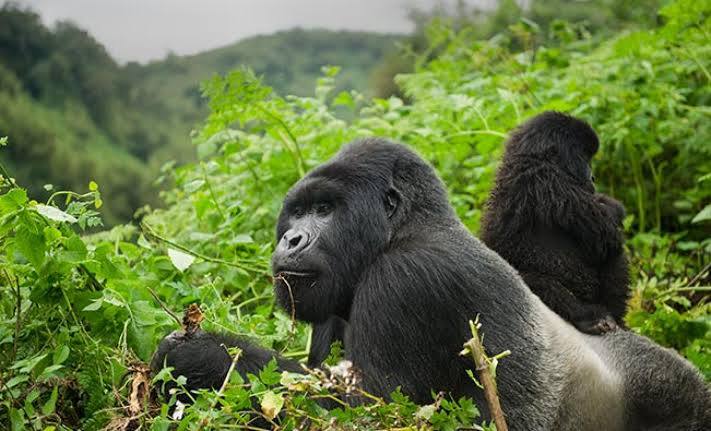
Gorilla trekking with children: the age rule, and how to plan around it
The minimum age for gorilla trekking is 15. Here is how I plan around it: Rwanda or Uganda, options for younger siblings, and when to book.
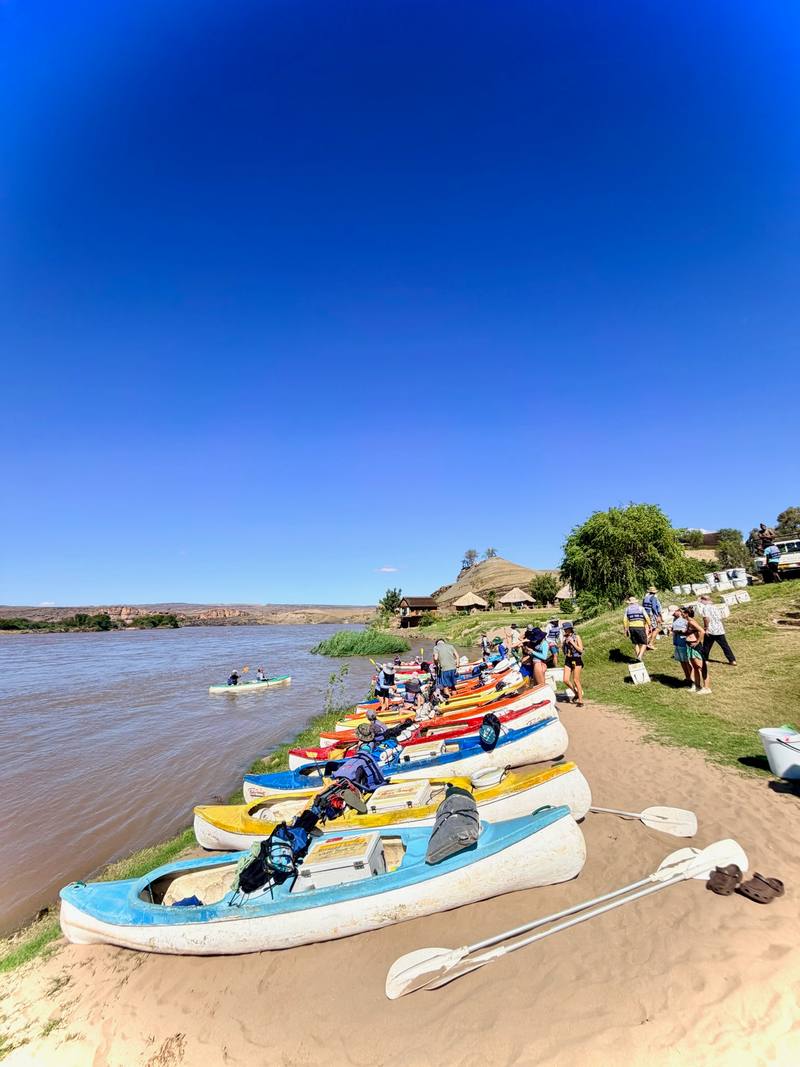
Rafting the Orange River with children: four days, eight families, no signal
A first-hand account of a four-day Orange River rafting trip with eight families: the drive from Cape Town, life on the river, and which families it suits.
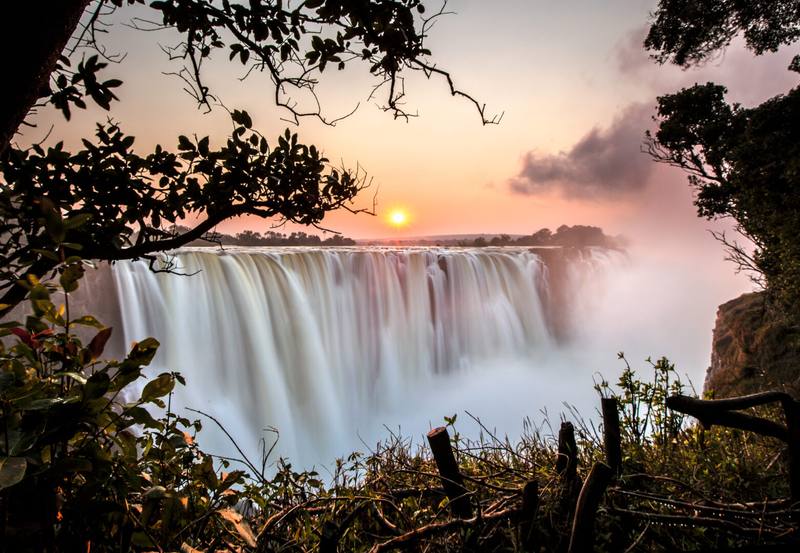
Victoria Falls With Kids: Zambia or Zimbabwe, and When to Go
Victoria Falls with children: which side to choose, Zambia or Zimbabwe, when to go for the best view, Devil's Pool age rules and what's worth doing. A specialist's family guide.
Ready to start planning your holiday?
A free, no-obligation consultation call with Polly — talk through ideas, dates and budget.