

How far ahead should you book an African family safari? My planning calendar
Most families come to me with the safari destination roughly decided upon. Perhaps Kenya for a bush and beach holiday, South Africa for a first trip or Botswana because they'd like to experience the delta. What clients rarely think about is the calendar sitting behind all of it: not which month to travel, but how many months before travelling you need to book, to give yourself the best chance of building the trip exactly the way you want it to be.
It is the quiet part of planning a family trip to Africa, and it is the part that decides whether you get the trip you pictured or the trip that happened to still have space. So here is what I tell families when they ask me how early is early enough, laid out country by country, with the reasons behind each answer.
The short version
For peak family season, roughly the northern-hemisphere summer holidays, I like to plan around 10 to 12 months ahead. For the smallest camps and the trips built around a permit or a river crossing, closer to 12 to 18 months is better. For the quieter shoulder months, 6 to 9 months is usually enough for lovely properties.
If that sounds a long way off, it is worth understanding why, because the reason is not urgency for its own sake. It is simply arithmetic.
Why the good spots fill up so early
A family safari is not held up by a shortage of Africa. It is held up by a shortage of the specific things that make a family trip work for different aged children.
Often the best family camps are small. Many hold fewer than twenty guests, and only a handful of their rooms are the interconnecting or family configurations you need when you are travelling with children. Those few rooms are what sell out first, long before the camp itself is full.
On top of that, families normally cluster into the same few weeks of the year, because everyone is tied to the same school holidays. And several of the most sought-after experiences, the ones people build an entire trip around, are capped by nature or by government. A river crossing happens where the herds are, not where there is availability. A gorilla permit exists in fixed daily numbers or it does not exist at all.
Put those three things together, limited rooms, shared holiday weeks, capped experiences, and you can see why the calendar gets full so far in advance.
The planning calendar
Below is the ideal planning time:
South Africa: Family suites in malaria-free reserves; festive-season Cape Town. 10 to 12 months (12+ for Dec to Jan in Cape Town)
Kenya: Small Masai Mara camps for the migration crossings (Jul to Oct), 12 to 15 months for peak migration
Tanzania: Northern Serengeti crossing camps; mobile calving-season camps. 12+ months for Jul to Oct; 9 to 12 for the Jan to Feb calving
Rwanda: Daily-capped gorilla permits, plus a short list of lodges. 9 to 12 months, permits first
Uganda. Daily-capped gorilla and chimpanzee permits; remote lodges. 9 to 12 months
Botswana: Tiny Okavango Delta camps with very few beds, and best family camps on the pans 12 to 18 months for Jun to Sep
Namibia: Popular self-drive lodges and a few desert camps. 8 to 10 months
Zambia: Seasonal walking-safari bush camps (open roughly Jun to Oct). 10 to 12 months
Zimbabwe: Hwange and Mana Pools camps; Victoria Falls at peak. 10 to 12 months
Mozambique: A handful of island villas and lodges. 10 to 12 months (12 for the festive season)
What if you have left it later than this?
A lovely client (family of four) recently returned from Kenya, having had the most fantastic time. The lead time from first call to landing in Nairobi? Eight weeks. In fact, before you worry too much about lead times, plenty of the best trips I have planned came together on a shorter runway, so please do not read any of the above as a closed door.
The shoulder months, May, June, September, October, offer game viewing that is close to peak, often with fewer vehicles and kinder rates, and they hold their availability far longer. Camps release cancellations. Slightly less famous reserves next door to the marquee names are frequently just as good for a family and half as booked (and sometimes half the price). If your children are not yet school age, or you have any flexibility on term dates, you can travel in the quieter weeks and the calendar opens up considerably.
In short, late notice narrows choices. It rarely removes the trip.
The one habit that solves this
The families who never have this problem share a single habit: they think about the next trip while the memory of the last one is still fresh. Not to rush the decision, but to protect the version of the trip they want, at the pace it deserves.
If a particular month or a particular experience is fixed for your family, the migration, the Delta flood, a gorilla trek, a river crossing, Cape Town over New Year, that is the moment to work backwards from.
As the saying goes, the best time to plant a tree was 80 years ago, the second best is today. So if you are worried that you might have left your planning too late, please get in touch as soon as possible and let's see what we can do to make your dream Africa trip happen.
Frequently asked questions
How far in advance should you book an African family safari?
For peak family season (the northern-hemisphere summer holidays) ideally start to plan around 10 to 12 months ahead. Trips built around the smallest camps or a capped experience, such as the Botswana Delta, the Serengeti and Mara migration crossings, or gorilla trekking in Rwanda and Uganda, are better secured 12 to 18 months out. For the shoulder months, 6 to 9 months is usually enough for excellent properties. Shorter than 6 months out and you may have to. make concessions on where you stay or what you do.
Why do family safaris need to be booked so much earlier than other holidays?
Three reasons add up. The best family camps are small and hold only a few interconnecting or family rooms. Families all travel in the same school-holiday weeks. And several headline experiences, are often limited in number by nature or by governments rather than by demand. The family-suitable part of a camp sells out well before the camp itself.
When is the best time to travel, and does that change how early I book?
The dry season, roughly May to October, is the strongest window for game viewing across southern and East Africa, and it aligns closely with the UK and US summer holidays. Because so many families target those same weeks, the peak-season window is also the one that needs the longest lead time. Travelling in the shoulder months eases the booking pressure as well as the price.
How far ahead do I need to book gorilla trekking in Rwanda or Uganda?
Gorilla permits are released in fixed daily numbers, so they, rather than the lodges, set the timeline. For the popular drier trekking months, I secure permits 9 to 12 months ahead and build the itinerary around them. Because gorilla trekking carries a minimum age, this is a trip best suited to families with teenagers.
What sells out first at a family safari lodge?
The family-shaped inventory: interconnecting and family rooms, and the private family vehicle. Then any capped elements such as a permit or a mobile-camp tent. General availability goes last, which is why a lodge can still have space while the parts a family needs are long gone.
What if I have left it too late for the trip I wanted?
The trip is rarely lost, the choices are just narrower. The shoulder months hold availability much longer, cancellations come up, and quieter reserves beside the famous ones are often just as good for a family. Flexibility on dates, especially with pre-school children, opens the calendar considerably.
More from the journal
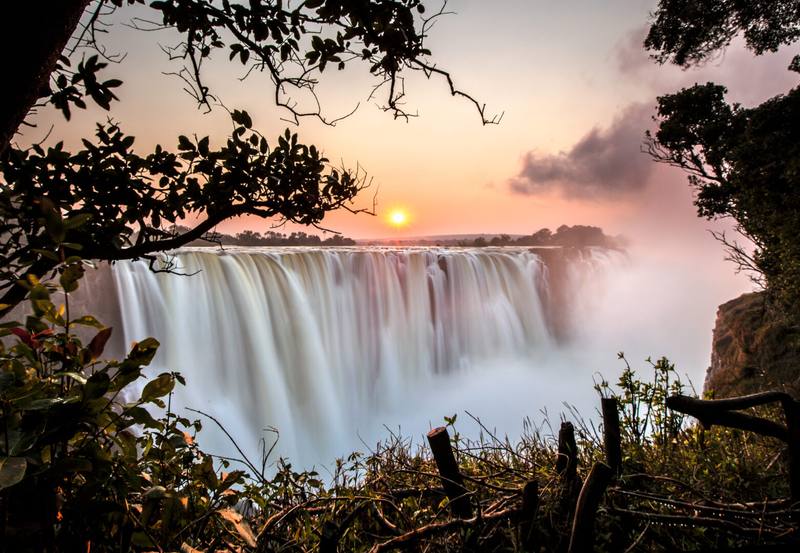
Victoria Falls With Kids: Zambia or Zimbabwe, and When to Go
Victoria Falls with children: which side to choose, Zambia or Zimbabwe, when to go for the best view, Devil's Pool age rules and what's worth doing. A specialist's family guide.
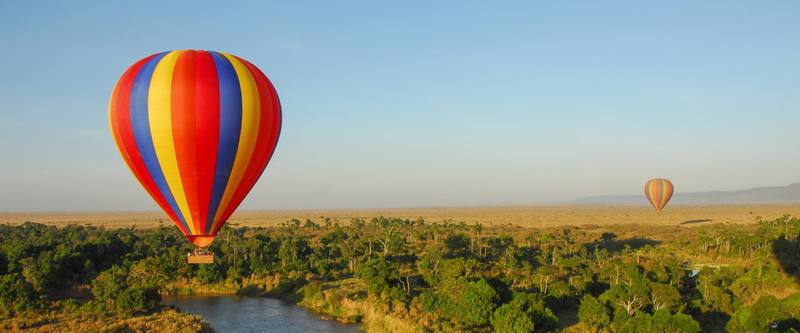
The best month to travel to… A Journey South guide to timing your African family adventure
Wondering when to go on safari? Our month-by-month guide covers the best time to visit 10 African countries
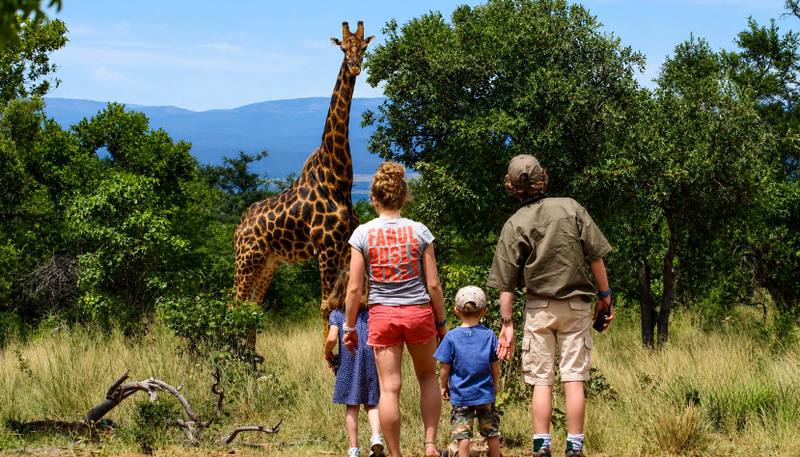
Malaria-free family safaris with young children: A parent's guide
A specialist's honest guide to malaria-free safaris with young children and how to plan a first African safari with toddlers and under-eights.
Ready to start planning your holiday?
A free, no-obligation consultation call with Polly — talk through ideas, dates and budget.