
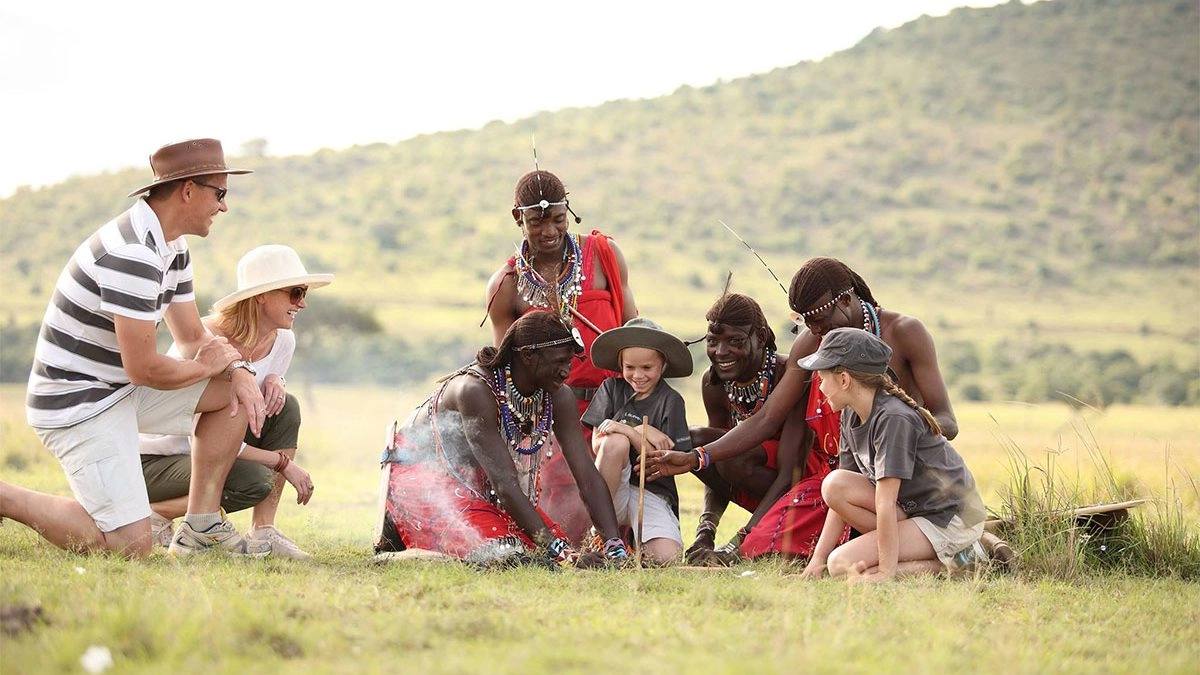
Six things to pack that won't fit in your suitcase
A recent client asked me what she should pack for her first trip to Africa with her two children. She had the practical list sorted; the sun cream, the neutral colours, the adapter that never quite fits, but what she really wanted to know was something harder to name: how to arrive in a way that would give her family the trip they were hoping for.
I've been travelling in Africa for over sixteen years, so I get to test my own advice fairly often. And the honest answer is that the best trips rarely came down to the itinerary. They came down to how people showed up. I can hep with the lodge, the flights, the timing but the six things below are the ones you bring yourself, and they matter more than anything I can organise for you.
1. Patience
Things don't always go to plan. A flight shifts by a few hours. The road that was fine last month now isn't. The elephant you drove out to see has, quite reasonably, decided to be somewhere else.
None of this is a failure of planning, it's the texture of travelling somewhere genuinely wild and alive. The families who struggle are the ones treating each hiccup as a problem to be solved. The families who have the best time treat the same moment as part of the story. Some of my favourite travel memories happened in the gap where the plan fell apart.
I think of a border crossing into Mozambique on a recent trip, the power out and the computers down, all of us stuck waiting for what turned into the best part of an hour. It could have been a miserable, clock-watching sort of morning. Instead it became a border party; people pulled out food and shared it around, the children made friends, and by the time the systems flickered back to life we were almost sorry to move on. Nothing about that was on the itinerary, and it's one of the moments we all remember most fondly from the trip (see more about this trip is on Instagram).
Build a little slack into your expectations and you'll find the delays are often where the trip actually happens.
2. Kindness
Kindness is the grease that keeps the wheels spinning. I mean that quite literally, a warm word to the person at the check-in desk, the guide, the woman running the little shop, tends to open doors that no amount of insistence will.
This isn't about being transactional. It's that so much of travel in Africa runs on human relationships rather than systems, and kindness is the currency those relationships trade in. Treat people well and you'll be astonished how far it carries you, and how much of the real place opens up as a result.
3. Generosity
You will very likely meet people who have far less than you do, materially. That can sit uncomfortably. But generosity here doesn't have to mean money, and often it shouldn't.
The most valuable thing you can give is your attention. Learning someone's name and using it. Asking about their family and actually listening. Buying directly from the person who made the thing rather than haggling them down to nothing. Children are wonderful at this kind of generosity because they haven't yet learned to be guarded. Let them lead.
4. Curiosity
Start the conversation. In my experience people across the continent are remarkably willing to engage. The cultures I've spent time in are open ones, and a genuine question is almost always welcomed rather than resented.
This is where children shine, and where a trip to Africa can quietly change them. Encourage them to ask things. Why do you herd the cattle that way? What's that bird? What do you cook for dinner? The answers are how a place stops being scenery and becomes real.
I think of my children, Oscar and Sienna, on the banks of the Limpopo last year, drawn into a football match with a group of local children. On paper they had almost nothing in common, different countries, different lives, not much shared language. But a ball and a shared love of the game were all it took, and within minutes they were a team. The bonds that afternoon built were real, and they came from the children simply going towards one another rather than hanging back.
5. A Sense of humour
A smile is rarely far from anyone's lips here, and laughter travels across language faster than almost anything else. When the plan wobbles the ability to laugh about it is worth more than any contingency I can write into your itinerary.
Don't take yourself too seriously. Be willing to be the one who gets it wrong, mispronounces the word, dances badly. People warm to it. A shared laugh is one of the quickest ways I know to turn strangers into the kind of company that makes a trip.
6. Respect
You are travelling through ancient cultures and civilisations. Some of the people you meet may not have many material things, but they are proud, rooted, and deserving of every bit of your respect.
In practice this means arriving as a guest, not a consumer. Ask before you photograph someone. Learn a few words of the local language - even a clumsy attempt is received as the courtesy it is. Dress with an awareness of where you are. Follow your guide's lead on local custom. Respect isn't a constraint on your trip; it's the thing that earns you the welcome that makes it worth taking.
Bringing it together
If I had to compress sixteen years of watching families travel into a single sentence, it would be this: come as a good guest, and Africa will meet you more than halfway. The patience, the kindness, the generosity, the curiosity, the humour, the respect, none of them cost anything, none of them go in the suitcase, and all of them will do more for your trip than the thread count of your sheets.
Get those right, and my job, the flights, the lodges, the routing, the ages of your children matched to the right places, becomes the easy part.
Frequently asked questions
What should I know before travelling to Africa with children? Beyond the practical planning, the biggest thing is mindset. Arrive with patience, curiosity and respect, and encourage your children to ask questions and engage. Families who travel this way consistently have richer experiences than those focused only on ticking off sightings.
Is it appropriate to give gifts or money to people you meet? Generosity is welcome, but attention and respect often matter more than money, and handing out cash or sweets to children can do more harm than good. Buying directly from local makers and engaging people as individuals is usually the more meaningful choice. Your guide can advise on what's appropriate locally.
How do I make sure I'm being respectful of local cultures? Ask before photographing people, learn a few words of the local language, dress with awareness of local norms, and follow your guide's lead on custom. Treat the people you meet as hosts rather than part of the scenery.
Do these behavioural tips apply across all African countries? The specifics of custom vary by country and community, but patience, kindness, generosity, curiosity, humour and respect travel well everywhere. A good local guide will help you apply them appropriately wherever you go.
I plans family trips across Africa. If you'd like a hand shaping a trip around your own family, start with the trip builder and we'll take it from there.
More from the journal
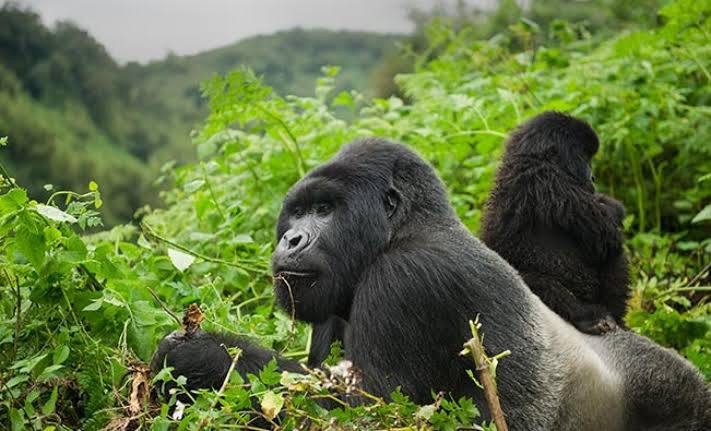
Gorilla trekking with children: the age rule, and how to plan around it
The minimum age for gorilla trekking is 15. Here is how I plan around it: Rwanda or Uganda, options for younger siblings, and when to book.
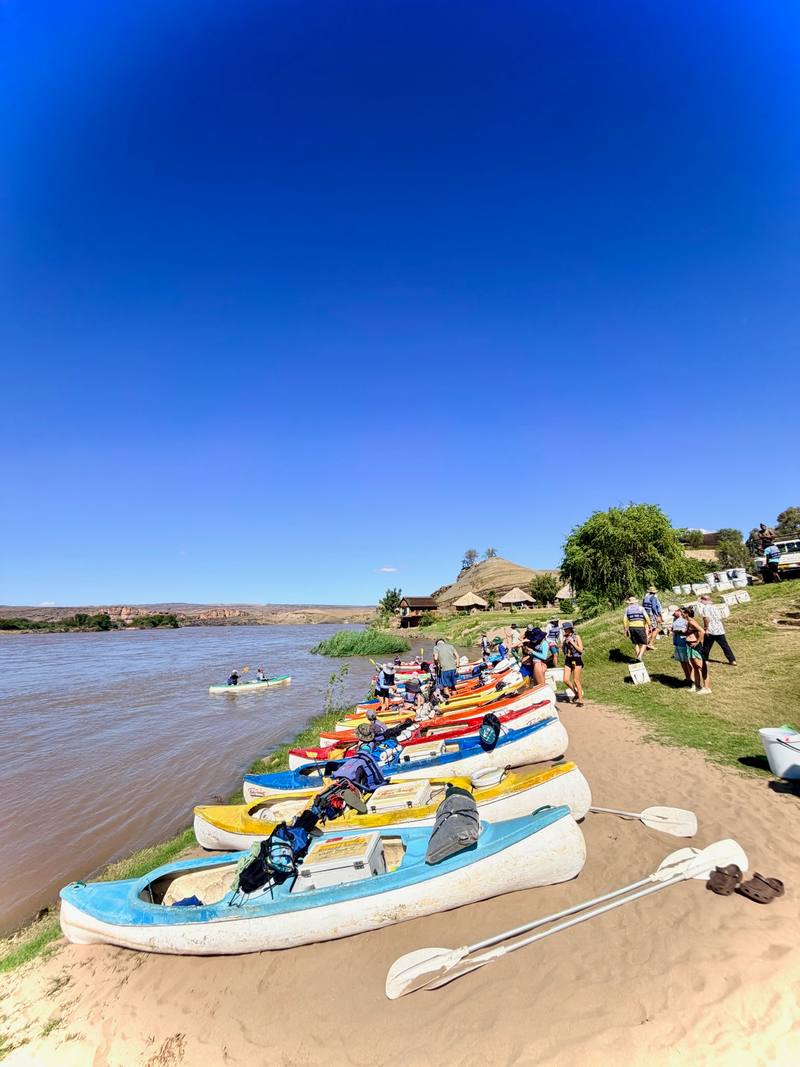
Rafting the Orange River with children: four days, eight families, no signal
A first-hand account of a four-day Orange River rafting trip with eight families: the drive from Cape Town, life on the river, and which families it suits.
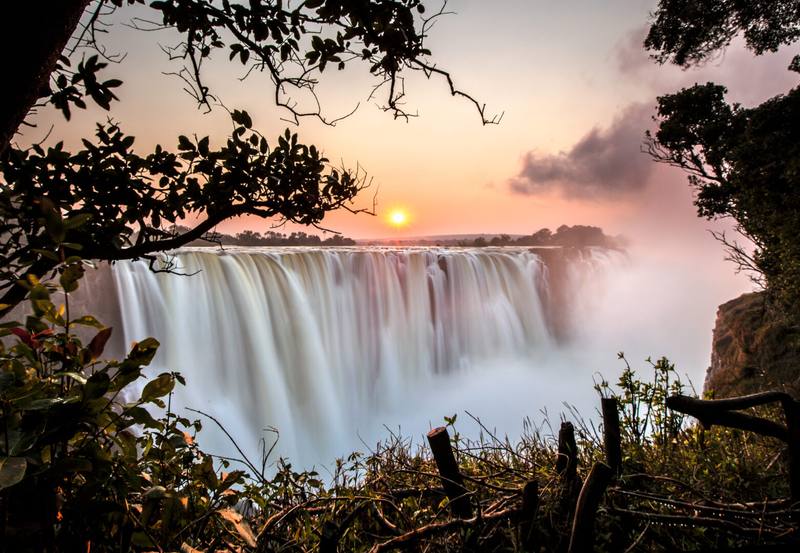
Victoria Falls With Kids: Zambia or Zimbabwe, and When to Go
Victoria Falls with children: which side to choose, Zambia or Zimbabwe, when to go for the best view, Devil's Pool age rules and what's worth doing. A specialist's family guide.
Ready to start planning your holiday?
A free, no-obligation consultation call with Polly — talk through ideas, dates and budget.