
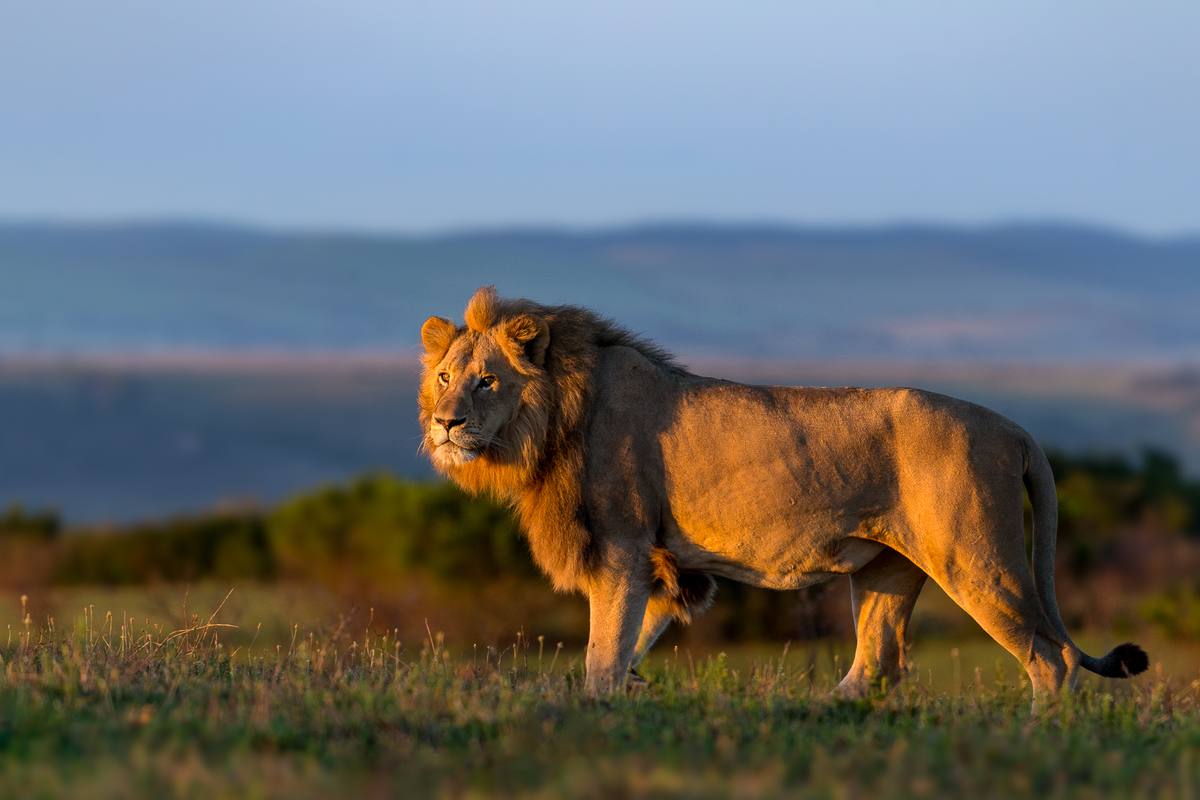
South Africa vs Kenya safari: Which is right for your family?
I get asked this question more than almost any other: South Africa or Kenya?
Both countries are extraordinary. Both will change your children forever. But they are not the same trip, and choosing the wrong one for your family's ages, priorities, and travel style is one of the most common mistakes I see families make.
The quick answer
Choose South Africa if: you have young children (especially under 10), want malaria-free options, want to combine safari with Cape Town or the coast, or are on a first-ever Africa trip.
Choose Kenya if: your children are older, you want to witness the Great Migration, you're after that classic sweeping savannah landscape, or you're combining East African destinations.
Most families I work with end up in South Africa first and return for Kenya later. That sequencing makes sense for reasons I'll explain below.
South Africa: What families get
South Africa's biggest advantage for families isn't just the malaria-free reserves, it's the variety. A typical 10-day family itinerary might start with three or four nights on safari in a private reserve, then connect to Cape Town for whale watching, penguins, and the best restaurant scene in Africa. That combination is simply not replicable anywhere else on the continent.
For younger children (under 10): Reserves like Madikwe, Pilanesberg, and the Eastern Cape are where I almost always start families. No malaria medication, drives that can be tailored to shorter windows, and lodges that have genuinely built their product around children, not just tolerated them. Many offer junior ranger programmes and wildlife tracking workshops that are some of the most powerful educational experiences I've seen kids have.
For reliable Big Five: Kruger's private concessions, particularly Sabi Sand, deliver some of the most consistent leopard sightings in Africa. The bush is denser than Kenya's open plains, which means tracking is more of an art, and the moment a leopard emerges from the undergrowth feels almost impossibly intimate.
The caveat: South Africa doesn't have the visual drama of the Migration, and the landscape is more enclosed than Kenya's sweeping horizon. If your family has specifically been dreaming of that classic National Geographic savannah scene, Kenya may be where their imagination is already set.
Kenya: What you're really going for
Kenya is where the safari myth was born. The Masai Mara shares the Serengeti ecosystem with Tanzania and is the stage for the Great Migration — roughly 1.5 million wildebeest and hundreds of thousands of zebra moving in a cycle between the two countries. The Mara River crossings, typically from July to October, are among the most dramatic wildlife spectacles on Earth.
Beyond the Migration, the Masai Mara is extraordinary predator country year-round. Lion prides are large and visible. The open landscape means you can see a hunt unfolding across a kilometre of grass in a way that South Africa's bush rarely allows.
The cultural dimension: Kenya's connection to Maasai communities gives families a depth of cultural encounter that South Africa struggles to match on the same terms. Your children can spend time with Samburu hosts or Maasai warriors in ways that become the moments they talk about for years.
Combining destinations: A Kenya trip pairs naturally with Tanzania (the Serengeti and Ngorongoro), gorilla trekking in Rwanda or Uganda, or beach time on the Kenyan coast or Zanzibar. If you're ready to commit to East Africa properly, Kenya is the anchor.
The caveat: Kenya demands more logistically. Getting between camps typically requires small charter flights. The safari focus is more singular — it's not easy to bolt on a city break in the same way as Cape Town. And if you're travelling with children under six, you'll face more restrictions on which lodges and activities are available.
The malaria question
This is the factor that changes the conversation for families with young children more than any other.
South Africa has genuinely malaria-free game reserves. Madikwe, Pilanesberg, the Waterberg, and the Eastern Cape reserves carry no ongoing malaria transmission risk. You can take young children there without antimalarial medication.
Kruger and KwaZulu-Natal in South Africa are low-to-moderate risk areas. Worth discussing with your GP before travelling, especially with under-fives.
Kenya carries a low-to-moderate malaria risk throughout, and prophylaxis is standard advice for all ages. The medication options for young children are limited and come with side effects. This doesn't make Kenya off-limits — many families do it successfully — but it adds a layer of planning and a consideration that some parents reasonably prefer to avoid entirely on a first Africa trip.
My honest view: if your children are under eight and this is your first Africa trip, start with a malaria-free South African reserve. Kenya will still be there — and your children will be ready for it.
What about cost?
Both destinations are premium when done well, but the pricing models differ.
South Africa gives you more optionality. You can combine a private reserve with self-drive days in the national parks, which significantly stretches your budget without sacrificing experience quality. A family of four can have an extraordinary safari week for less than the equivalent all-inclusive camp stay in the Masai Mara.
Kenya's remote camps are almost universally all-inclusive with charter flights baked in. The cost floor is higher, but there's less decision fatigue — you pay once and everything is covered. For some families, that simplicity is worth the premium.
My recommendation by family type
Young children (under 8), first Africa trip: South Africa — malaria-free reserve + Cape Town. Full stop.
Older children (8–14), second or third Africa trip: Kenya for the Migration window (July–October), or combine with Tanzania.
Multigenerational groups: South Africa. The variety of activities, the easier logistics, and the non-safari options keep grandparents and teenagers equally engaged.
Families who want everything: Two-week itinerary combining South Africa and a Zanzibar beach finale, with Kenya as the next trip. This is what I most often build for UK families I work with.
The bottom line
There is no wrong answer — but there is a wrong answer for your family right now.
South Africa is more flexible, more accessible, and the better starting point for most families. Kenya is more more singular, more visually dramatic and worth the extra complexity when your family is ready for it.
More from the journal
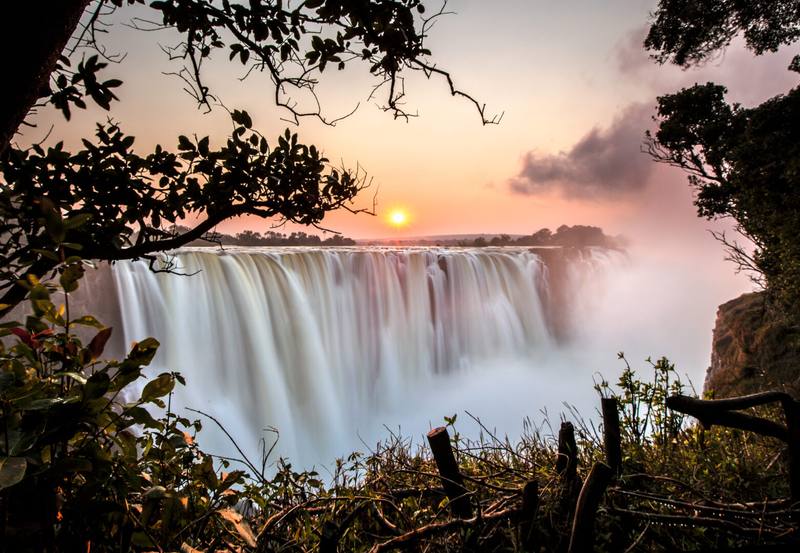
Victoria Falls With Kids: Zambia or Zimbabwe, and When to Go
Victoria Falls with children: which side to choose, Zambia or Zimbabwe, when to go for the best view, Devil's Pool age rules and what's worth doing. A specialist's family guide.

How far ahead should you book an African family safari? My planning calendar
A country-by-country planning calendar, plus what to do if you think you have left it too late.
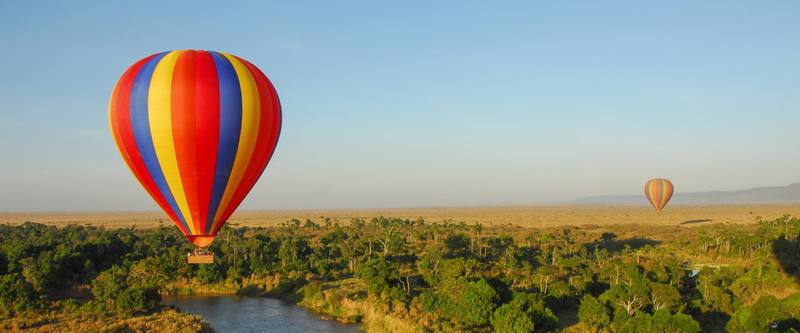
The best month to travel to… A Journey South guide to timing your African family adventure
Wondering when to go on safari? Our month-by-month guide covers the best time to visit 10 African countries
Ready to start planning your holiday?
A free, no-obligation consultation call with Polly — talk through ideas, dates and budget.