
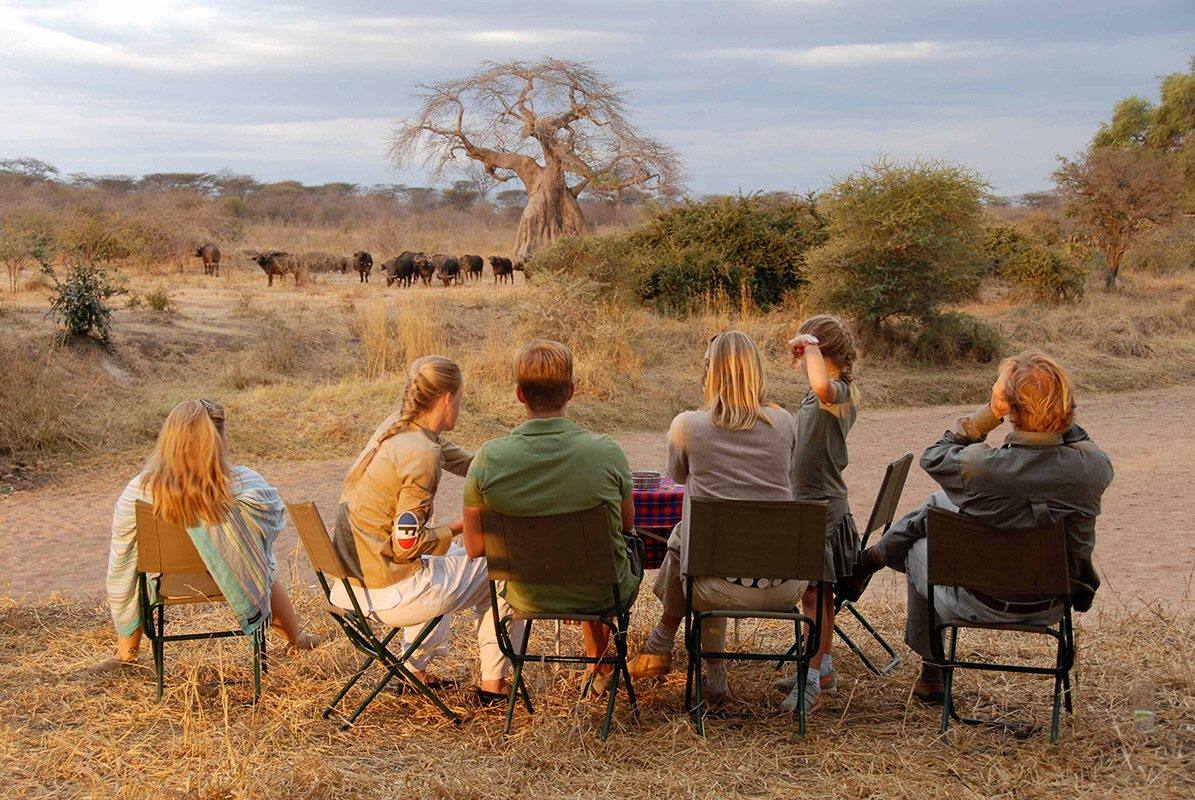
The best family safaris in Africa: An honest, age-by-age guide
Every week a parent writes to me asking the same thing: "Where is the best safari for kids?"
It's the right instinct and slightly the wrong question. After sixteen years living in Cape Town and planning trips for families across ten African countries, I've learned that there is no single best family safari. There's only the safari that fits your family: your children's ages, your appetite for the wild, and how you actually like to travel together.
So this isn't a ranked list of famous parks. It's the honest version; what works at each age, where it works, and the handful of situations where I'll gently suggest you wait a year or two.
Start with your family, not the map
Most safari planning goes wrong in the same way: it starts with a bucket-list destination and tries to bend the children to fit it. I work the other way round. Tell me who's coming, their ages, what lights them up, what tips them over the edge by 5pm, and the map more or less draws itself.
A trip built around a four-year-old and a trip built around two teenagers can visit the same country and look nothing alike. One needs a pool, a fence, short drives and a flexible kitchen. The other needs a canoe, a challenge, and to be treated like the near-adult they're desperate to be. Getting that fit right is the whole game.
Family safaris age by age
Babies and under-fives
Young children can safari but the setting has to do the work for them.
What works: malaria-free reserves, fenced or semi-fenced lodges, and properties where the wildlife comes to you so you're not tied to long drives. Short game outings, a proper midday rest, and a kitchen happy to feed small people at 5pm rather than 8pm.
What to skip: long, bumpy transfers, shared vehicles you can't cut short, and remote camps hours from a clinic.
Where I'd send you: malaria-free corners of South Africa, the Eastern Cape reserves and the Waterberg, where you can self-drive or be lightly guided, medical care is close, and nobody minds a toddler's timetable. This is the gentlest possible introduction to Africa, and often the trip that hooks a family for life.
Ages five to eight
The window opens. Children this age remember the trip, ask brilliant questions, and can manage a real safari day if you protect the pace.
What works: a private vehicle so you set the rhythm, short transfers, lodges with space to run and a pool to burn off energy, and pairing safari with a beach. My favourite formula for this age is a few nights of wildlife followed by warm ocean, the beach becomes the reward that makes the early mornings worth it.
What to skip: ambitious multi-country routes and long road days that eat the goodwill you're trying to build.
Where I'd send you: South Africa for ease, Kenya's private conservancies for flexibility, or a South Africa–Mozambique safari-and-sea combination that lets everyone decompress on an Indian Ocean beach.
Ages nine to twelve, the sweet spot
If you asked me to name the golden age for a family safari, this is it. Children are old enough to walk, track, and understand what they're seeing, and young enough to be completely swept up in it. This is where "beyond the Big Five" comes alive — the moments that stay with a family are rarely just the lion sighting. They're learning to read tracks with a guide, sitting with a Maasai or San family, releasing a rehabilitated animal, paddling a mokoro through the reeds.
What works: classic wildlife country, guides who love teaching, a walking safari in a controlled setting, and real cultural and conservation experiences woven in. Above all, a pace with room to breathe.
What to skip: the temptation to cram. The single most common regret at this age is trying to do too much.
Where I'd send you: Kenya (the Mara conservancies, Laikipia), Tanzania's northern circuit paired with Zanzibar, Botswana for water and wildlife, or Namibia for wide-open adventure and stargazing.
Teenagers
Teenagers don't want a "kids' programme." They want agency, immersion and a challenge, and when you give them that, they're often the most engaged travellers in the family.
What works: bringing them into the planning, more adventurous styles of safari, activities with a bit of edge like canoeing, walking, diving, tracking or a hands-on conservation project, and being honest with them about safety and responsibility rather than managing them.
What to skip: over-curated family itineraries, and dragging a disengaged teenager along without buy-in. Give them a reason to care and they'll surprise you.
Where I'd send you: Zambia and Zimbabwe for walking safaris and Victoria Falls, Botswana for immersive wilderness, Mozambique for diving and marine adventure, or the gorillas and chimps of Rwanda and Uganda for older teens (trekking has a minimum age of 15).
Beyond the Big Five
I'll say it plainly because it's the heart of how I plan: the best family trips in Africa are not measured in animal sightings. Children remember how a place made them feel — the pride of spotting a leopard themselves, the friend they made at a village school, the night they slept out under more stars than they knew existed. Wildlife is the headline. Connection is the story. I build every itinerary so the moments that spark curiosity and a lifelong love of adventure are baked in, not left to chance.
When to go: timing is everything
There's no single best time to visit Africa — only the best time for the experience you're after. The Great Migration river crossings peak in the Mara around July and August. Southern Africa's dry season (roughly May to October) concentrates wildlife around water and makes for easier viewing with children. The green season brings newborn animals, dramatic skies, fewer people and better value. Because we plan around your school holidays, part of my job is matching your dates to the destination where that month genuinely shines — so you're never in the right country at the wrong time.
The honest bit: when I'll tell you to wait
I'd rather plan the right trip next year than the wrong one now. I'll gently suggest waiting if a child truly can't yet sit still and follow a guide's instructions, if the budget only stretches by cutting the corners that keep everyone safe and comfortable, or if what you're really picturing is a busy resort holiday rather than the quiet, early-morning rhythm of safari. Africa isn't going anywhere, and the family that arrives ready has an immeasurably better time.
A note on safety and cost
Well-run lodges have clear rules, stay seated on drives, walk with an escort after dark and children who can follow them are safe. The risks families underestimate are rarely the animals; they're long transfers, heat, dehydration and fatigue, all of which come down to sensible pacing and route design. On malaria, some families choose malaria-free regions with young children while others travel safely in malaria areas with proper precautions and a travel doctor's advice. Both are valid. On cost, I'm always transparent about what's included and what isn't (internal flights, park fees, private vehicles and tips add up), because a stretched budget is stressful, and stress is the enemy of a good holiday.
How I plan your family's trip
Everything starts with a no-obligation call — a conversation about who's coming, your dates and your budget. From there I share tailored options within a few days and fine-tune until you're completely happy, confirm every booking myself, and hand you a digital Journey Book with everything in one place. Then I'm on the end of the phone throughout, 24/7, from your first pre-departure question to your last African sunset. I only take on a few families a month, on purpose — it's the only way to plan trips this personally.
Family safari FAQs
What's the best age for an African family safari? For most families, nine to twelve is the sweet spot; old enough to walk, track and truly engage, young enough to be enchanted. Younger children can have a wonderful time in the right malaria-free, easy-going setting, and teenagers thrive when the trip gives them real adventure and a say in the planning.
Which African country is best for a family safari? South Africa is the easiest first safari, especially with young children and its malaria-free reserves. Kenya offers unbeatable flexibility in its private conservancies. Namibia is made for adventurous road-tripping families, and Botswana, Zambia and Zimbabwe reward older children and teens with wilder, more immersive experiences.
Is a family safari safe with children? Yes, when the lodges, vehicle set-up and pacing suit your children's ages. Problems almost always come from poor planning rather than the wildlife itself, which is exactly what a specialist is for.
Should we combine safari with a beach? Very often, yes. A few days of warm ocean after safari lets children decompress and turns early mornings into a fair trade. Zanzibar, the Mozambican coast and the Cape all pair beautifully with a bush leg.
How far ahead should we book? The best family lodges and private guides book out six to twelve months in advance, especially over school holidays and peak migration season. The earlier we start, the more of the right places I can hold for you.
Let's plan your family adventure
If this has helped you picture it, the next step is simple: a free consultation call with me. We'll talk through ideas, ages, dates and budget, with no obligation and no hard sell. You can also read what other families say or plan by your children's ages.
More from the journal
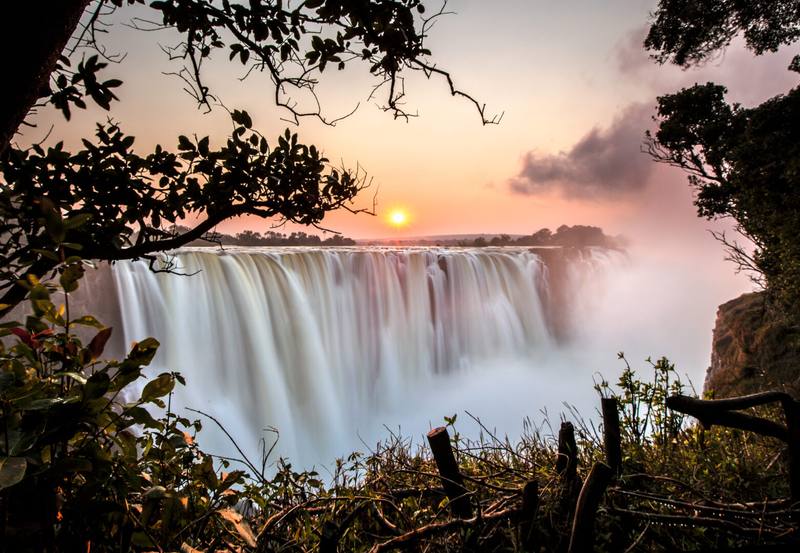
Victoria Falls With Kids: Zambia or Zimbabwe, and When to Go
Victoria Falls with children: which side to choose, Zambia or Zimbabwe, when to go for the best view, Devil's Pool age rules and what's worth doing. A specialist's family guide.
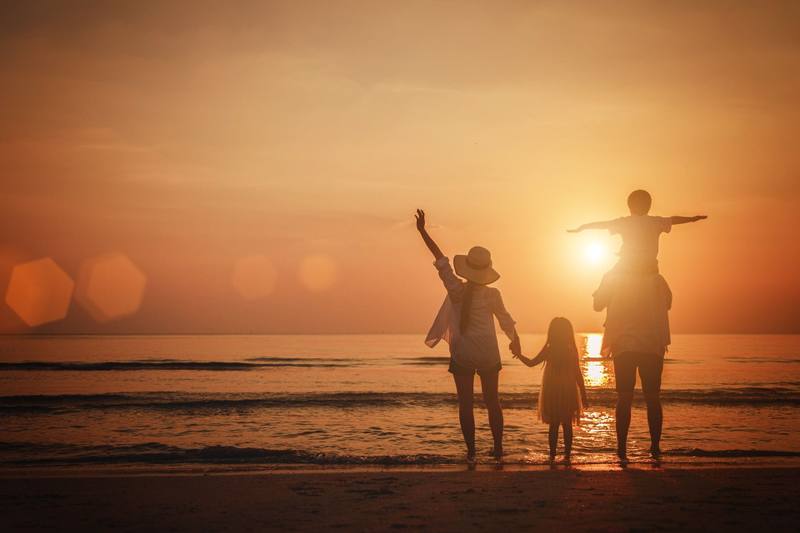
How far ahead should you book an African family safari? My planning calendar
A country-by-country planning calendar, plus what to do if you think you have left it too late.
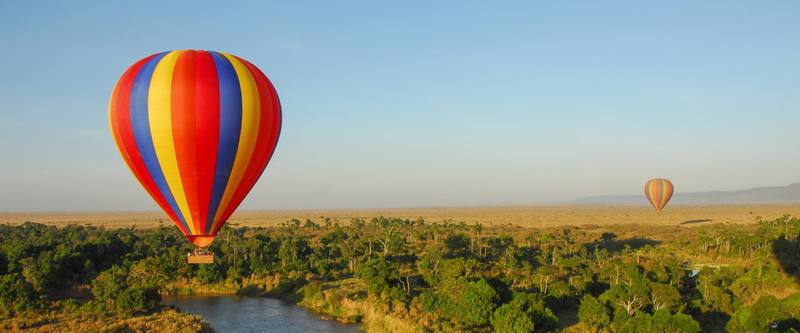
The best month to travel to… A Journey South guide to timing your African family adventure
Wondering when to go on safari? Our month-by-month guide covers the best time to visit 10 African countries
Ready to start planning your holiday?
A free, no-obligation consultation call with Polly — talk through ideas, dates and budget.