
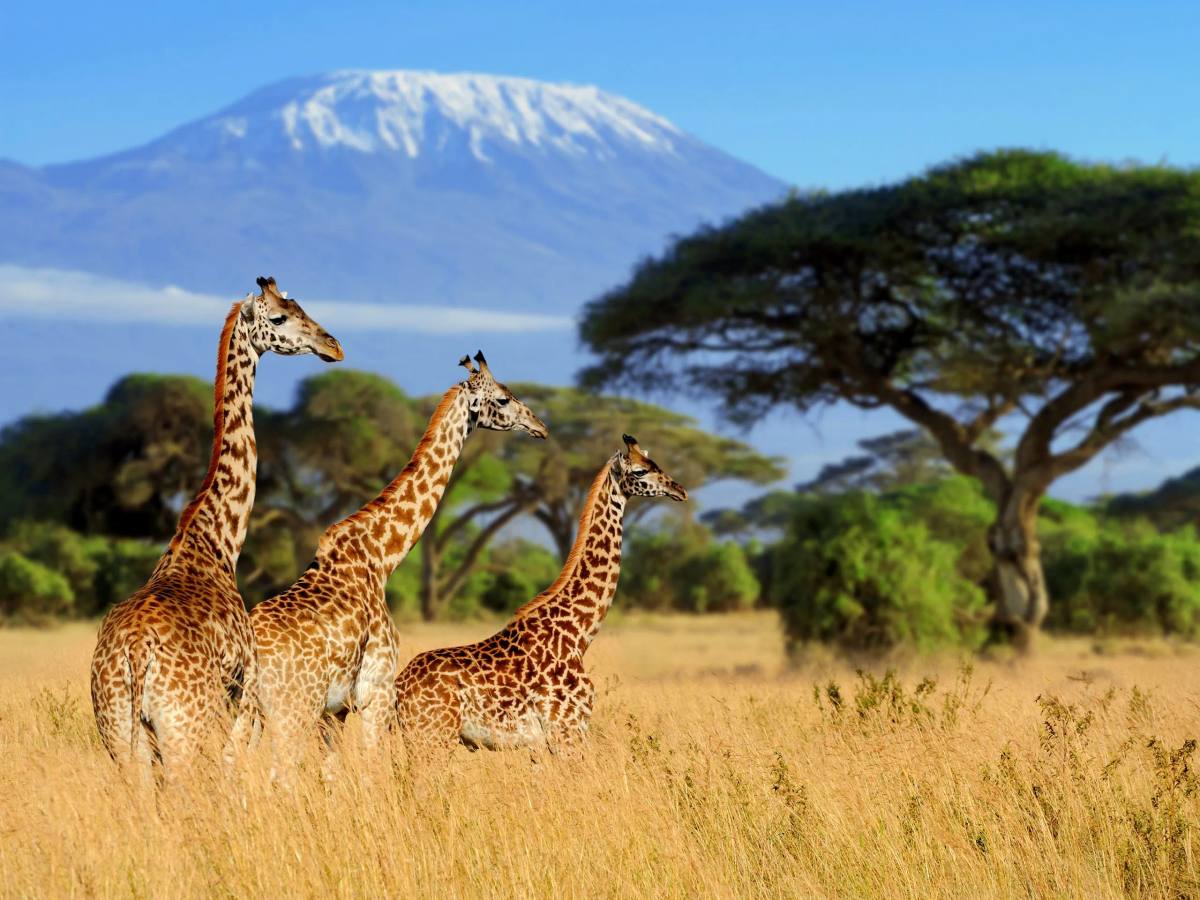
What age is best for a safari?
What age is best for a safari?
"We'd love to take the children, but are they too young?" It's a question I'm often asked, usually from a parent staring at a school-holiday window and wondering whether they've missed the boat or jumped the gun. After sixteen years planning family trips across Africa and dragging my two children through a fair few of them my honest answer tends to surprise people: there isn't a single best age. There's a best trip for whatever age your children happen to be.
That distinction matters, because the "wait until they're older" advice you'll read on forums assumes every safari is the same safari. It isn't. A family with a two-year-old and a family with two teenagers can both have a wonderful time in Africa, they just shouldn't be booked into the same camp, the same reserve, or the same daily rhythm.
So rather than tell you to wait, let me walk you through what each age actually offers, what to watch for, and the handful of things that matter far more than the number of candles on your child's next birthday cake.
The quick answer, by age
Here's how I'd summarise it before we get into the detail. Please treat this as a starting point rather than a rulebook as plenty of families happily break these patterns and still have a great time!
With babies and toddlers (0–4), lean on malaria-free reserves, private houses and flexible, unscheduled days. The thing to watch is that long game drives test tiny attention spans, and many camps set minimum ages, so it's lovely as long as you choose a private, family-first base and keep expectations gentle.
At five to seven, children bring huge enthusiasm for animals and do well with short drives and hands-on activities. They still tire quickly, and the heat and early starts need managing, but this is a real sweet spot for wonder, they'll talk about it for years. Access to a pool for daytime fun is a must!
Eight to twelve is the easiest age to plan around. They engage genuinely, manage longer drives, enjoy guiding programmes, and face almost no camp restrictions. If you're asking "when?", this is the window I'd aim for.
Teenagers (13+) are ready for walking safaris, photography, conservation projects and adult-level activities. The only real challenge is keeping them off their screens and properly engaged. My recommendation is to treat them as young adults and they rise to it.
What matters more than age
Before you fixate on whether five is too young or fifteen is too late, four things will probably shape your trip more than your children's ages.
Camp minimum ages and family set-ups. This is perhaps the more relevant constraint rather than the children's ages. Many properties set minimum ages for game drives (commonly six, eight, or twelve) largely because a shared vehicle with strangers is no place for a restless toddler at 6am. But a growing number of camps are built for families: private vehicles, family units or houses, flexible mealtimes, and childminding so parents can slip out for a dawn drive. Choose one of those and most age "rules" fall away.
Malaria. For families with young children, this is often the deciding factor, and happily it's an easy one to solve. Several superb reserves are malaria-free, much of South Africa's Eastern Cape, the Waterberg, and Madikwe among them, which means big-game country without the antimalarials.
The rhythm of the day. Classic safari runs on early mornings and long afternoons in a vehicle. Younger children thrive when you loosen that: a shorter morning drive, a swim and a nap in the heat of the day, something hands-on before dinner. The camps that do families well build their day around exactly this, and it's the difference between a holiday and an endurance test.
Flights and distance. Long-haul with a baby is doable; long-haul with a baby and several small internal flights to a remote camp is a lot. For the youngest ages I often steer families toward reserves reachable by a single flight and a short road transfer, saving the multi-hop itineraries for when everyone can carry their own bag.
Age by age, in a little more detail
Babies and toddlers (0–4). I won't pretend a two-year-old will remember the elephants, but you will, and there's real joy in that. The trick is a private base: a house or family camp where the day bends around nap times, where you're not beholden to a group vehicle, and where a childminder can step in. Keep the itinerary short and malaria-free, and it can be one of the most relaxed family holidays you'll take. Manage your own expectations on game viewing; some days the highlight is a warthog by the pool, and that's fine.
Little ones (5–7). This is where the magic starts to show on their faces. Children this age are endlessly enthusiastic about animals, and good guides know exactly how to hold them; tracking prints, spotting from the vehicle, a junior ranger badge to earn. Drives should be short and the pace forgiving; the early starts and midday heat are the main things to plan around. Get it right and they'll be telling the story for years.
The easy years (8–12). If a family asks me to name the least complicated age to take on safari, it's this one. They can manage longer drives, they genuinely engage with what they're seeing, they're old enough for most guiding and tracking programmes, and very few camps place restrictions on them. If you're free to choose your timing around school and work, this is the window I'd aim for.
Teenagers (13+). Don't write teenagers off as too cool for it, treat them as young adults and they almost always surprise you. This is the age for walking safaris, photographic hides, conservation and research days, and the sort of after-dark tracking that younger siblings can't join. Give them a camera, a project, or a genuinely grown-up activity, and the phone tends to stay in the bag. Multi-generational trips lean on this beautifully, too.
Frequently asked questions
What is the minimum age for a safari? There's no universal minimum, it depends entirely on the camp. Many properties allow children of all ages when you book a private vehicle or a family unit, while shared-vehicle game drives often start at six, eight, or twelve. If you have very young children, the answer is to choose a family-first camp rather than to wait.
Is a safari safe for babies and toddlers? Yes, with the right choices. Stick to malaria-free reserves, pick a private house or family camp with flexible days and childminding, and keep travel time down. The risks people worry about are almost always managed by where and how you go, not by age itself.
What about malaria with young children? The simplest route is a malaria-free reserve — South Africa's Eastern Cape, the Waterberg and Madikwe are all excellent options with big game and no antimalarials. If you want a malaria-area destination, it's a matter of travelling in the right season and taking proper precautions, which I'll always talk through honestly for your family's ages.
Is my child too old to enjoy a family safari? Never. Teenagers (I've got one of them myself) often get the most out of Africa of anyone in the family, because they can do the walking safaris, photography and conservation work that younger children can't. The activities simply scale up with age.
How long should our first safari be? For younger children, I recommend three nights in one place. Older children and teens can happily manage longer, more varied itineraries.
So, what age is best?
The truthful answer is the age your children are now, provided the trip is built around them rather than around a brochure. I've seen four-year-olds enchanted and fifteen-year-olds transformed, and I've seen well-meaning families book the wrong camp for the right child and come home tired. The number matters far less than the choices around it: a family-first camp, a sensible rhythm, the right reserve for your peace of mind.
If you tell me your children's ages and roughly when you can travel, I can tell you exactly which reserves and camps will suit and, just as usefully, which ones I'd steer you away from for now.
More from the journal
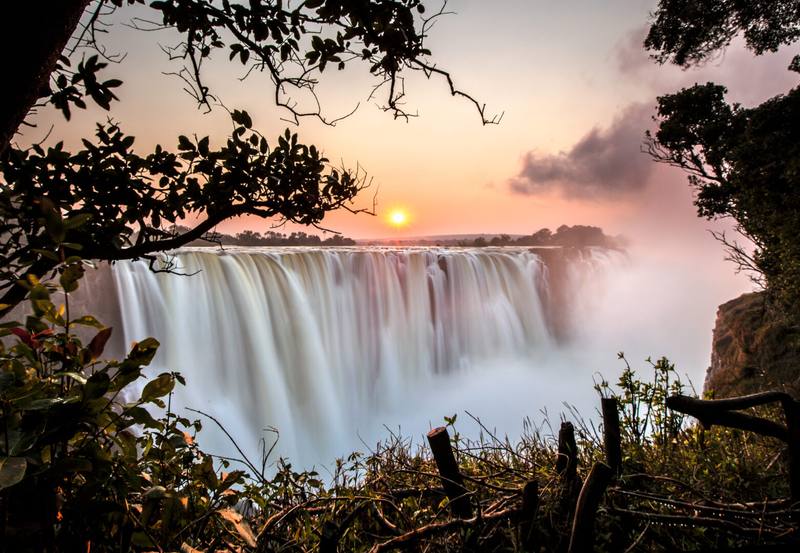
Victoria Falls With Kids: Zambia or Zimbabwe, and When to Go
Victoria Falls with children: which side to choose, Zambia or Zimbabwe, when to go for the best view, Devil's Pool age rules and what's worth doing. A specialist's family guide.
How far ahead should you book an African family safari? My planning calendar
A country-by-country planning calendar, plus what to do if you think you have left it too late.
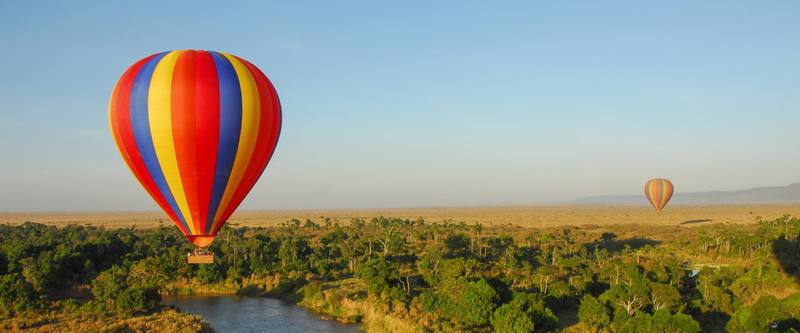
The best month to travel to… A Journey South guide to timing your African family adventure
Wondering when to go on safari? Our month-by-month guide covers the best time to visit 10 African countries
Ready to start planning your holiday?
A free, no-obligation consultation call with Polly — talk through ideas, dates and budget.