
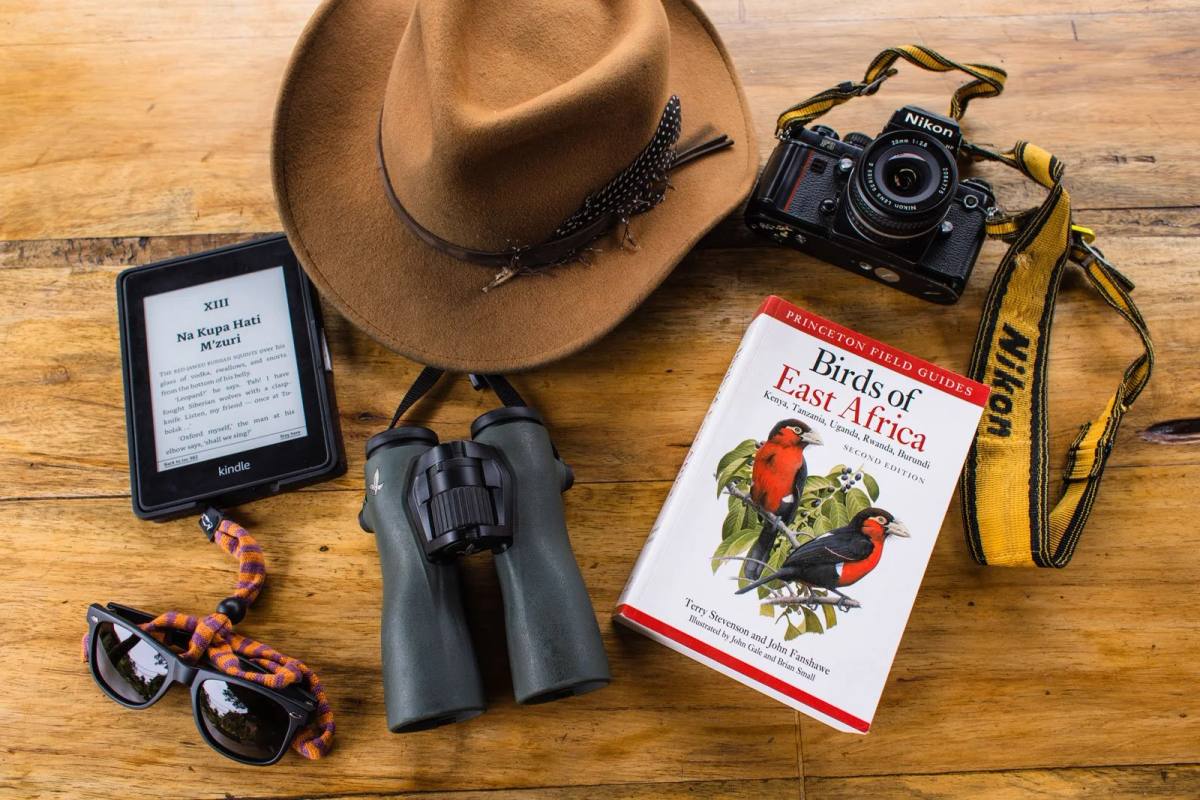
What to pack for an African family safari.
I've packed for family safaris in the Okavango Delta in August cold and the Serengeti in February heat. I've watched parents arrive at Sabi Sands in fluorescent clothing because nobody told them the rules. I've seen children melt down because a forgotten item turned a game drive into a negotiation. After more than 20 trips, I've got a good handle on what you actually need, and what is just taking up space in your bag.
The #1 clothing rule
Safari clothing is about neutrals and layers, in that order. Neutral colours like khaki, olive, sand, grey matter because bright colours, especially white and blue, attract tsetse flies in some regions and visually clash with the surrounding flora and fauna.
Layers matter because the temperature swing in the bush is significant. In Botswana in June or July, it can be genuinely cold at 5am on an open vehicle — cold enough for a down jacket and gloves — and 30°C by midday. Pack for both within the same bag.
For adults: what I pack for myself
Tops: Three or four long-sleeve shirts in neutral colours. Long sleeves are not optional in mosquito territory, they're your primary physical barrier. Light merino wool is my preference because it doesn't smell after three days in the bush and works across a wide temperature range. One fleece or lightweight down jacket for early mornings.
Bottoms: Two pairs of trousers and two pairs of shorts. One pair of lightweight leggings for cold mornings if you get cold.
Footwear: Comfortable walking shoes or lightweight hiking boots. You won't be doing long hikes at most camps, but you will be walking on uneven ground in the dark. One pair of sandals for the lodge. Flip-flops for poolside.
Other: A wide-brimmed hat (a baseball cap leaves your neck exposed). Sunglasses. A lightweight scarf that doubles as a blanket on early drives. Swimwear, almost all lodges have a pool, and beach combinations obviously require it. A good book for the time between game drives, and often donated to the lodge library once finished.
What I don't bring: Anything that can't get dusty. White anything. Anything I'd be upset about losing to a curious vervet monkey!
For small kids: The specific things that matter
Children need most of what adults need, with a few nuances.
Layers for small bodies: Children lose heat faster than adults on open vehicles. Toddlers and small children need a proper fleece or down jacket, and if you're travelling in the Southern African winter (June–August), a hat with ear coverage and light gloves are not overcautious. I've seen parents underprepared on this, and a cold miserable child ends the game drive for the whole vehicle.
Their own small backpack for the game drive vehicle: Inside: a water bottle (the lodge will fill it), a snack from breakfast, sunscreen, and something quiet to do if a drive is running long between sightings. For younger children, a small pair of binoculars is transformational — it gives them agency and turns a distant elephant into something they've personally found.
Head torch: Camps are dark at night. Lodges provide torches but children feel better with their own. Get one each. They also become a source of entertainment after dinner.
Wet wipes and hand sanitiser: You'll have these anyway, but bring more than you think. Midday game drives don't always come back to running water.
A compact travel towel: For beaches, pools, and the unexpected situations that happen when you're travelling with children.
For bigger kids and teens
Their own camera or a telephoto lens for their phone — a clip-on zoom lens (Moment or similar) costs ~$50 and gives them a project. Teenagers who are photographing or videoing are engaged; teenagers who are watching can get bored.
Decent over-ear headphones: long transfers between camps can happen. Don't underestimate the value of leaving them alone with music.
A field guide or wildlife ID app: Get the Birda app. Give them the goal of logging every species. Competitive teenagers will take this seriously.
A proper head torch: They may stay up later and want to walk back to their room independently.
A journal: Not for every teenager, but worth packing for some. The right trip at the right age produces writing that surprises parents.
Books: Life slows down whilst on safari. It's a rare opportunity to put down the screen and pick up a book - even for a reluctant teen.
The health and safety kit
Which antimalarials to take is a question for your GP or a travel health clinic. The right choice depends on the destination, the ages of your children, and individual health history. But do have this conversation at least six weeks before departure.
What I put in my own family medical kit when we travel:
- Antihistamine (oral and topical — bee stings, mystery bites)
- Rehydration sachets (the altitude change and dry air dehydrate you faster than expected)
- A broad-spectrum insect repellent with DEET (I use a lower concentration for children and higher for adults)
- SPF 50 sunscreen (Africa sun is not Northern Hemisphere sun — the UV intensity is more intense)
- Basic first aid: plasters, antiseptic, paracetamol, Burnshield, bandages
- Any prescription medications
One specific note for families: tick bite fever is a risk in Southern Africa. Tuck trousers into socks on bush walks and check children (and yourselves) each evening.
Technology and charging
Safari lodges vary significantly on power. Remote camps in Botswana may have generator power for four hours a day and no mains electricity. Understand this before you travel, because if you have a CPAP machine or insulin that requires refrigeration, this is a critical conversation to have in advance.
For most families, the practical list is:
- A universal travel adapter
- A portable power bank for early morning drives when you want to photograph but the camera died overnight
- A memory card with a large capacity you will take more photos than you expect
On cameras: Phone cameras are genuinely good now, but if you have a DSLR or mirrorless camera with a long zoom lens, bring it. The difference between a 200mm and 400mm equivalent lens in a wildlife setting is significant. I would suggest that you don't buy a camera specifically for this trip unless you're going to use it afterwards. The lodge guides always know to get you close.
What to leave behind
- Anything with a strong perfume or scent. It attracts insects and disturbs animals.
- Flip flops as your primary footwear. The ground is uneven, the grass is long, and the puff adder doesn't care about your holiday look.
- Your entire wardrobe. Most lodges offer a laundry service. Four days of clothing is enough for a two-week safari if you use it.
One honest note on "safari clothing" brands
You don't need to buy a full outfit from a specialist safari brand to be appropriately dressed for the bush. Some of those ranges are excellent quality; some are expensive marketing. What matters is the colour and the layering principle. Decent hiking gear from a mainstream outdoor brand does the job entirely adequately.
If your family is doing multiple trips, the investment in a quality merino or technical layer is worth it. For a first trip? Spend the money on the photography.
More from the journal
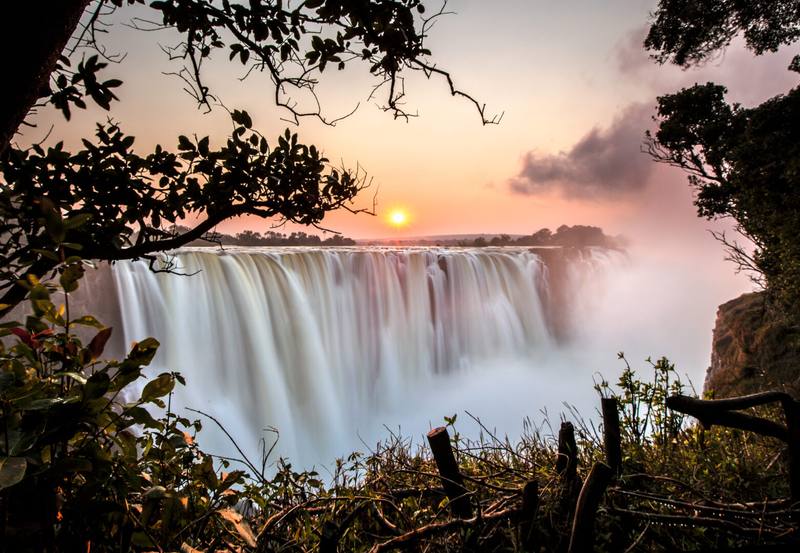
Victoria Falls With Kids: Zambia or Zimbabwe, and When to Go
Victoria Falls with children: which side to choose, Zambia or Zimbabwe, when to go for the best view, Devil's Pool age rules and what's worth doing. A specialist's family guide.
How far ahead should you book an African family safari? My planning calendar
A country-by-country planning calendar, plus what to do if you think you have left it too late.
The best month to travel to… A Journey South guide to timing your African family adventure
Wondering when to go on safari? Our month-by-month guide covers the best time to visit 10 African countries
Ready to start planning your holiday?
A free, no-obligation consultation call with Polly — talk through ideas, dates and budget.