
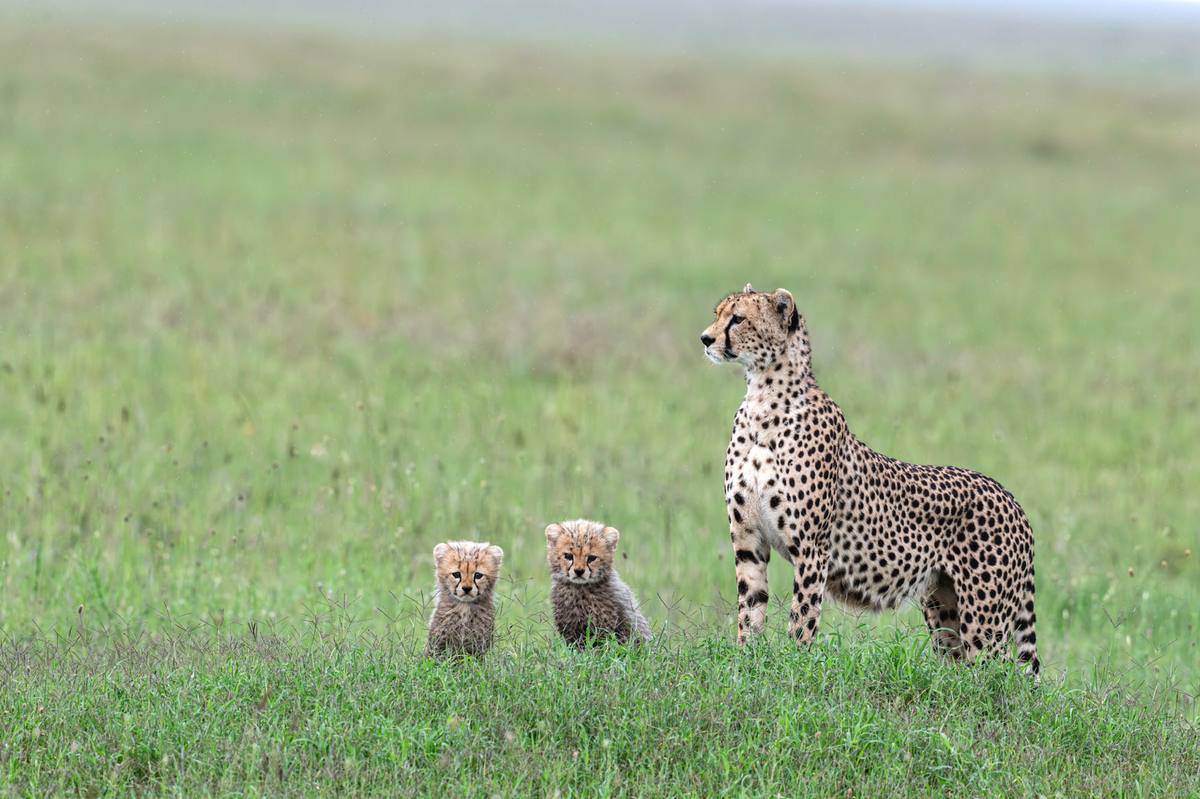
Where to see cheetahs in Africa
Why cheetahs are harder to find than you'd expect
Cheetahs look like they should be everywhere as they are one of Africa's most recognisable big cats; elegant, fast and endlessly photographed, but the total wild population sits somewhere between 6,500 and 7,000 and spread across a continent, that's not many. They're also territorial animals that cover vast distances, and unlike lions (which tend to sleep in very visible spots), cheetahs are often on the move. In dense bush, you can drive past one without ever knowing it was there. In the right habitat, though, with the right guide, sightings can be reliable. Open savanna grassland is where we'd point almost any family who puts cheetahs at the top of their list.
The best places to see cheetahs
1. THE MASAI MARA, KENYA
This is my first recommendation for most families. The Mara's rolling open grasslands are perfect cheetah habitat, long sightlines, relatively sparse tree cover, and resident cheetah families that guides know well and track. We've had families spend over an hour with a cheetah mother and her cubs watching them learn to hunt. It's not guaranteed, nothing in wildlife is, but the probability of a sighting over a four or five night stay is genuinely high.
Our favourite itinerary:
Kenya Safari and Coast (7–10 days)
Arrive into Nairobi and fly down to Amboseli for two nights; incredible elephant herds with Kilimanjaro in the background, and cheetahs are spotted here regularly. From there, fly up to one of the Mara conservancies (we love Mara North, Naboisho, and Olare Motorogi as they are quieter than the main reserve, with night drives permitted and guides who really know their resident cheetah families). Four or five nights here gives your child the best possible shot at that sighting. Families wanting a beach finish can hop over to the Kenya coast, either Watamu or Diani, for a few days of sea and sand before flying home.
Best time of year: July to October
2. THE SERENGETI, TANZANIA
The Serengeti covers 15,000 square kilometres, so where you stay within it matters almost as much as the destination itself. For cheetahs, the central Serengeti, particularly the Seronera Valley, is the most consistent area, with a resident population that researchers have been studying for decades. The southern plains around Ndutu are extraordinary from December to March, when the wildebeest calving season draws huge numbers of prey animals and the predators that follow them. Tanzania involves longer distances and slightly more complex logistics than Kenya, but it's one of the great wildlife destinations in the world and combines beautifully with a Zanzibar beach finale.
Our favourite itinerary:
Tanzania Safari and Zanzibar (10–14 days)
Fly into Kilimanjaro and spend two nights at Ngorongoro Crater — extraordinary predator density in the crater bowl, and a spectacle in itself. From there, fly into the central Serengeti for four nights, with the option of a bush flight up to the northern Serengeti if the Migration is in full swing. Finish with four or five nights in Zanzibar: beaches, spice tours, and Stone Town for the older children. This is a natural circuit that works well from around age seven or eight upwards.
Best time of year: June to October (central Serengeti); December to February (southern Serengeti calving)
3. NAMIBIA
Namibia doesn't always come up first in a cheetah conversation, but it should. Around a third of the world's wild cheetah population lives here, making it the most important cheetah country on earth. Etosha National Park is particularly special because it's a brilliant self-drive destination: the park centres on a vast salt pan, and sightings happen around the permanent waterholes. You park up, switch off the engine, and wait. Cheetah, lion, leopard, elephant, and black rhino all come to drink. It's slow, quiet wildlife watching, completely different in feel from a guided East Africa safari, but magical in its own way. Some lodges also partner with the Cheetah Conservation Fund, which can add a really meaningful layer to a visit, especially for children who care about the animals they're watching.
Our favourite itinerary:
Namibia Highlights (12–16 days)
Start in Cape Town for a few days before flying to Windhoek. Head north to Etosha for four nights of self-drive waterhole watching — kids old enough to help navigate a map absolutely love being part of the game-spotting process here. Continue into Damaraland, where boulder-strewn landscapes feel like another planet and there are desert-adapted elephant and rhino to find. Head south to Swakopmund for some coastal time and desert adventures (e.g. sand boarding, quad biking), then finish in the Namib Naukluft for the famous Sossusvlei dunes. An extraordinary, varied trip that's about far more than just the wildlife.
Best time of year: May to October
What about South Africa?
South Africa is where many families start because it's the most accessible; direct flights, no malaria in most safari areas, excellent infrastructure. I plan many South Africa family trips every year. But if cheetahs are the main event the Kruger's vegetation is dense and cheetah sightings are relatively rare. The private reserves bordering Kruger are exceptional for leopard and lion, but cheetah sightings there are infrequent. The exception is Tswalu Kalahari in the Northern Cape, open Kalahari landscape, a strong resident cheetah population, and reliable sightings, though it sits at the premium end of the price range. Our general guidance: plan a South Africa trip around what the country does brilliantly and treat a cheetah sighting as a wonderful bonus, rather than the centrepiece.
How to give your child the best possible chance
A few things that will make a difference: stay longer (five nights gives you ten game drives, and cheetah sightings compound with time), choose a conservancy guide who knows the resident cheetah families personally, and prioritise the morning game drive; cheetahs hunt in daylight, early, and the morning is when they're most active. Most importantly, choose open habitat. Dense bush makes sightings almost impossible regardless of how many cheetahs are technically in the area.
Where to start
If you've arrived here because your child is obsessed with cheetahs, you're already in the right frame of mind for a great trip. The three things that help us pull together an itinerary quickly: the ages of your children, a rough sense of your budget, and whether anything else is pulling you toward a particular part of Africa. Drop me an email at polly@journeysouth.travel or start the conversation using the trip builder on our Plan Your Trip page — I'd love to help you find those cheetahs!
More from the journal
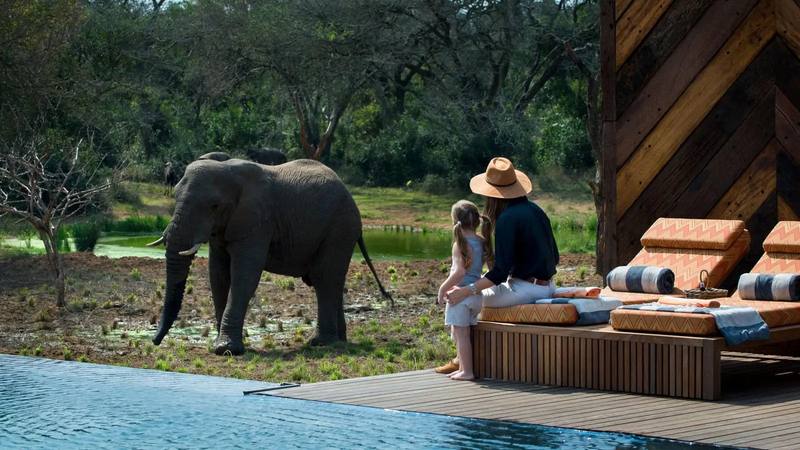
Bring everyone: how to plan a multi-generational family trip to Africa
How I plan trips for three generations: leaving space in the agenda, pacing for the oldest and youngest, and where in Africa works best for grandparents and children.
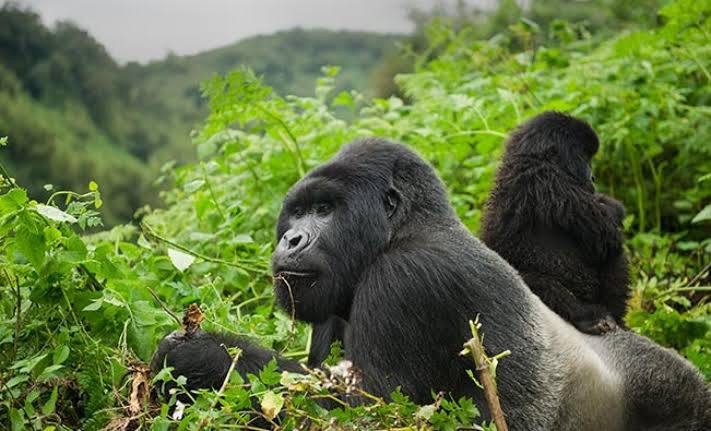
Gorilla trekking with children: the age rule, and how to plan around it
The minimum age for gorilla trekking is 15. Here is how I plan around it: Rwanda or Uganda, options for younger siblings, and when to book.
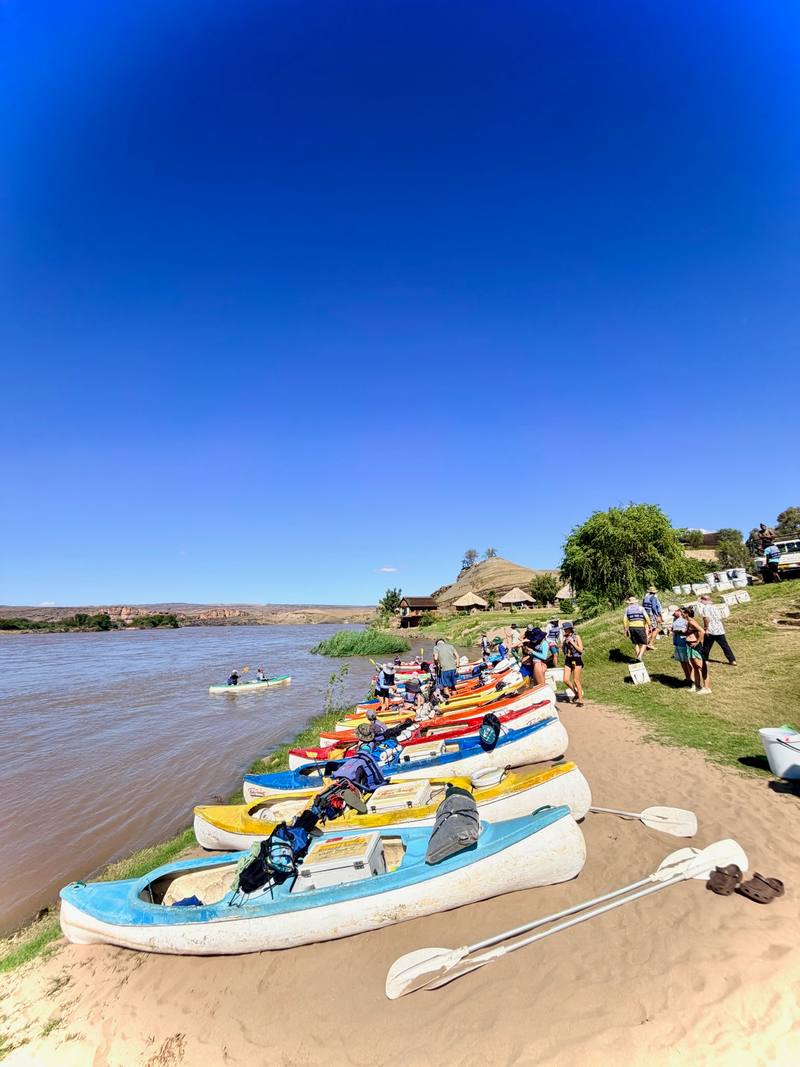
Rafting the Orange River with children: four days, eight families, no signal
A first-hand account of a four-day Orange River rafting trip with eight families: the drive from Cape Town, life on the river, and which families it suits.
Ready to start planning your holiday?
A free, no-obligation consultation call with Polly — talk through ideas, dates and budget.