

Where your family holiday makes a difference: five places that give back

Some of Europe's best-loved destinations are now struggling under the number of visitors they receive. Residents protest, cities cap numbers, and the holiday itself becomes harder to enjoy.
It has changed the question many families ask me. They still want sunshine, space and adventure, but they also want to know where their visit helps. Children and teenagers in particular are more aware of the environment, and of the gap between their lives and other people's, than many of us were at their age. They are curious about how to give something back.
Africa has some of the best answers to that question. Many of the lodges I recommend are independent or owner-run. Your stay pays directly for conservation, schooling or local jobs, and children can see that work for themselves rather than hearing about it.
How I choose places with purpose
When I look at a lodge through this lens, I ask four things:
- Who owns it, and who benefits? Community-owned and owner-run lodges tend to keep more of each stay local.
- Is the conservation work specific? A named project, a measurable outcome and a team you can meet count for more than a general statement.
- Can children take part? The best places give children a small, real role, not just a talk.
- Does it still work as a family holiday? Purpose matters, but so do a pool on a hot afternoon, a private vehicle and a guide who is good with children.
These five places meet all four.
Kwandwe, South Africa
Best for: families with young children, including under-fives
Best time to go: all year
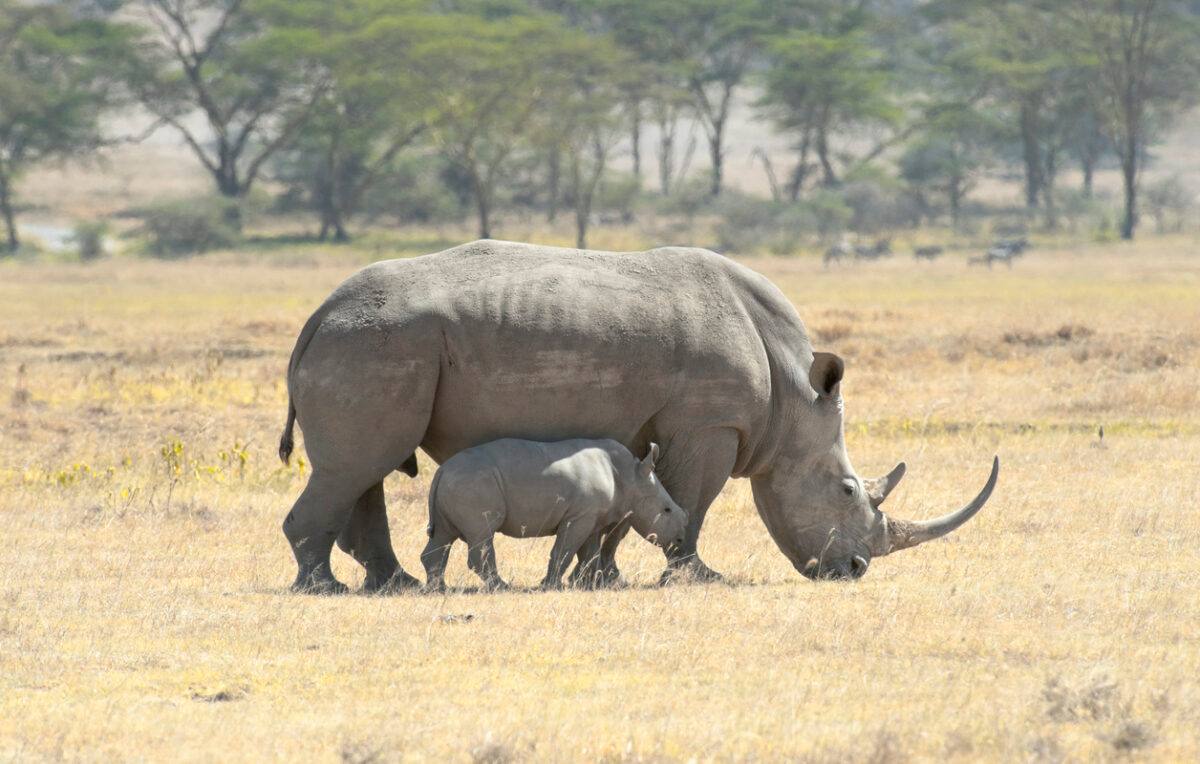
Kwandwe, in South Africa's Eastern Cape, was once worn-out farmland. Over the past three decades it has been restored to around 30,000 hectares of wilderness, home again to elephant, rhino, lion and much more.
It is malaria-free, which makes it one of the easiest places for a first family safari. At Ecca Lodge, each family suite comes with its own vehicle, ranger and tracker, so game drives can run at a child's pace. First-aid-trained childminders are available at no extra cost.
Every stay supports the Ubunye Foundation, which works with the communities in and around the reserve. Children can join in quite directly: through the "Knit a Bit" programme, they knit squares that are sewn into blankets and given to local families. Alongside game drives, children can learn to read animal tracks, fish and explore the bush with rangers who are used to young guests.
Children leave Kwandwe understanding that a wild place can be brought back, and that it takes people to do it.
Wolwedans, Namibia
Best for: families with children aged eight and over
Best time to go: May to November
Wolwedans sits within the NamibRand Nature Reserve in southern Namibia, a vast private reserve of red dunes, gravel plains and mountains.
Its purpose lies in its people. The Wolwedans Foundation trains young Namibians in hospitality and cooking through its Desert Academy, and some of the team you meet during your stay are trainees. Families can visit Wolwedans Village, the working heart of the camps, to meet the team and see how a lodge runs sustainably in the desert.
Activities include horse riding, e-biking, scenic drives and walks, and hot air balloon flights over the dunes. It is a good place for children to see what it means to live lightly in a fragile environment.
Namibia involves long distances, so I suggest it for families with children of around eight and over. I also recommend flying between areas where possible, rather than driving.
Sarara, Kenya
Best for: families with children aged five and over, especially older children and teenagers
Best time to go: most of the year, avoiding the long rains in April and May
Sarara Camp lies in the Namunyak Wildlife Conservancy in northern Kenya, on the slopes of the Mathews Range. It is wholly owned by the Samburu community. The conservancy itself was set up in 1995 on the vision of Samburu elders, and elephants have since returned to the area in large numbers.
A stay at Sarara supports the Reteti Elephant Sanctuary, the first community-owned elephant sanctuary in Africa, where orphaned calves are cared for and returned to the wild. It also funds preschools across the conservancy.
Samburu guides lead walks, game drives and horse rides from the camp's stables, and explain the land and its wildlife from the perspective of the people who have lived alongside it for generations. Families can swim in rock pools and spend evenings by the fire.
Sarara welcomes children of all ages, but I suggest it from around five, and it particularly suits older children and teenagers. It is in a malaria area, so I suggest parents speak to their travel clinic before going.
Pemba, Tanzania
Best for: families with confident swimmers and keen snorkellers
Best time to go: June to March, avoiding the long rains in April and May
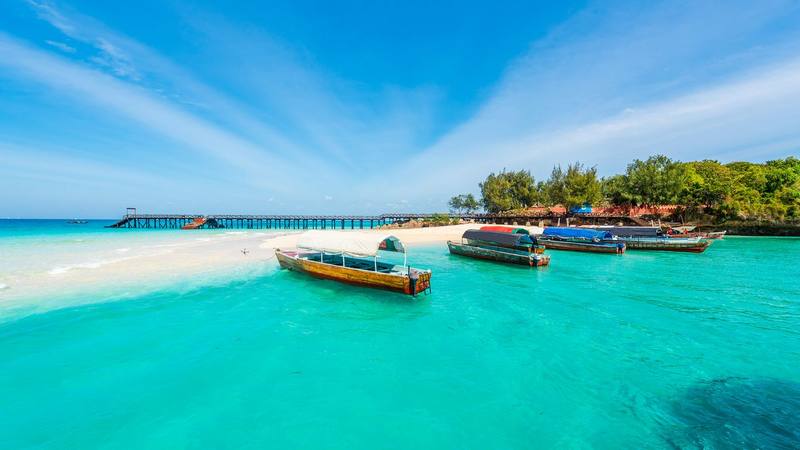
For families who would like to end a safari by the sea, Pemba Island, north of Zanzibar, is where I would suggest looking. I spent time there recently, and it is far quieter and less developed than its better-known neighbour.
The Manta Resort sits within the Pemba Channel Conservation Area, a protected stretch of sea managed with the conservation organisation Blue Alliance. Local rangers, many of them women, patrol the reef and protect turtle nests. Proceeds from the resort's Underwater Room help fund that work.
There is a guided snorkel every morning at seven on a reef full of life, and children quickly see the difference that protection makes.
Alphonse Island, Seychelles
Best for: families with older children who love the water
Best time to go: September to May, with the calmest weather in March and April and November and December
For families happy to travel beyond mainland Africa, Alphonse Island is a remote atoll in the outer Seychelles with a single lodge run by Blue Safari Seychelles.
A daily conservation levy funds the island's research and conservation work: protecting bird colonies and turtle nesting sites, monitoring coral and fish, and tagging sharks and manta rays. The resident conservation team invites guests to join turtle patrols, measuring tracks and marking nests, and occasionally guiding hatchlings to the sea.
Children from eight can learn to scuba dive with their parents. There is also snorkelling, sailing, cycling, tennis and fly fishing.
What children take home
Children rarely remember the thread count. They remember the ranger who let them help, the calf being fed at the sanctuary, the turtle tracks on the sand at dawn. They come home a little more curious, more connected to the places they visited, and more aware that a holiday can leave a place better than it found it.
If you would like to plan a family trip with purpose at its heart, tell me who is travelling and I will suggest the places that suit your family.
Frequently asked questions
What is the best purpose-led safari for young children?
I suggest a malaria-free reserve in South Africa's Eastern Cape, such as Kwandwe. Family suites come with a private vehicle and ranger, and children can take part in the reserve's community projects.
Can children take part in conservation on safari?
Yes, at the right lodges. That might mean tracking with a ranger, knitting blankets for local families at Kwandwe, visiting an elephant sanctuary in Kenya, or joining a turtle patrol on an island. I look for places where children have a real role.
How do I know my stay supports the local community?
Ask who owns the lodge and what it funds. Community-owned camps such as Sarara, and lodges with a named foundation or training programme such as Wolwedans, are good signs.
What age is right for a purpose-led trip?
It depends on the place. Kwandwe works for all ages, Sarara suits children from around five, and I suggest Namibia from about eight because of the distances involved.
Are these trips more expensive?
Not necessarily. Prices reflect the lodge and season more than its purpose, and many community-owned camps compare well with conventional lodges. I can suggest options for different budgets.
More from the journal
Zanzibar or Pemba with children: two islands, two very different trips
Zanzibar has changed a good deal in recent years, and Pemba has barely changed at all. Here is how I would choose between them for a family, and where I suggest staying on each.
Is a safari safe for children? What I tell parents before they book
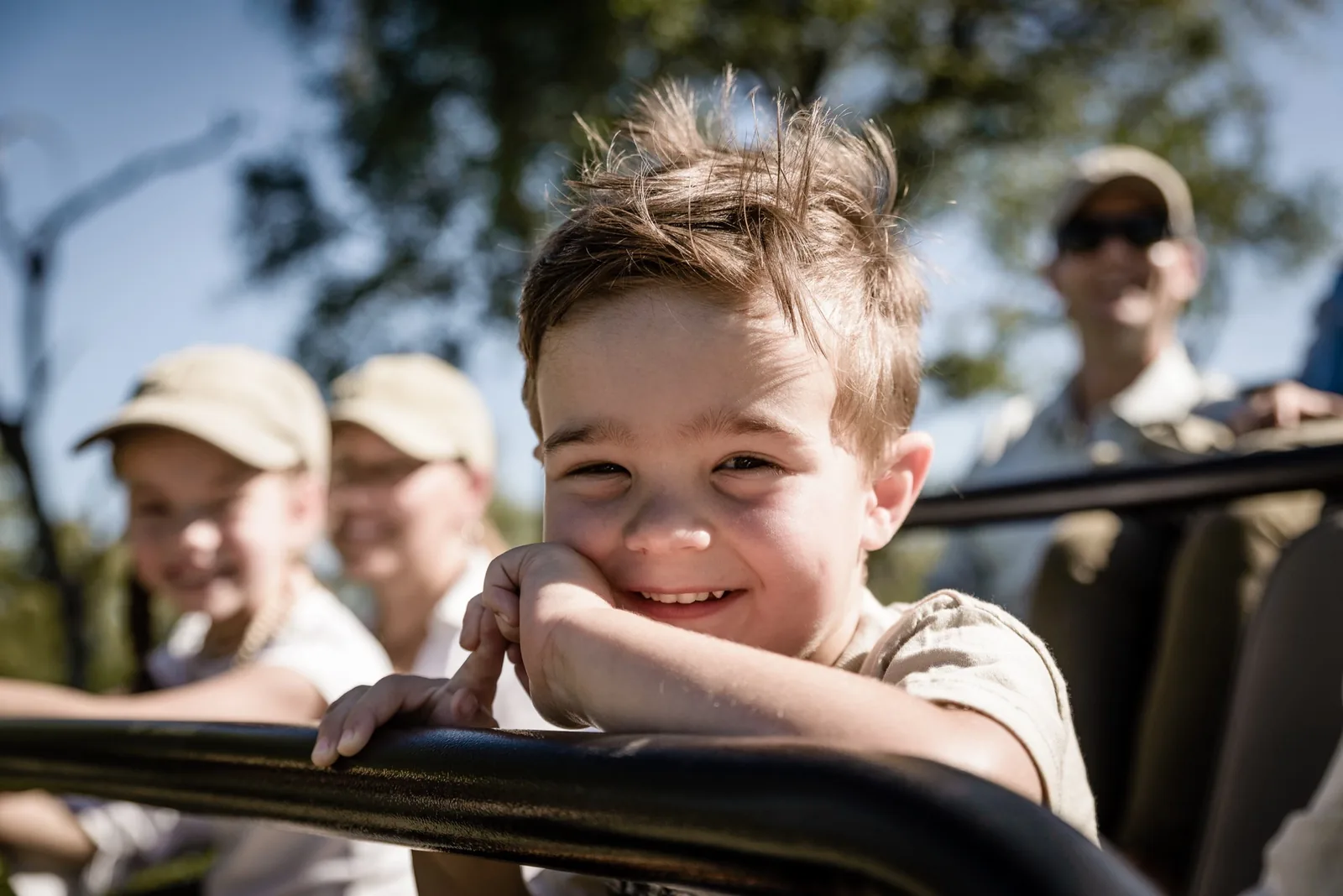
Yes, when the trip is built around their age. What I check for every family: wildlife rules, malaria, camps, medical cover and when it is worth waiting.
Bring everyone: how to plan a multi-generational family trip to Africa
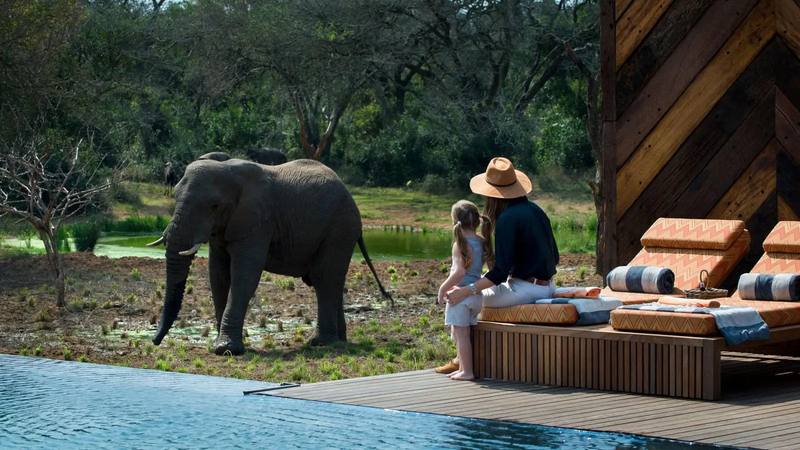
How I plan trips for three generations: leaving space in the agenda, pacing for the oldest and youngest, and where in Africa works best for grandparents and children.
Ready to start planning your holiday?
A free, no-obligation consultation call with Polly, talk through ideas, dates and budget.